

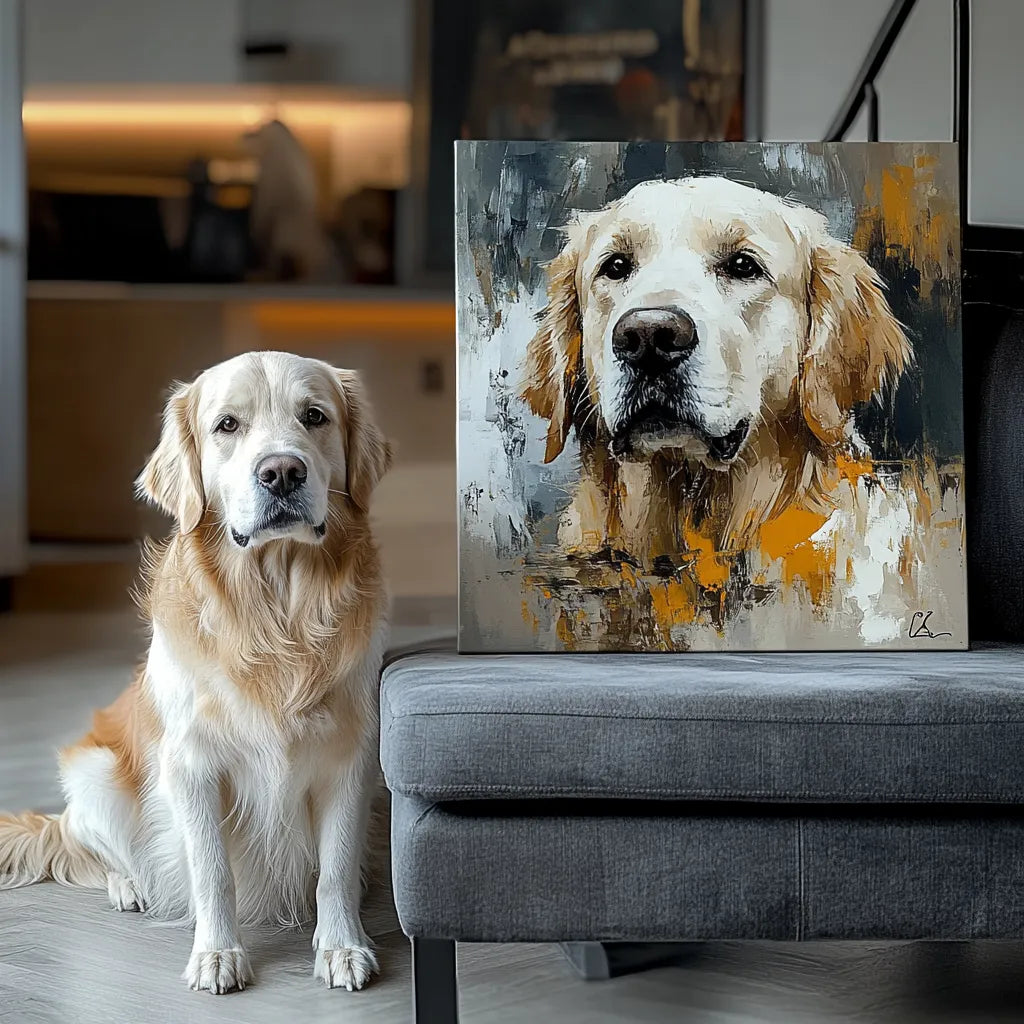
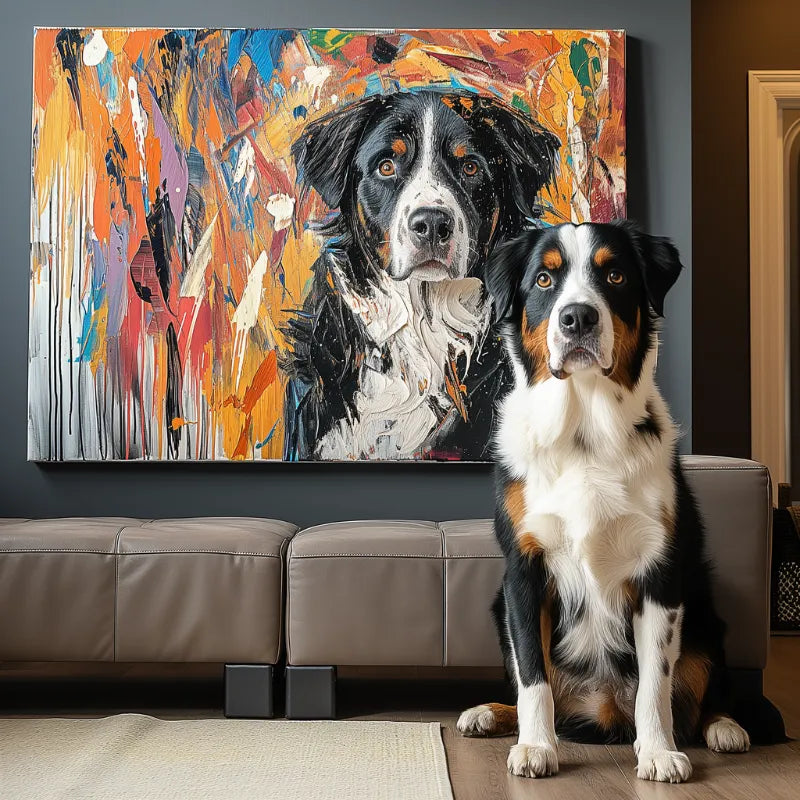

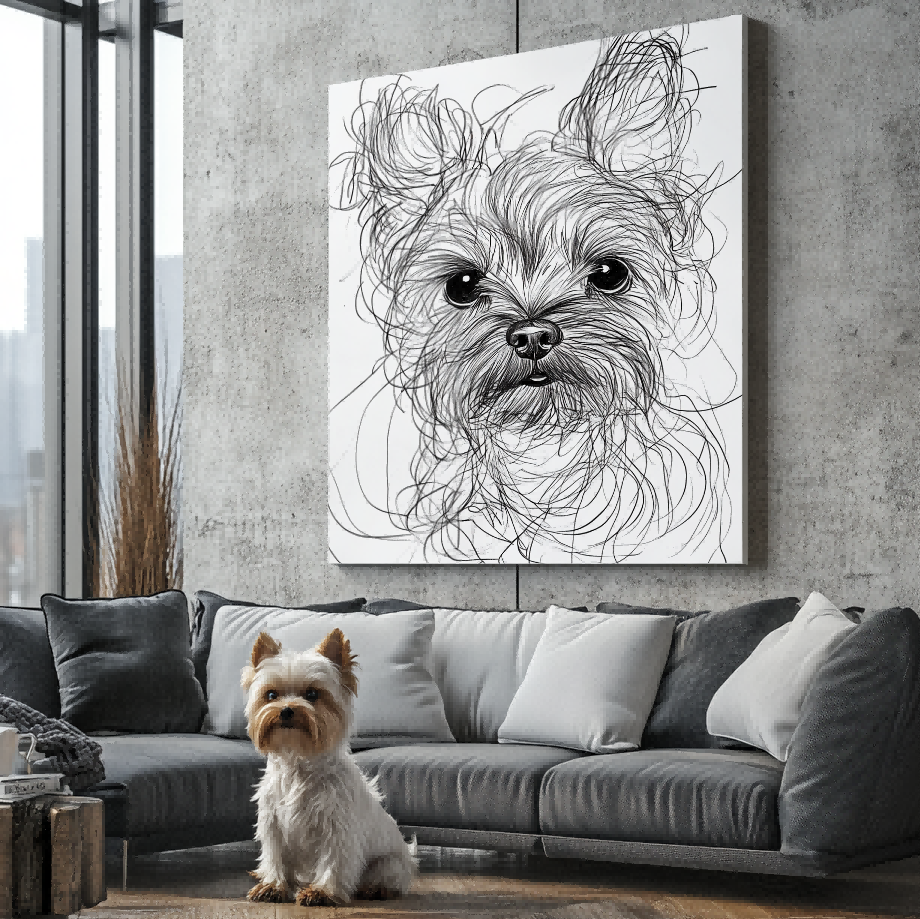

Direct answer: For a small wall or narrow entryway, choose a pet portrait size by measuring the usable open area first, then checking viewing distance, nearby furniture, trim, switches, and orientation. The right choice is not automatically the smallest format. It is the one that gives the pet room to be seen without making the wall feel crowded.
This is a placement-led companion to the main custom pet portrait size guide. The main guide owns general dimensions and orientation. This page stays focused on the specific small-space problem: what a narrow or interrupted wall can actually support.
Measure the open rectangle, not the entire wall
Entryways often have doors, switches, hooks, mirrors, console tables, trim, or an opening into another room. Measure the clear area that will remain visible after those elements are considered. Then step back to the normal approach path. A portrait placed near eye level can still feel intentional on a small wall when the open area around it is respected.
Do not decide from a product thumbnail alone. Tape a simple paper outline on the wall or use a removable painter’s-tape rectangle to judge scale in the actual room. This can reveal a cramped edge or awkward alignment before you compare available options.
Think about the first viewing distance
In a narrow entryway, a portrait is often seen while walking past it rather than from the far end of a large living room. That changes what matters: a clear face, comfortable placement, and enough surrounding wall can be more useful than selecting the largest possible display. Keep the pet as the visual focus instead of trying to fill every inch of space.
If you are planning several pieces together, use the pet portrait gallery wall guide. A single-placement question should not be forced into a multi-artwork layout plan.
Use orientation to solve a layout problem
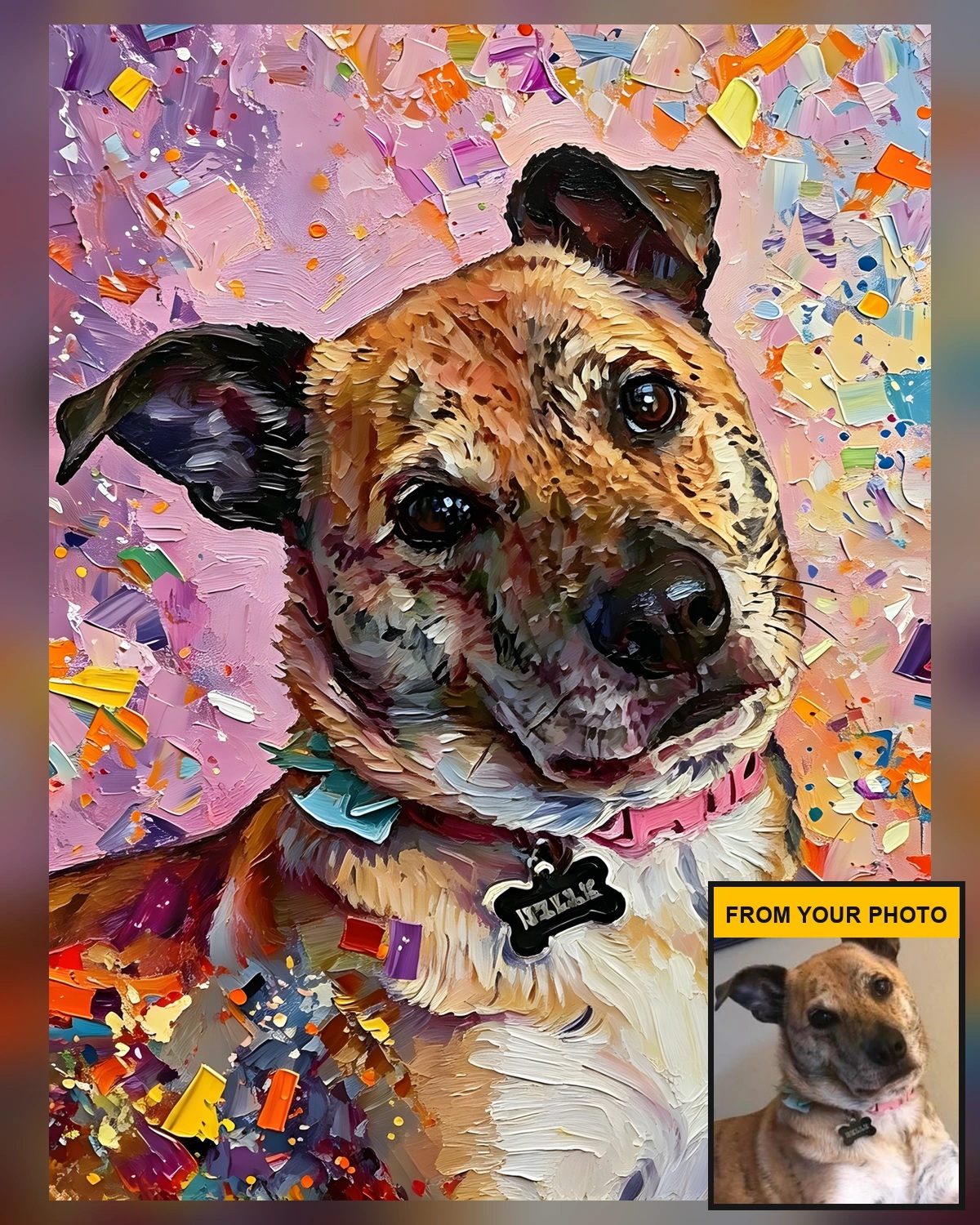
A tall, narrow open area may suggest a vertical composition, while a lower and wider area may make a horizontal layout easier to view. Orientation should follow the usable wall shape and the pet’s reference photo, not a rule that one format is always better. Keep clearance around door swings, furniture edges, and other items that may visually compete with the portrait.
Once placement makes sense, the pet portrait style-for-home guide can help with visual direction. It is a separate decision from fitting the artwork into a limited wall area.
Small-wall checklist
- Measure the uninterrupted wall area, not only the overall wall.
- Check the normal walking and viewing distance.
- Leave visual breathing room around doors, trim, and furniture.
- Choose orientation from the wall shape and reference photo.
- Use the main size guide for current dimensions and format comparison.
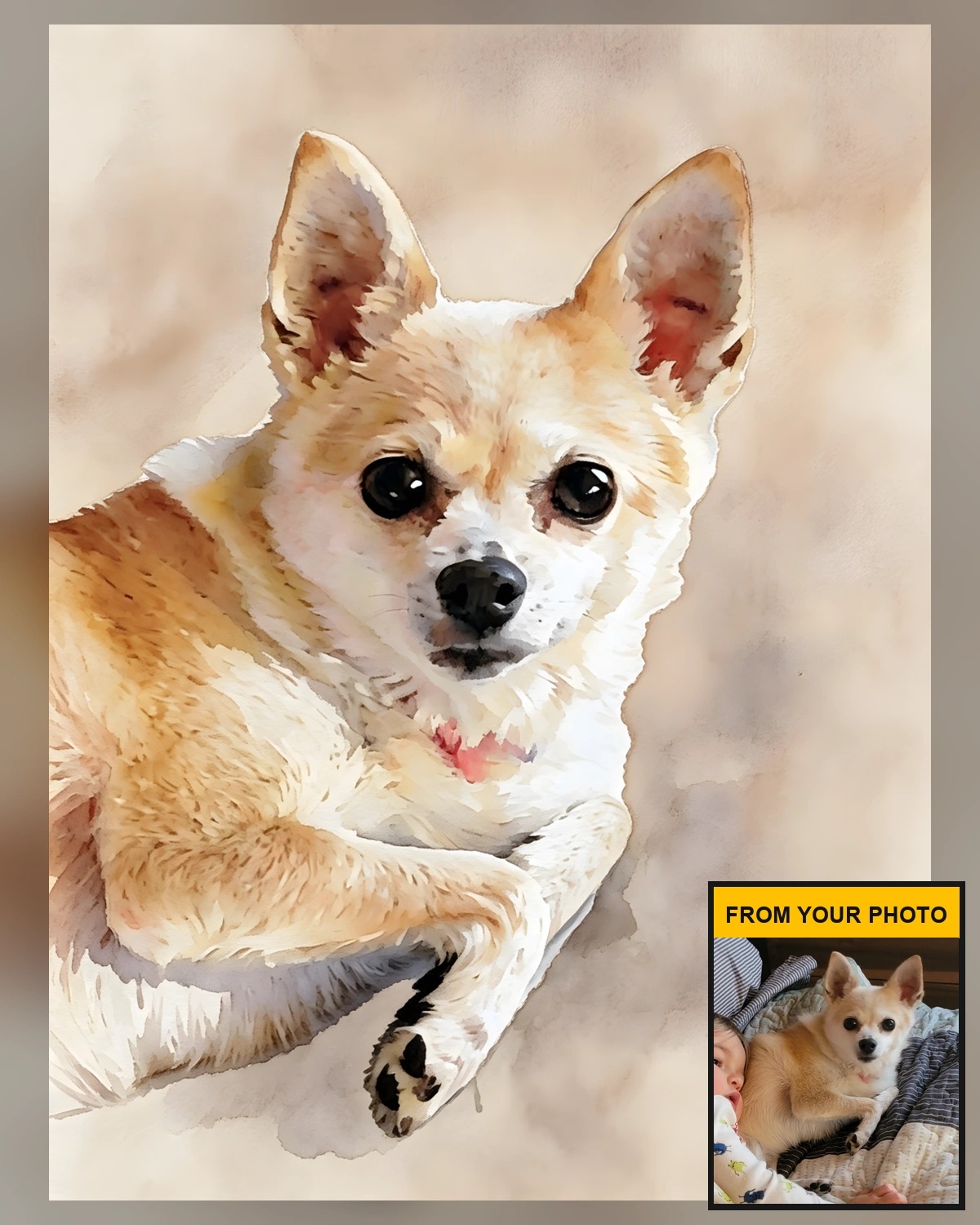
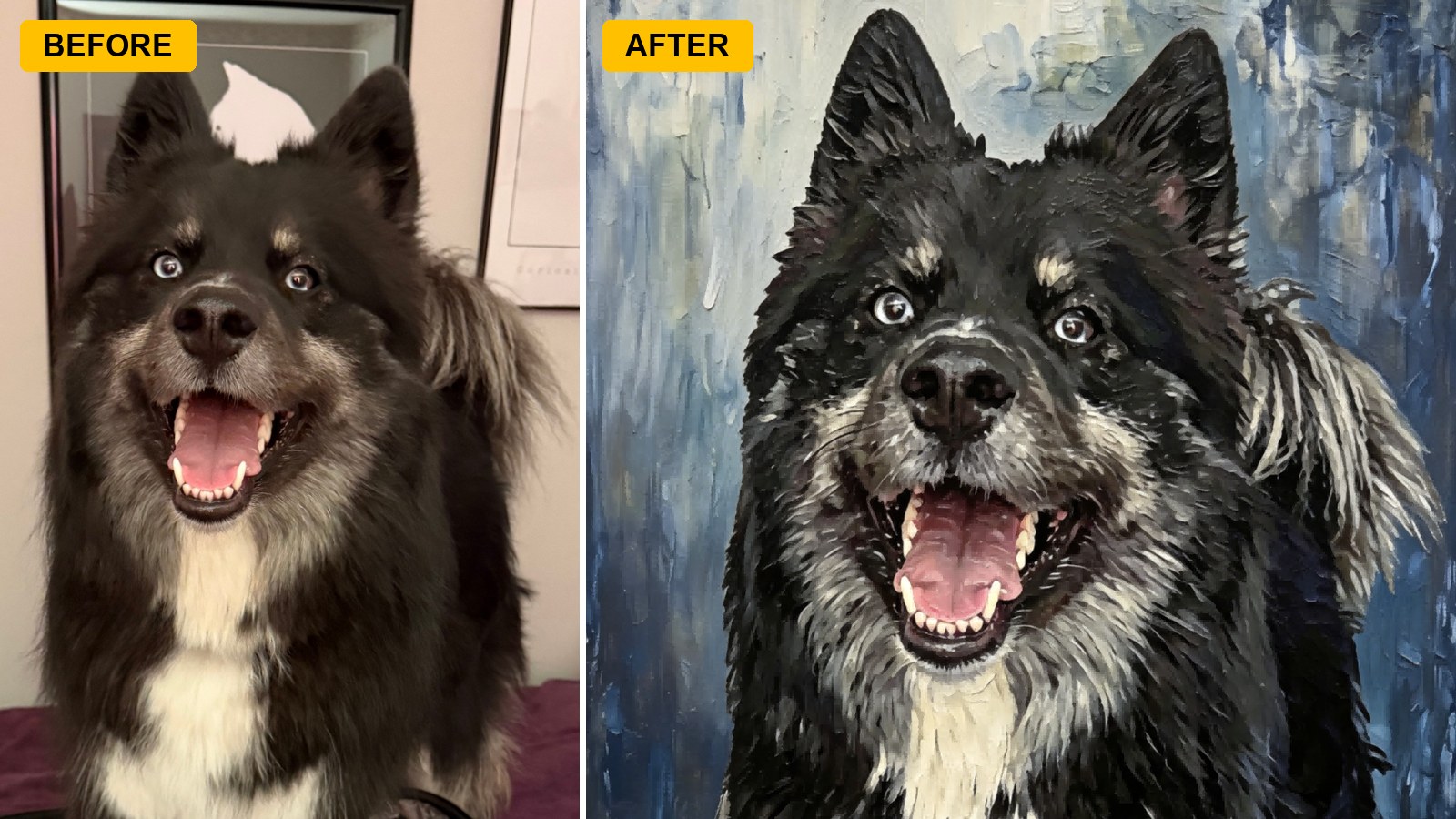
For a look at artwork-stage examples, visit the Customer Preview Gallery. The gallery can help you discuss composition, but it does not determine size or physical product details.
After you have chosen the placement
When the wall shape, viewing distance, and orientation are clear, browse the live custom pet portrait collection. Confirm current product options from the collection and product pages rather than relying on a display-planning article.
Frequently asked questions
Is the smallest portrait always best for an entryway?
No. Start with the clear wall area and normal viewing distance. A too-small piece can disappear just as easily as an oversized one can feel crowded.
Should I plan a gallery wall instead?
Only if the purpose is to arrange several pieces. For one portrait, keep the decision focused on the single available wall area.
Where can I compare current dimensions?
Use the main Size Guide and current collection or product details for the live options.
Try the placement before deciding
A simple taped outline is not a promise that a particular format will be available. It is a way to see the wall’s visual rhythm before you compare current options. If the outline competes with a door, mirror, or furniture edge, adjust the planned location first rather than forcing an unsuitable size into the original spot. Look from the doorway as well as from directly in front of the wall; a narrow approach can make a placement feel different from a straight-on measurement.
Final takeaway
Small spaces benefit from deliberate placement, not automatic downsizing. Measure the usable rectangle, consider the path through the room, leave breathing room around the artwork, and let the general Size Guide handle the final current-format comparison with live availability.


