



I'll be honest—when I first heard "oil on canvas," I pictured stuffy museums and paintings that cost more than my car. Not exactly something I thought I'd ever hang in my living room.
But then I started paying attention. Really paying attention. To the texture of paintings in friends' houses. To why some art feels timeless and other stuff looks cheap after a couple years. And I realized I'd been missing the point.
Oil on canvas isn't just for old masters anymore. It's having a real moment in 2026. And honestly? It never really went away.

Okay, What Actually Is Oil on Canvas?
Let me break it down quick.
Oil paint is pigment suspended in drying oil—usually linseed oil. It's been around since at least the Middle Ages and became the go-to medium for easel painting by the 15th century. Canvas is the fabric it's painted on—usually cotton or linen, stretched over a wooden frame.
Put them together and you get oil on canvas. Simple enough.
But here's what makes it special: oil paint dries slowly. Really slowly. Sometimes over days or weeks. That sounds like a hassle, but it's actually what gives oil paintings their signature depth. Artists can blend colors directly on the canvas, creating soft transitions and subtle gradients that you just can't get with faster-drying stuff.
The result? Colors that seem to glow from within. Texture you can actually see—brushstrokes, ridges, layers upon layers. It's the kind of richness that makes you want to reach out and touch it.

The 2026 Comeback Nobody Saw Coming
Here's something I didn't expect: the oil on canvas market is projected to grow from $1.2 billion in 2025 to $1.8 billion by 2034. That's not a niche thing anymore—that's serious momentum.
So what's driving it?
Texture is the new gold. In 2026, people are moving away from flat, glossy prints and toward art with actual physical depth. One trend report called it "quiet luxury"—understated elegance that doesn't need a loud logo to prove its worth. Thick brushstrokes catch light differently throughout the day. Palette knife ridges create shadows that shift as the sun moves. Flat prints just can't do that.
People are tired of digital perfection. In a world where AI can generate endless images, handmade art feels more valuable than ever. One art market report noted a surge in demand for hand-painted textured art that counters AI's "sterile smoothness" . The slight imperfections in a hand-painted piece? Those are what make it feel real. In fact, textured canvas art is fetching up to 40% higher prices than AI alternatives right now [8†L15-L16].
Handmade art is becoming a statement. Interior design spending on handcrafted art has surged by more than 30% since 2024, with oil paint sets seeing renewed demand among both professionals and DIY creators. Over 38% of high-end residential projects now incorporate tactile wall art rather than flat prints. People want their walls to tell a story, not just match a color scheme.

Oil vs. Acrylic: What's the Difference (and Why Does It Matter)?
This is the question I get asked most. Both are painted on canvas. Both can look gorgeous. So what's the actual difference?
Appearance: Oil paintings have a depth and richness that's hard to replicate. The slow drying time—days or even weeks—lets artists create soft transitions and an inner glow that acrylics just can't match [1†L12-L13]. Acrylics dry in minutes and tend to look brighter and more graphic—great for modern, bold designs.
Texture: Oil paintings typically have more visible, three-dimensional brushwork. The paint builds up in peaks and ridges. Acrylics dry flatter and smoother, though thick applications can mimic oil.
Longevity: This is where oil really shines. When properly cared for, oil paintings can last centuries. Museum-quality pieces are designed to last for generations [6†L26-L27]. High-grade oil pigments maintain their vibrancy, unlike dyes that can fade within a decade or two [6†L27-L28]. Acrylics are durable but generally less archival.
Drying time: Oil takes days or weeks to dry. Acrylic dries in minutes. That's a drawback for artists who want to work fast, but it's a feature for anyone who wants that layered, blended look.
Neither is objectively better. It depends on what you're going for. Bright and crisp? Acrylic might be your thing. Classic, rich, museum-quality? Oil is hard to beat.
What Makes a Great Oil on Canvas Piece?
After looking at a lot of art (and making some expensive mistakes), here's what I've learned to look for:
Canvas quality matters. Cheap canvases warp. The edges curl. The colors fade. Good ones—like 13-oz museum-grade cotton—stay straight and vibrant for decades. Linen offers a tighter weave and is preferred by professionals.
Texture adds value. The impasto technique—applying paint so thickly that brushstrokes and palette-knife marks remain visible—is having a major moment in 2026. It's not just about how the painting looks; it's about how it feels. Light plays across those ridges differently throughout the day.
Proper technique matters. Oil painting follows the "fat over lean" principle—each layer should have slightly more oil than the one beneath it. This prevents cracking and ensures the painting lasts. It's the kind of technical detail that separates art that lasts from art that falls apart.
Good materials last. High-grade oil pigments maintain their vibrancy for centuries. Museum-quality pieces are designed to last for generations.

What This Means for Custom Pet Portraits
Here's where all this becomes relevant for you and me.
I've seen plenty of pet portraits that look great for a year or two and then start to fade, warp, or just feel… cheap. That's usually because they're printed on low-quality canvas with basic inks—not actual oil paint, not real texture, not built to last.
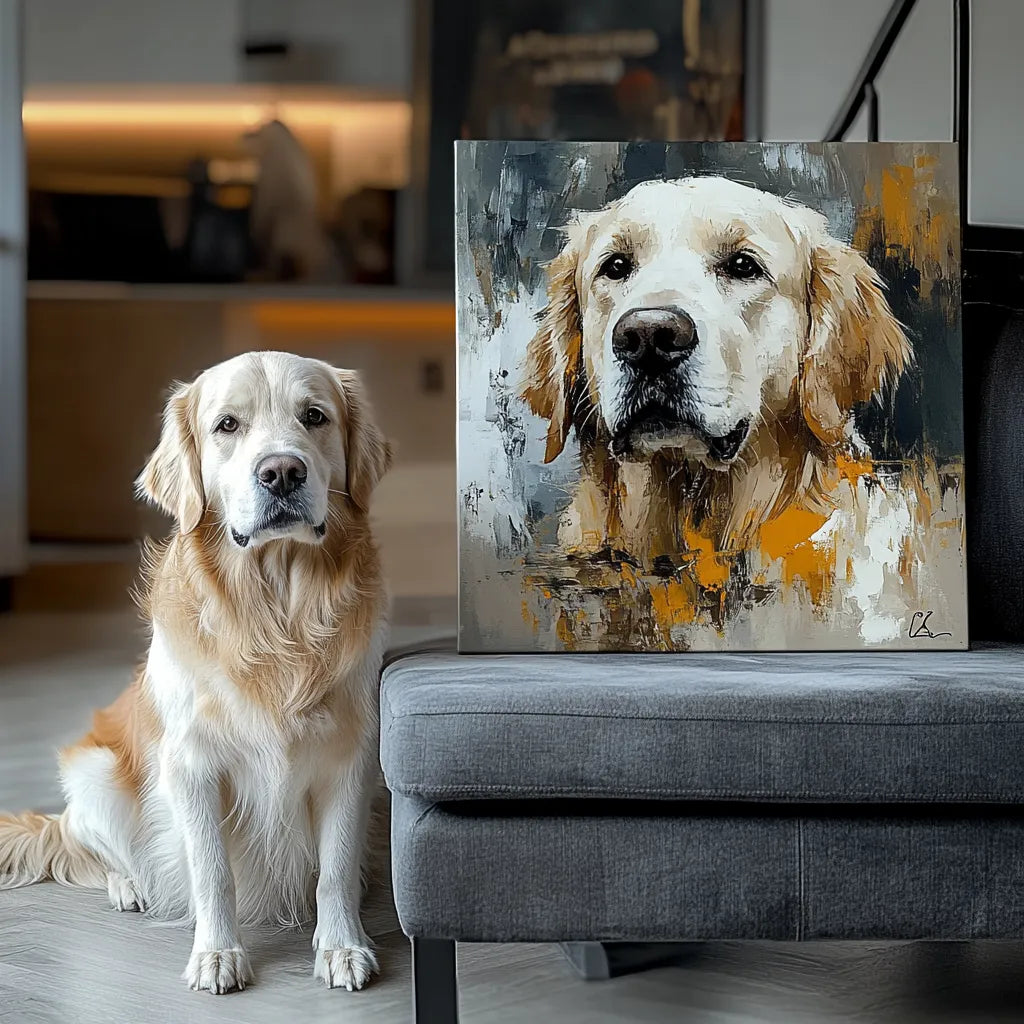
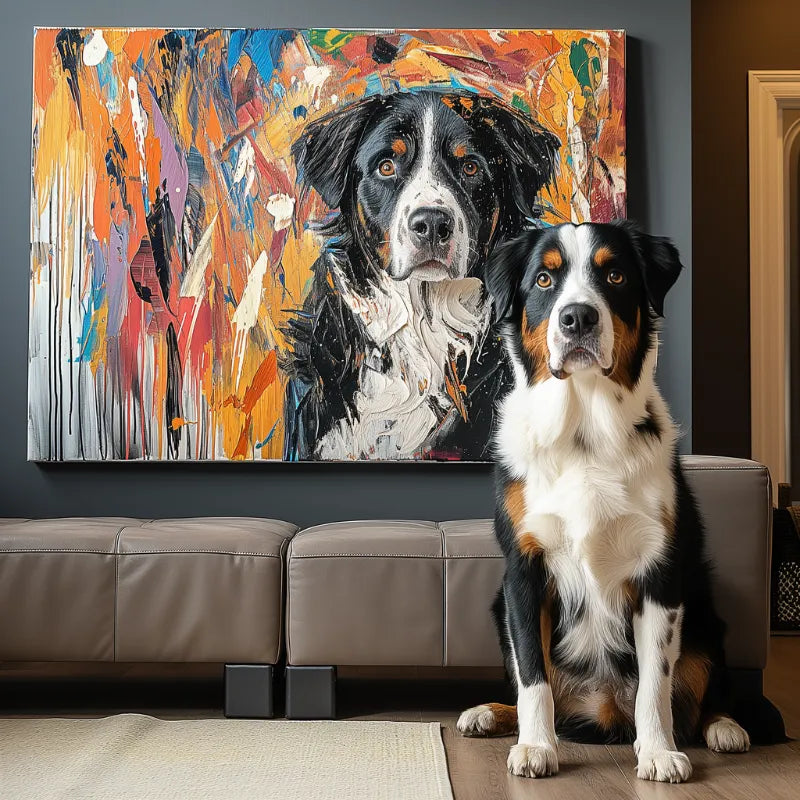
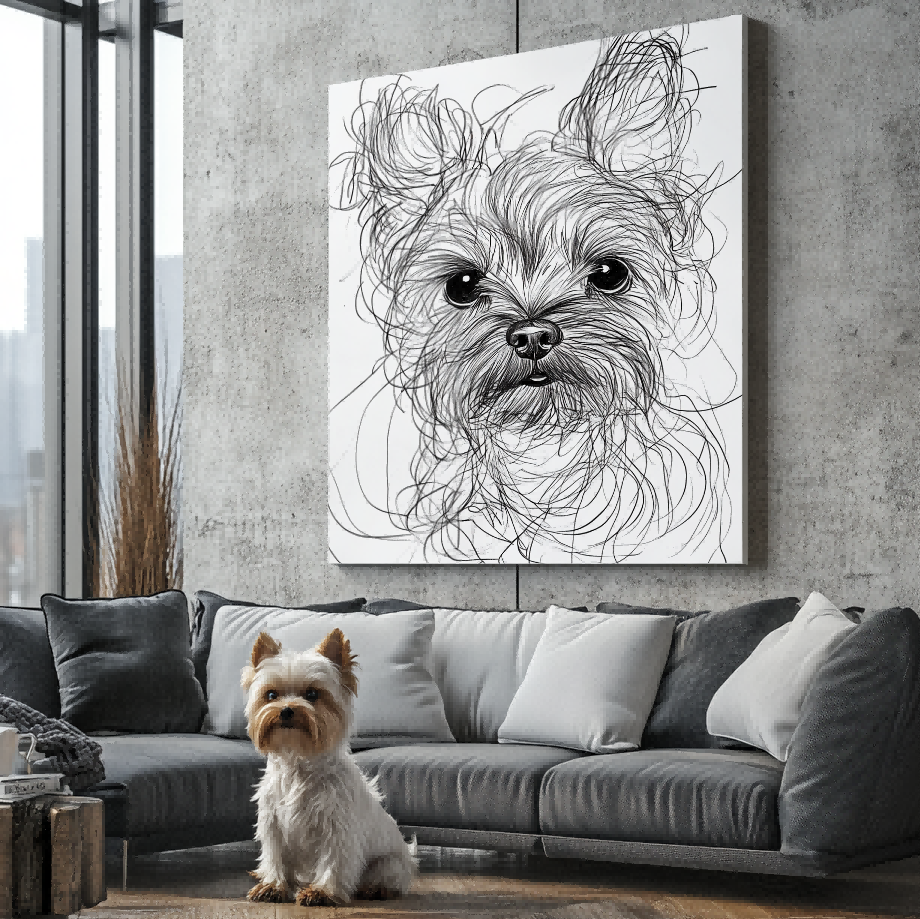
At Palette Tales, we take a different approach. We use 13-oz cotton canvas that resists warping and fading. The natural weave of the canvas adds a tactile, painterly quality that mimics traditional oil paintings. And we offer customizations like vintage oil-style treatments that give your pet's portrait that classic, hand-painted feel.
Is it the same as a $1,300 hand-painted oil portrait? No. But it's a lot closer than you'd think—at a fraction of the cost. The raised textures on our canvases resemble oil or acrylic brushstrokes, mimicking real paintings without the high price tag of custom commissions. If you want to see what I'm talking about, browse the full portrait collection here.
A Few Things I've Learned the Hard Way
-
Not all canvas is created equal. Cheap canvas warps. Good canvas—like 13-oz cotton—stays straight.
-
Texture matters more than you think. Flat prints look like posters. Textured canvases look like art.
-
Think about longevity. If you want something that'll still look good in 20 years, invest in quality materials.
-
You don't need to spend a fortune. Custom oil portraits can run $400–$1,000+. But you can get that look and feel—real texture, quality canvas, lasting color—for a lot less.
FAQ – Oil and Canvas
1. What's the difference between oil and acrylic on canvas?
Oil paint dries slowly, creating rich depth and blendable texture. Acrylic dries fast and looks brighter and more graphic. Both have their place—it depends on the look you want .
2. How long does an oil painting on canvas last?
With proper care, oil paintings can last centuries. Museum-quality pieces are designed to last for generations
3. Is oil on canvas better than canvas prints?
That depends on what you value. Oil paintings have texture, depth, and longevity that prints can't replicate. But prints are more affordable and accessible.
4. Why is oil on canvas so expensive?
Quality materials, time-intensive techniques, and the skill required all add up. Hand-painted oil portraits can run $400–$1,000+.
5. Can I get the look of oil on canvas without the cost?
Yes. Textured canvas prints with raised brushstroke effects can mimic the look and feel of oil paintings at a fraction of the price.
6. What's impasto?
It's a technique where paint is applied thickly so brushstrokes and palette-knife marks remain visible. It's a major trend in 2026.
7. What's the "fat over lean" rule?
It's a principle in oil painting where each layer should have slightly more oil than the layer beneath it. This prevents cracking and ensures the painting lasts.
8. Where can I get a custom pet portrait with oil-style texture?
Palette Tales offers custom pet canvases with textured, oil-style finishes on 13-oz cotton canvas. Check out the full collection here.
I used to think "oil and canvas" was just fancy museum talk. Now I get it. There's something about real texture, real depth, and real craftsmanship that flat prints just can't match.
If you've got a favorite photo of your furry friend and you want it to feel like art—not just a photo on fabric—it's worth thinking about what's actually on that canvas.
Visit www.palettetales.com to see our custom pet canvas options.


