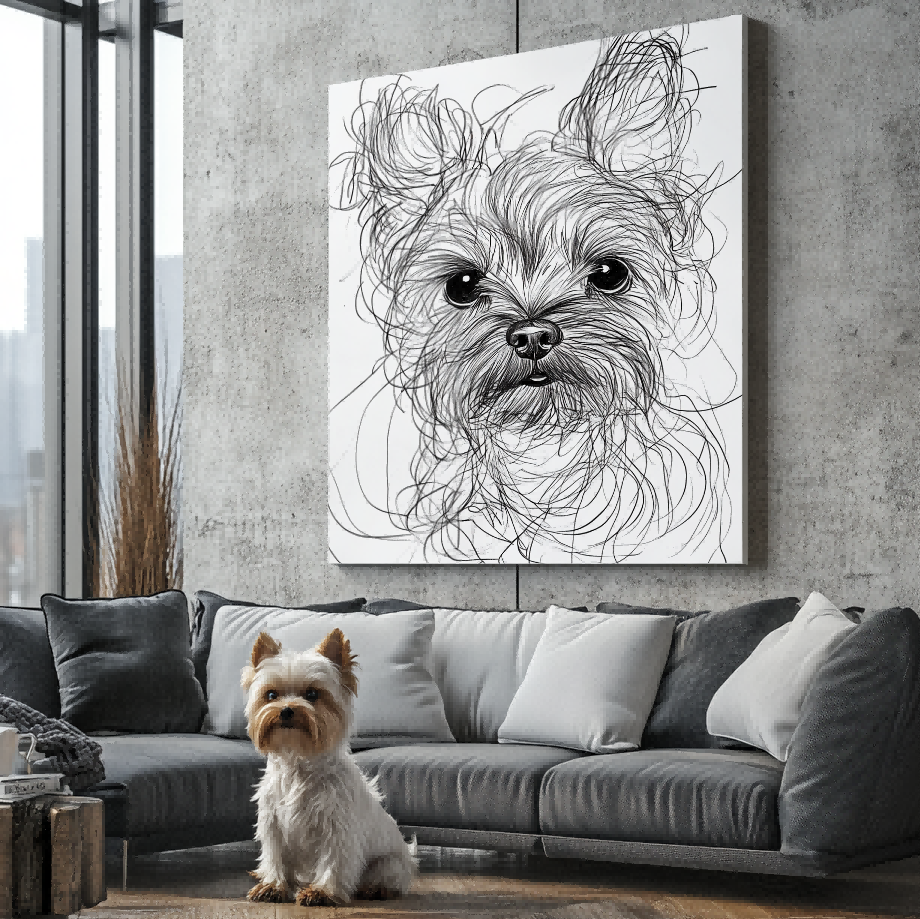
A collar or harness can be part of a pet’s everyday look, but it can also be the detail a buyer is unsure about when choosing a portrait reference. The right first question is not whether every collar can be removed. Different artwork processes and live options may handle reference details differently. A better approach is to identify what is visible in the photo, why the detail matters, and what you need to clarify before assuming a change is available.
This is an educational decision guide. It does not promise a particular service, option, process, material, delivery date, edit, or result. Confirm live details directly before relying on a general article.
Start with the decision behind the search
For this collar-or-harness reference-detail question, begin by naming what matters most: the pet, the recipient or room, and the detail that should remain recognizable. That makes the next step specific without turning a personal decision into a generic list of claims.
best photo guide addresses an adjacent question. It is a useful next step precisely because it does not repeat the same search intent.
Use evidence without making assumptions
A helpful choice is grounded in what the photo and context actually show. Look for visible markings, expression, posture, or a familiar moment. If something is unclear, write it down as a question instead of filling the gap with an unsupported assumption.
distinctive markings guide can help with that separate reference decision.
Make a simple decision record
Before comparing any live options, write three short notes: the reason this idea matters, the part of the pet or memory that should stay recognizable, and the one detail you still need to check. This keeps a personal choice from becoming a vague search for the “best” option. It also makes it easier to pause, return later, or talk with another person without losing the original purpose of the search.
If the question involves a gift, remember that personal does not always mean surprising or elaborate. The recipient may care most about a familiar expression, a shared routine, or simply being asked what feels appropriate. If it involves a display choice, notice where the item will be seen and what the room already needs. If it involves terminology or a requested edit, treat the term as a prompt to ask for clarification, not as proof that a particular process is included.
Keep the article separate from live availability
Live collections and product pages are where current choices, availability, and order-specific information belong. A decision guide should help you ask better questions, not replace the current information you need to check.
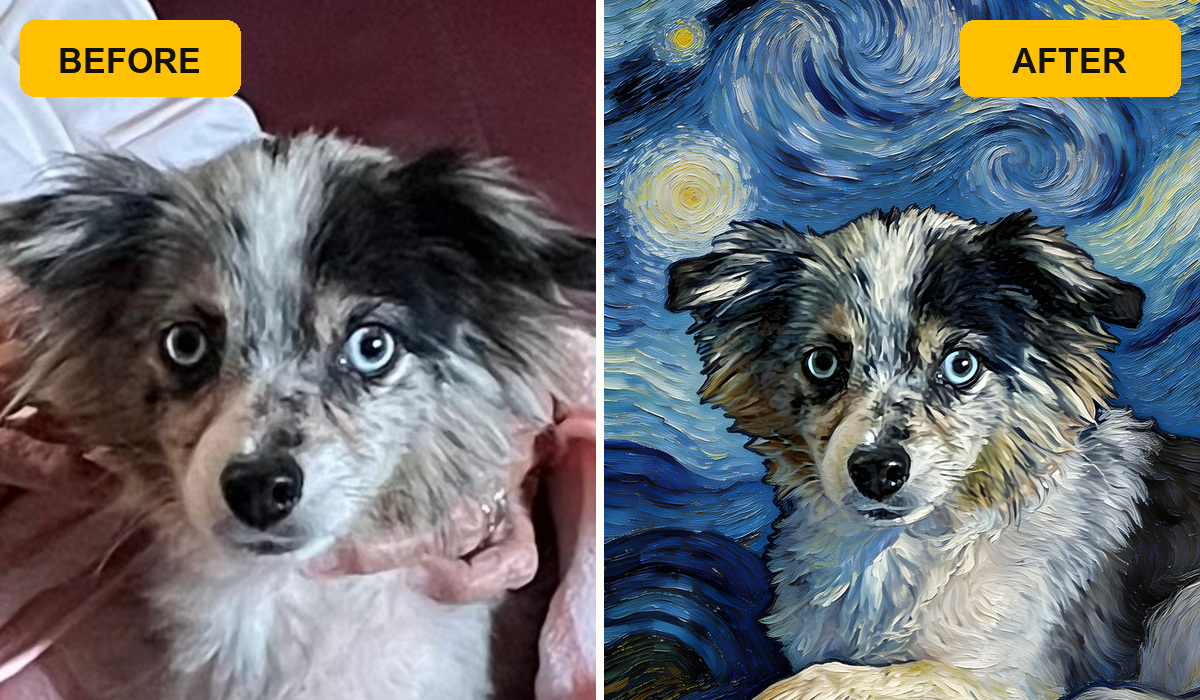
For additional visual context, visit the pet likeness guide.
What to confirm on a live page
Read the current page rather than relying on an old article, a saved screenshot, or a general assumption. Look for the format that is actually offered, the reference information requested, and any order-specific choices that may affect your decision. If the page does not answer a question that matters to you, do not fill the gap with a promise that has not been made. Asking first is more reliable than choosing based on a phrase, an image, or a search result alone.
This distinction protects both the reader and the page’s intent: the article offers a way to decide; the live page supplies current information. Keeping those jobs separate avoids turning education into an unsupported sales claim.
A low-pressure next step
Sometimes the best next step is to save the photo, talk with the recipient, or compare the live information later. If the direction still feels right, use the current portrait collection to check current options for yourself.
Frequently asked questions
Does this guide confirm that a specific request is available?
No. It explains how to approach collar-or-harness reference-detail question. Confirm current details on the live collection or product page.
Do I need a perfect photo?
No. A useful photo is one that makes the pet recognizable enough for the decision. If the image is meaningful but unclear, recognize both qualities before moving forward.
Can I pause the decision?
Yes. The point of a guide is to make the next question clearer, not to create urgency.
Final takeaway
Collar-or-harness reference-detail question is most useful when it begins with visible evidence and a clear purpose. After the question is answered, verify current options on the current portrait collection rather than treating the article as a product promise.