

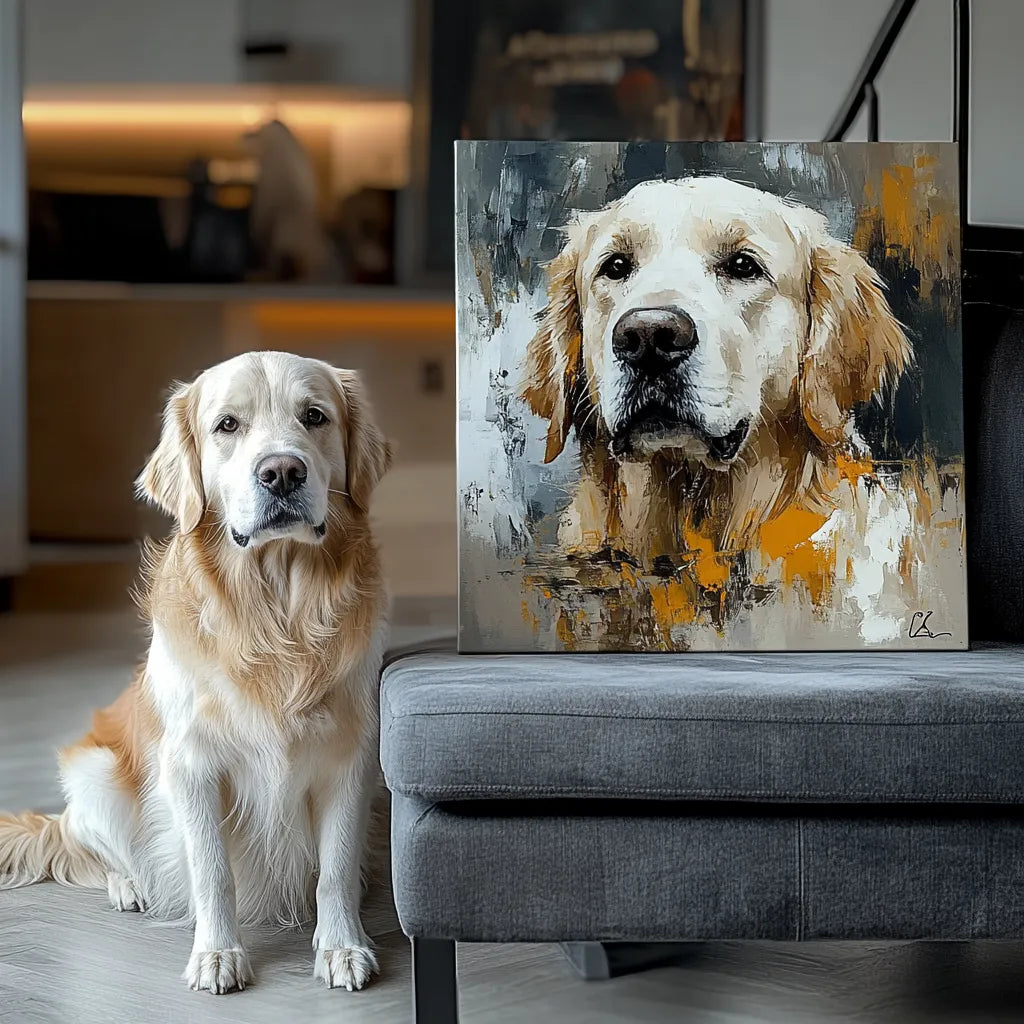
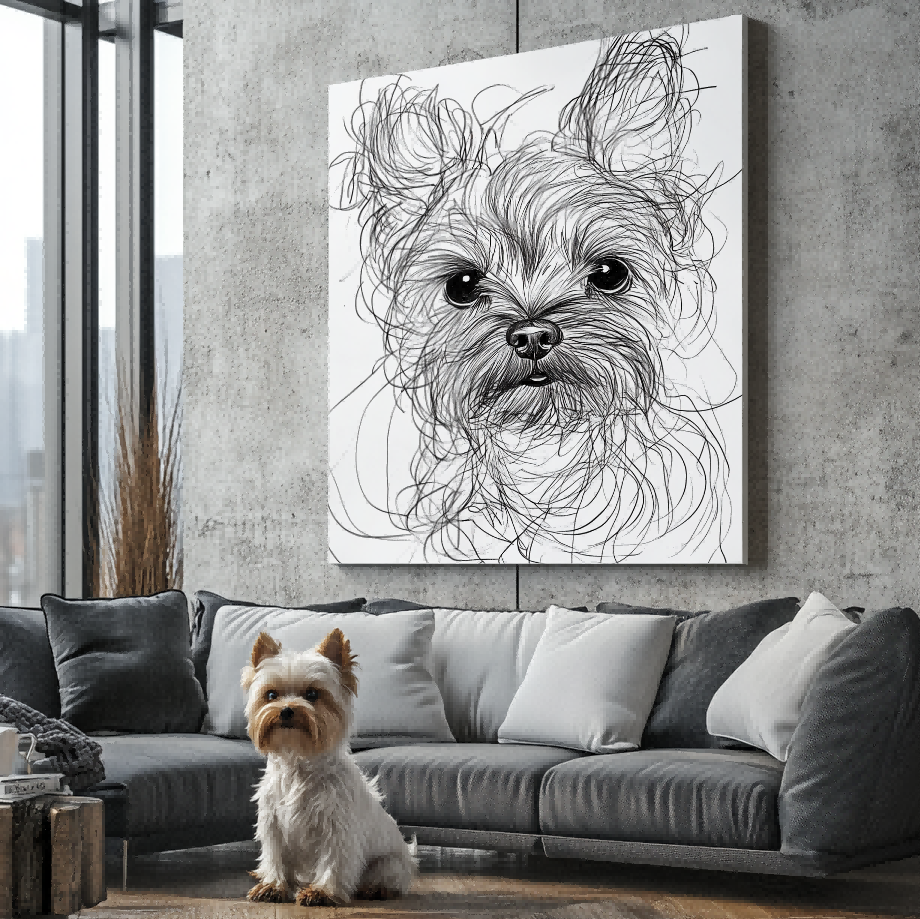
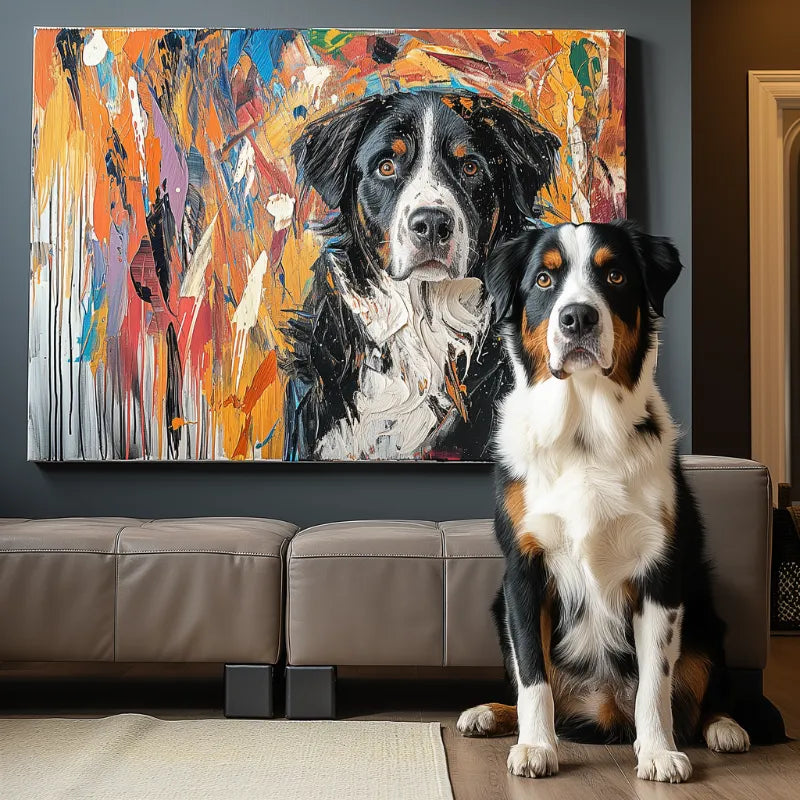


A paw print keepsake preserves a particular mark; a pet portrait preserves a visual likeness. If you want to remember the shape of your pet's actual paw, an existing impression has a role that a portrait cannot replace. If you want to see the familiar face, expression, or coat pattern, a photo-based portrait answers a different need.
Neither is the more loving choice. Start with the evidence you have and the memory that matters to you. A keepsake does not need to capture every part of a pet to be personal, and you do not have to choose both.
Is it your pet's impression or a paw-shaped symbol?
Look closely at what a listing means by “paw print.” It might use an actual supplied impression, a simplified drawing made from that impression, or a generic paw icon beside a name. All can be decorative, but they preserve different information.
If authenticity of the individual mark matters, ask what source is used and whether lines will be cleaned up, simplified, or redrawn. Keep the original safe. Do not assume a photograph of a pet can reconstruct a paw impression that was never captured.
What a portrait can preserve instead
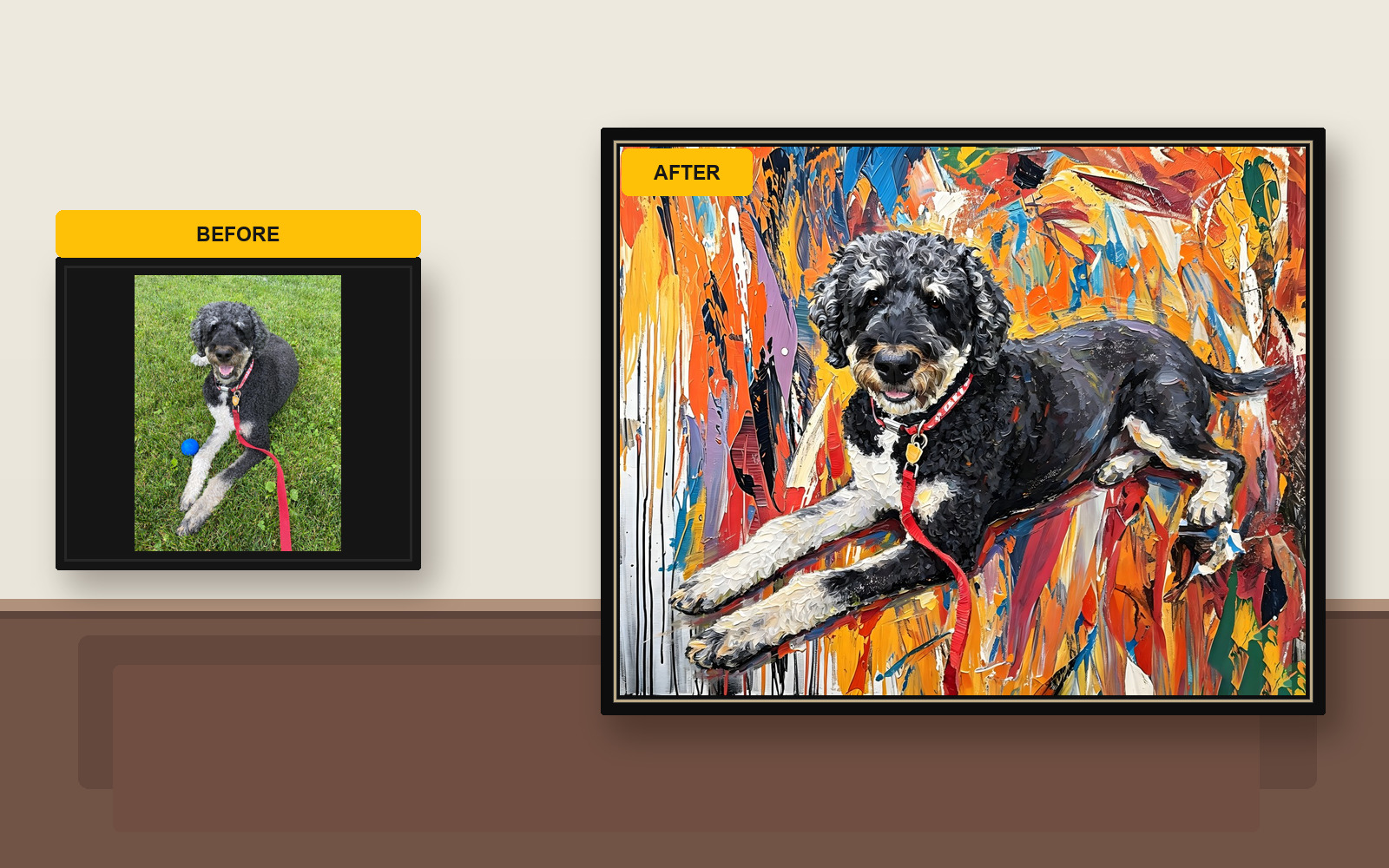
A portrait can bring attention to eyes, ear shape, markings, or a familiar posture visible in the reference. Those details are different from a contact impression. The portrait should not be presented as a factual record of hidden details, and the image above does not imply that the pet is deceased.
For a memorial portrait, the memorial photo guide helps you assess available photographs without demanding a perfect new picture. A meaningful older photo may be the only source; its limits should be discussed rather than hidden.
Choose around what already exists
- You have a clear paw impression: decide whether you want to preserve the original object or make a separate reproduction. Confirm what the provider needs before sending anything irreplaceable.
- You have photographs but no impression: a portrait can use the visible likeness. Do not buy a generic paw symbol expecting it to be your pet's actual mark.
- You have both: consider whether they belong together in your display or should remain separate keepsakes. One does not have to be altered to match the other.
A combined design is only an option when a provider explicitly supports it. This article does not promise that Palette Tales can incorporate a paw impression, create an engraved item, or reproduce a physical memento.
For someone else, ask before choosing the form
A recipient may prefer a private keepsake over visible wall art, or the reverse. They may already have an impression they treasure and not want it redrawn. A simple question about format can prevent a well-meant gift from feeling like a decision made for them.
Avoid ranking gifts by how much comfort they should provide. If it is a sympathy gesture, use the sympathy gift guide for the separate question of timing and preference.
Make the next step specific
Write down whether you want to preserve a mark, a face, or both as separate pieces. Then check the source requirements and the actual product description. If a visual likeness is the right direction, explore Custom Pet Portraits. The best choice is the one that respects the real material you have and the way you want to remember—not the one with the strongest marketing promise.


