



Direct answer: An older pet photo can be a useful reference for a custom pet portrait when the face, markings, and expression are still visible enough to evaluate. Age alone is not the problem. The question is whether the original image still shows the details that make the pet recognizable, or whether a clearer second photo is needed to support it.
Use the best-photo checklist for the general selection standard. This page addresses a different decision: how to respect the meaning of an older image without pretending that missing visual information can be recovered automatically.
Begin with the original, not the smallest copy
If the photo came from an old phone, email, social post, or paper print, look for the largest original available. A screenshot of a screenshot can make blur and compression worse. For a printed image, scan it carefully or photograph it in even light without glare. The goal is simply to preserve the detail that is already there.
At full size, check the eyes, muzzle, ear shape, coat markings, and the edges of the face. A modestly old photo can still be strong if those features remain clear. A newer photo is not automatically better if it does not show the pet as people remember them.
Separate sentimental value from reference strength
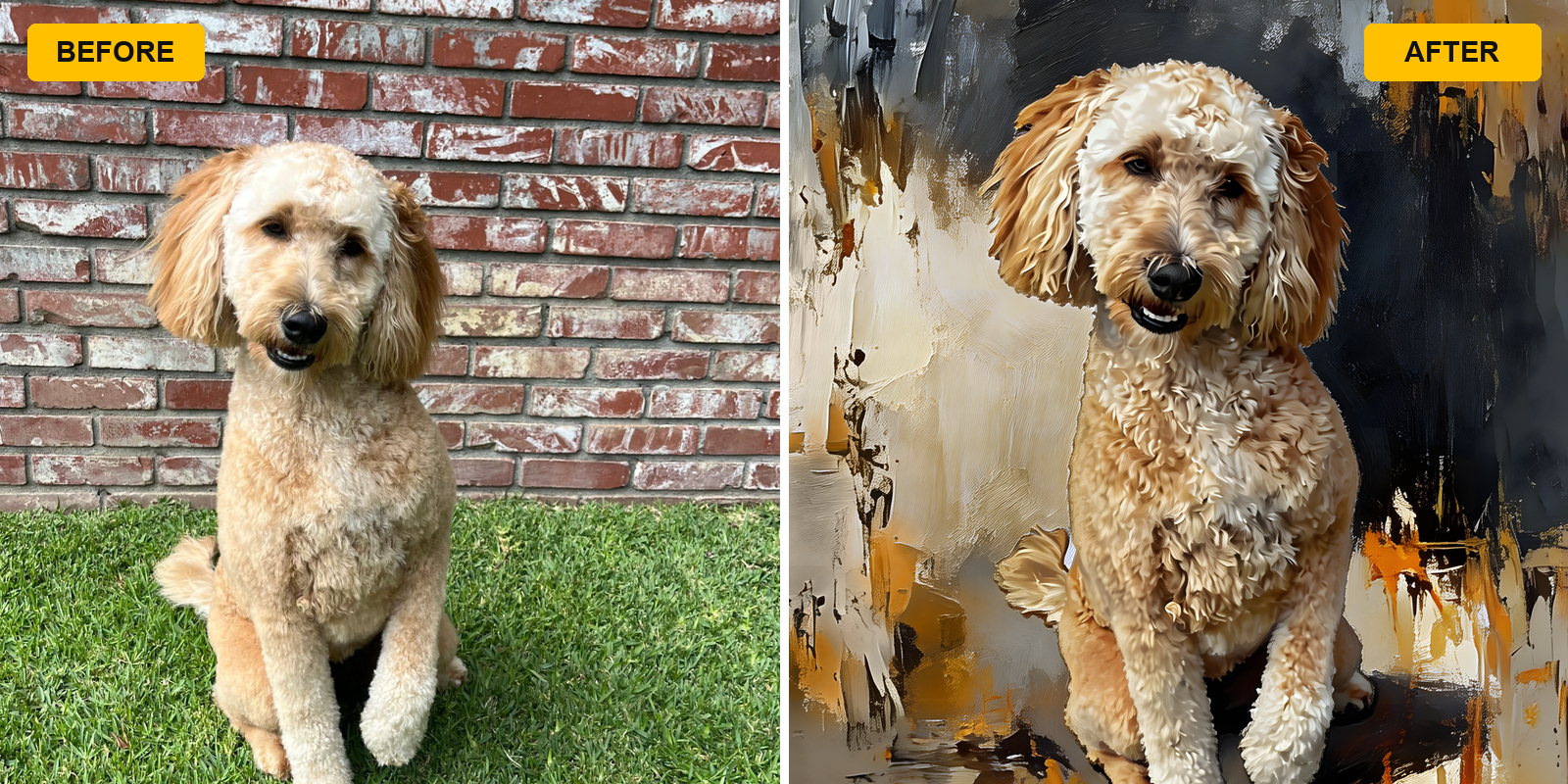
Sometimes the photograph with the greatest emotional value is not the clearest visual reference. That does not make it unusable. It means you should decide what role it can play. Use it to preserve a familiar expression or moment, and add another image only when it clarifies a visible feature such as an eye color, a patch of fur, or the shape of the ears.
The separate-photo reference guide can help you assess whether a supporting image is adding clarity rather than changing the intended composition.
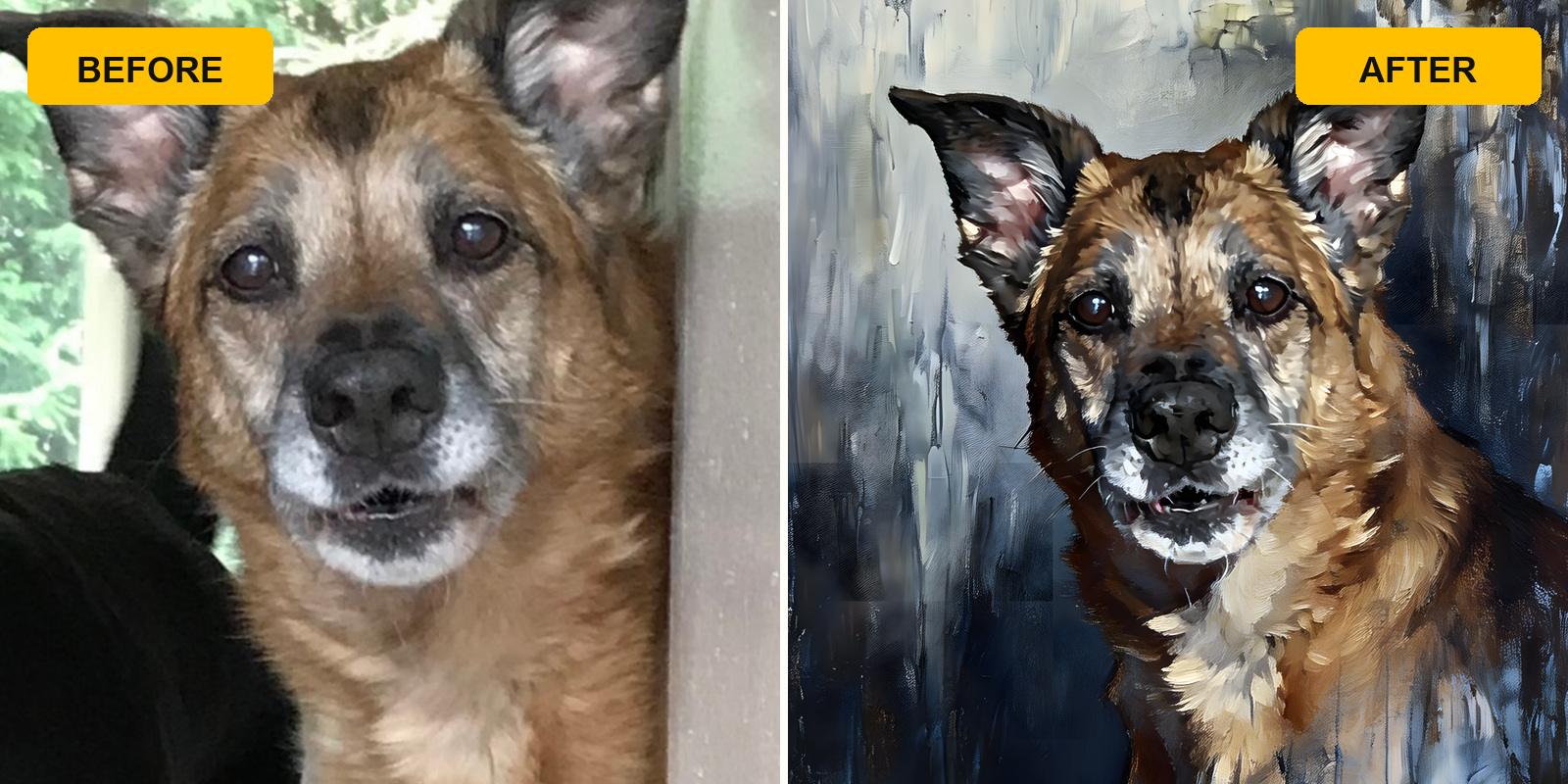
Watch for the limits of an older image
Pause when the face is too small, the photo is badly out of focus, the pet is mostly hidden, or the image is cropped tightly around a single feature. Do not assume that a shadowed eye, lost marking, or unseen ear can be guessed correctly. If the photo is irreplaceable, state the exact visible feature that matters and compare it with any trustworthy supporting reference you have.
For a clear explanation of what can be checked when artwork is available to review, see the preview and revision process. That page owns the workflow rather than the photo-selection decision.
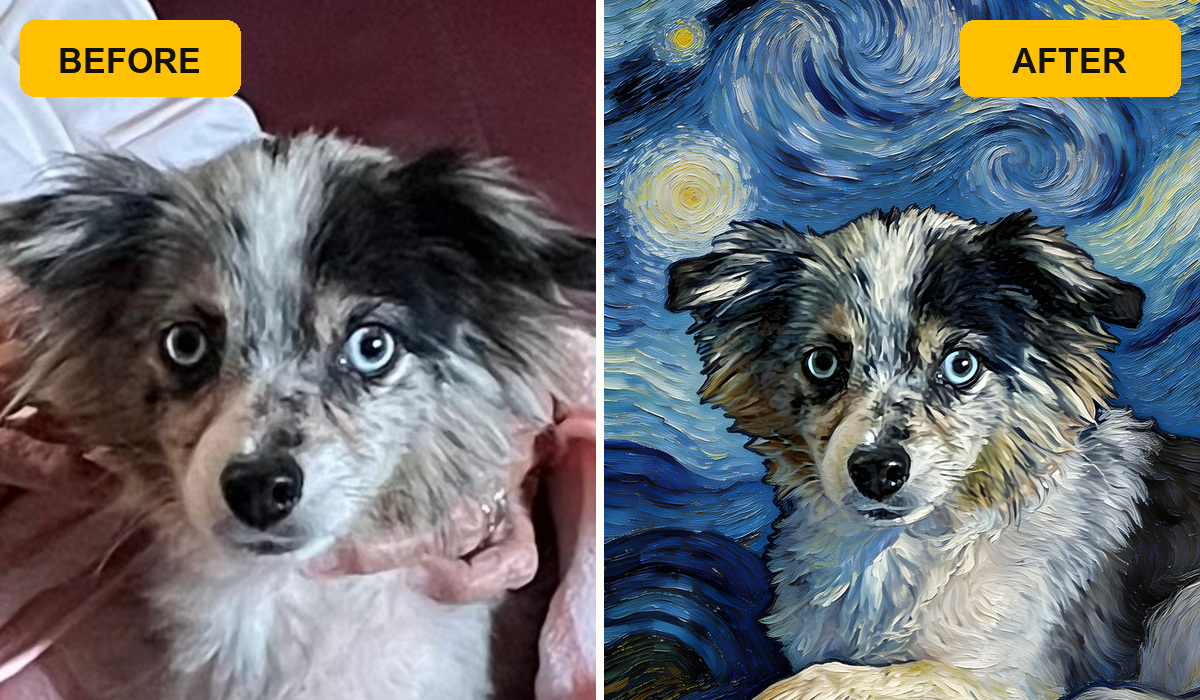
Older photo checklist
- Find the highest-quality original or scan.
- Check whether the face and distinctive markings are visible at full size.
- Keep a meaningful older photo even if a clearer supporting reference is needed.
- Do not use filters that change visible pet features.
- Write down the one or two details that matter most before making a decision.
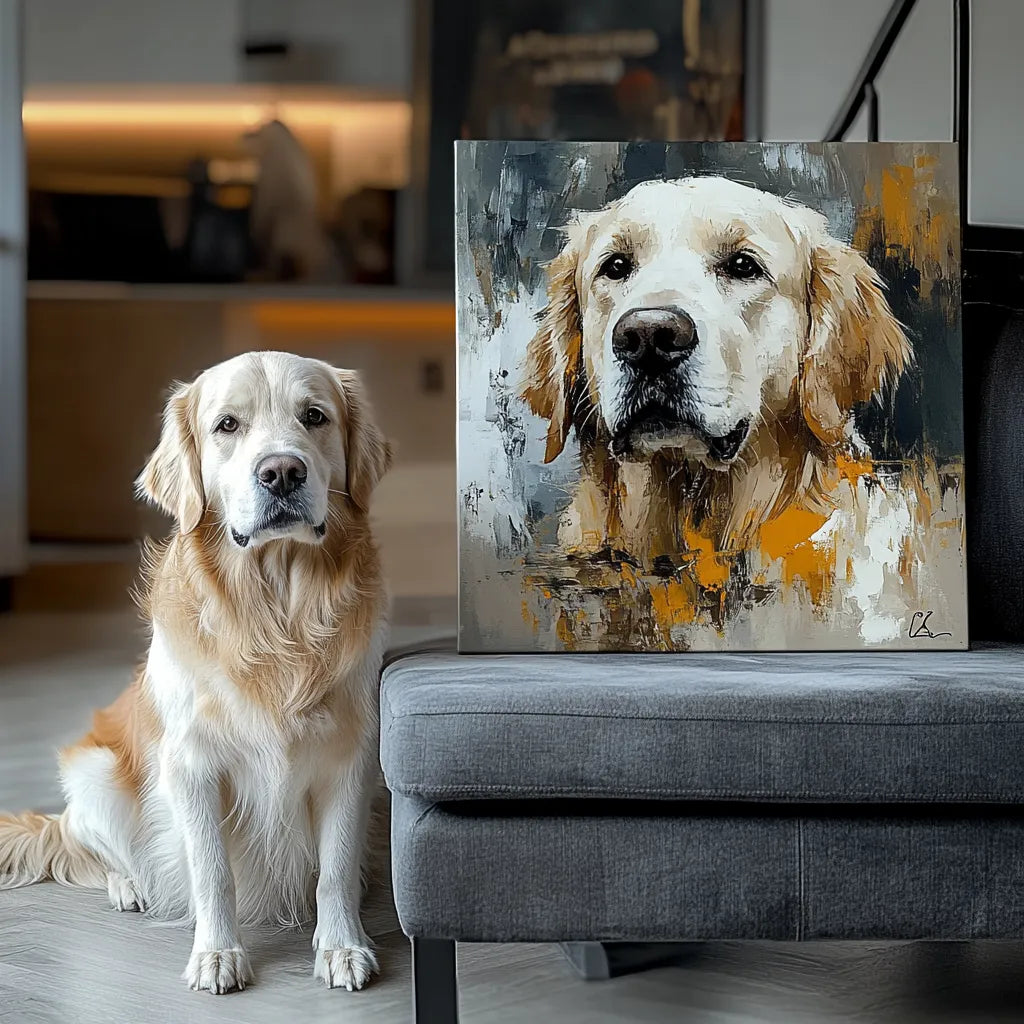
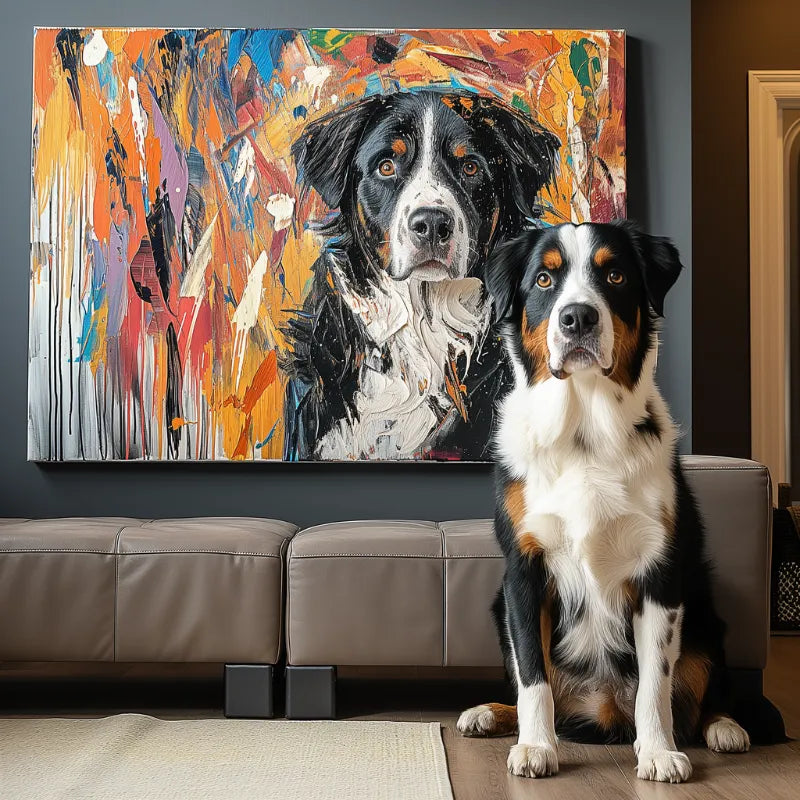
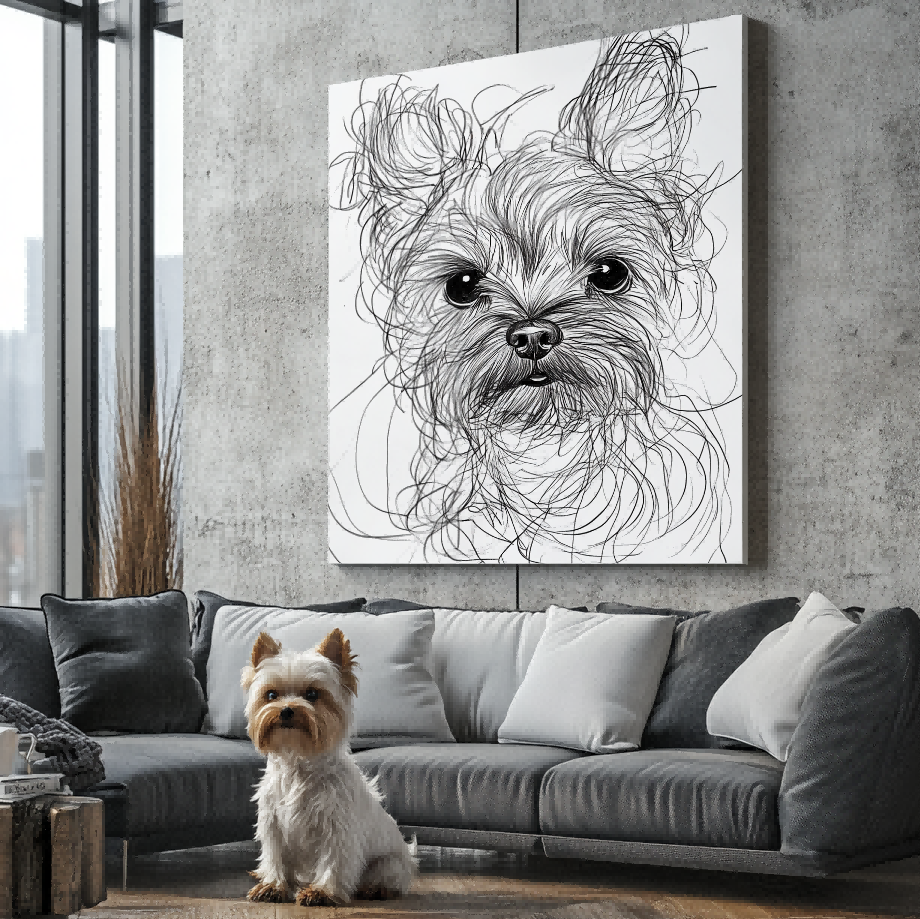
You can also review real artwork-stage examples in the Customer Preview Gallery. The examples are for visual context, not a substitute for the facts visible in your own photo.
Where to go next
When the reference decision is made, explore the current custom pet portrait collection. Check live product pages for current options and facts; this guide is limited to selecting and evaluating an older photo.
Frequently asked questions
Does an old photo have to be high resolution?
Not necessarily. It needs enough visible information to recognize the pet. Inspect the largest original available before making that judgment.
Can a second photo help?
It can help when it clarifies a real, visible feature. It should not be used to invent a different pose or competing composition.
Will an old photo always work?
No. If key features are hidden, blurred, or absent, use a clearer reference when possible rather than assuming missing information.
Make a decision you can explain
Before moving on, say in one sentence why this is the chosen image: perhaps it shows the familiar expression, a clear face, or a specific marking that other photos miss. If that sentence relies on features that cannot actually be seen, the photo needs a more useful supporting reference or a different role in the decision.
Final takeaway
An older pet photo can carry real meaning and still be a usable reference. Choose it when visible features remain clear, support it carefully when a second image genuinely clarifies something, and avoid treating sentiment as proof that unseen details can be reconstructed.


