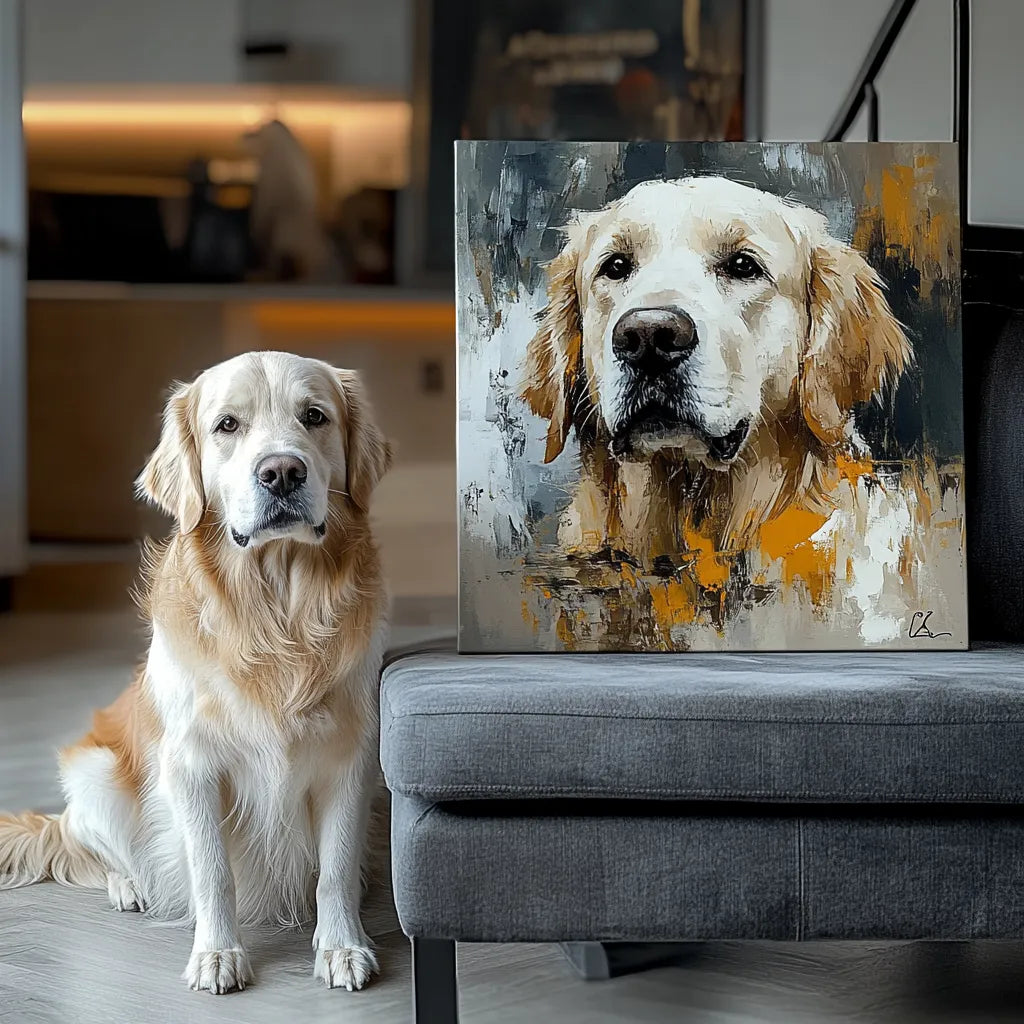
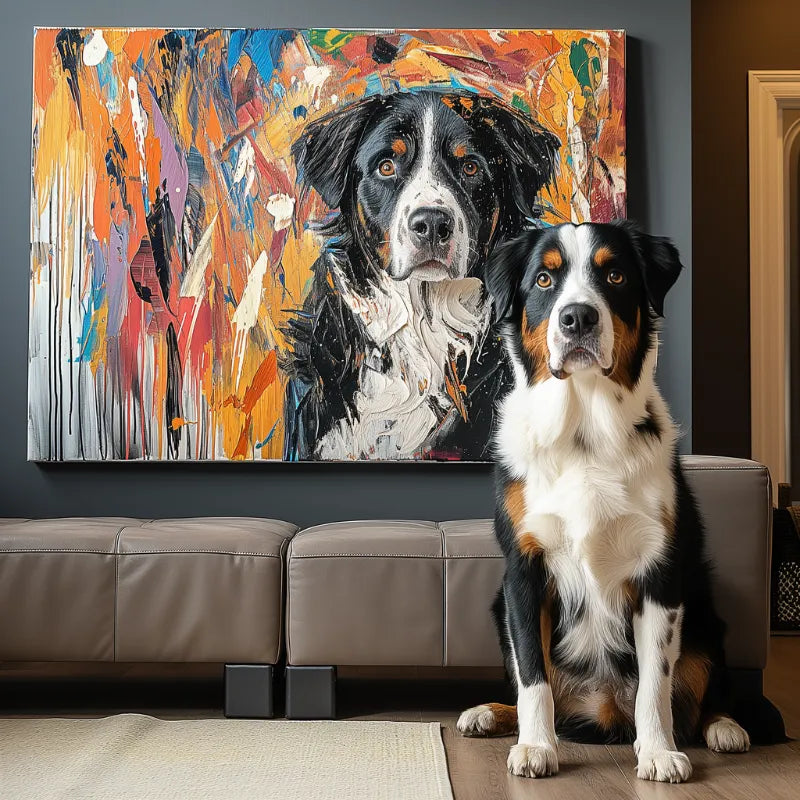
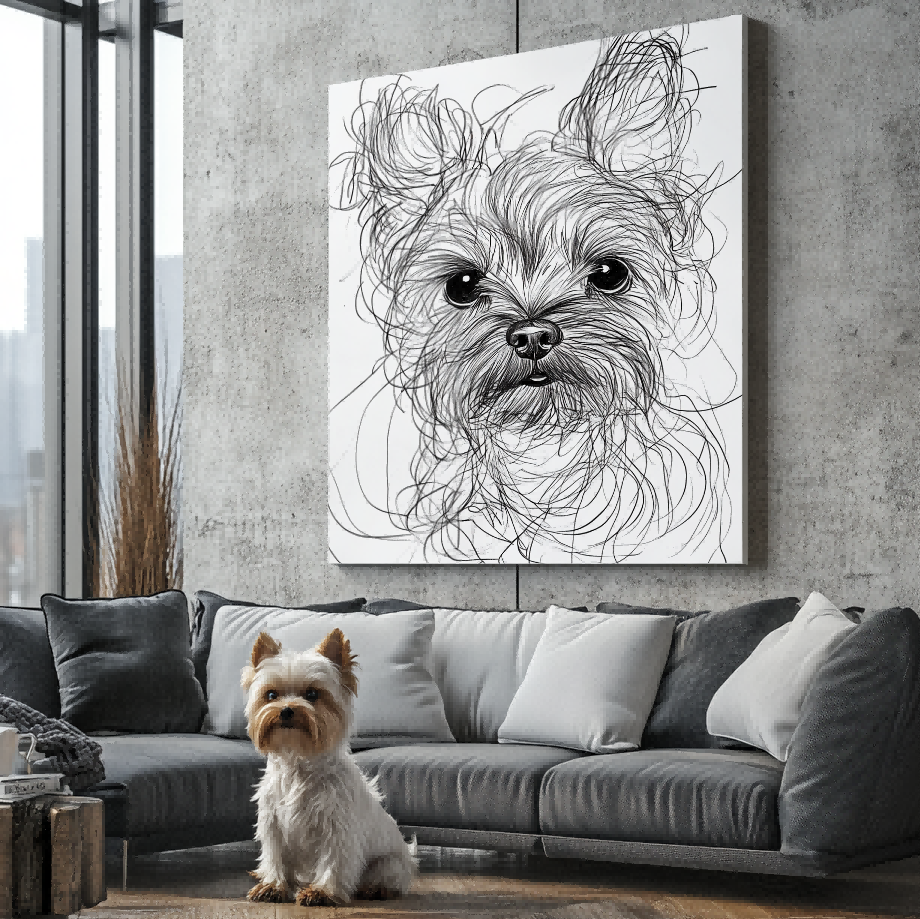
A pet portrait feels like the real pet when the details that people recognize first have not been treated as generic decoration. That may be an eye shape, a familiar ear position, a patch of fur, a muzzle shape, or an expression that instantly feels familiar. A polished image can still feel wrong if the distinctive details are missing. Conversely, a simple interpretation can feel deeply recognizable when it keeps the features that carry the pet’s identity.
This is a likeness checklist, not a promise that any specific result will be achieved. It helps you identify what you want an artwork decision to protect and where the available reference information is clear enough to discuss. Photo selection and customer-preview review are separate stages with their own guides.
Recognition begins with the features people notice first
Start with the face. Look at the relationship between the eyes, nose, muzzle, ears, and the outline of the head. Then notice markings, coat transitions, and the expression that makes the pet feel like itself. These details do not need to be exaggerated. The point is to recognize which ones would feel like a loss if they disappeared.
The distinctive-markings guide focuses on one important part of that process. If the core issue is choosing the strongest source image overall, use the best-photo checklist rather than asking this outcome page to replace a photo-selection decision.
Expression can matter as much as sharpness
A technically sharp image is helpful, but it is not the only thing that makes a portrait feel familiar. A relaxed look, an alert gaze, or an expression associated with a daily habit can provide identity that a more polished but less characteristic image does not. If you have several references, compare them for visible information and for the feeling they preserve. Supporting photos may clarify details, but they should not be used to invent a pose or combine unrelated moments.
For the separate question of whether different source photos can be combined, use the separate-photo composition guide. That is an arrangement question, not a likeness shortcut.
Use customer-preview material for the right question
Preview material can be useful when you want to understand what an artwork-stage review may look like. It should not be treated as proof of an individual outcome, nor should it replace the reference-photo decision. The customer preview checklist is the relevant guide once there is an artwork-stage example to consider.
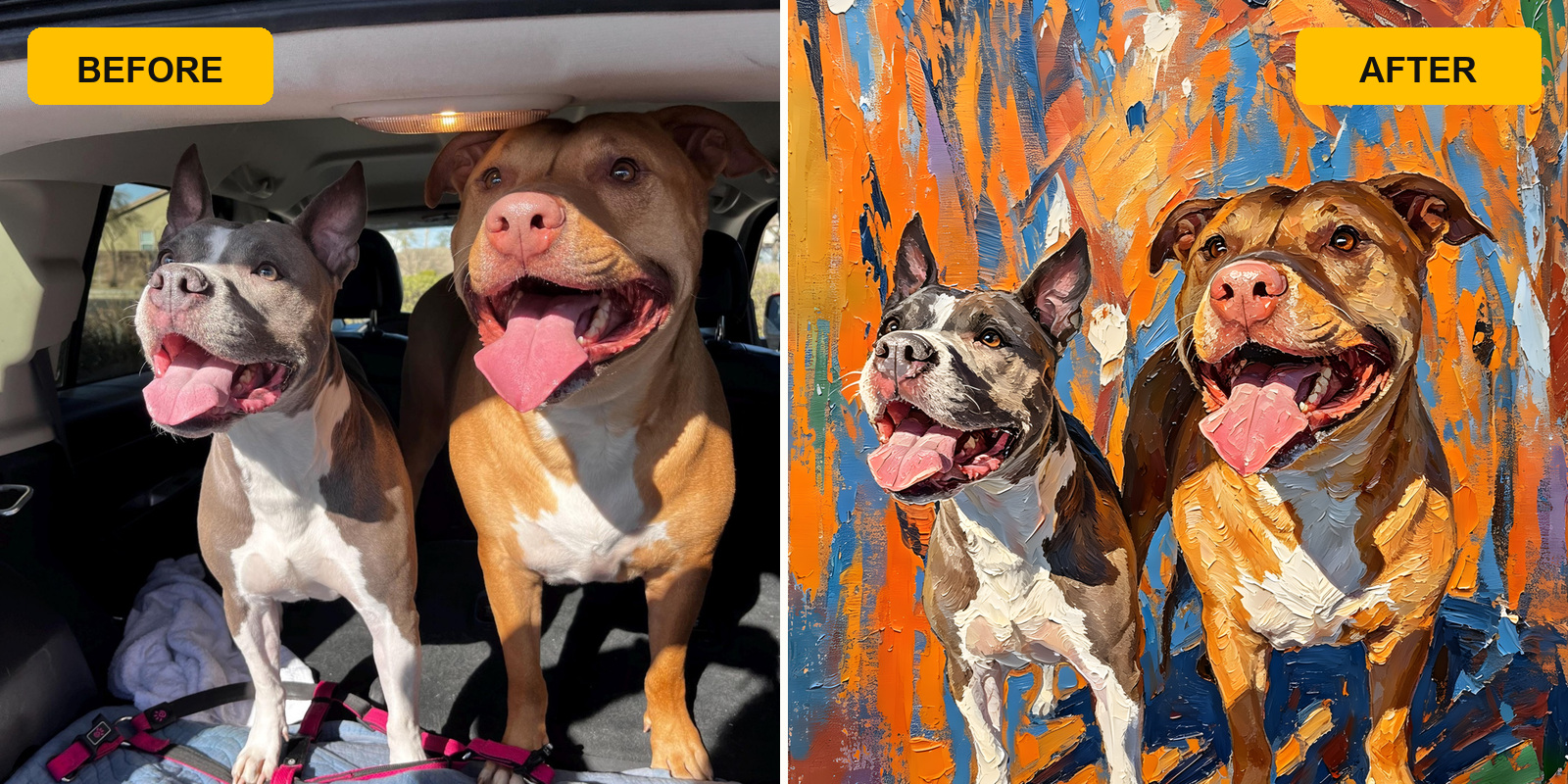
Real examples can also show why a clear feature matters. The before-and-after examples is a visual-evidence resource. Read it as context for the general question, not as a claim that every pet or photo will follow the same path.
Keep expectation and availability separate
This page can help you name the details that make a pet recognizable. It cannot confirm current product options, available formats, or order-specific outcomes. When you have a clear sense of the features and visual direction that matter to you, use the live collection for current information and make decisions there without relying on assumptions from a blog post.
Frequently asked questions
Is a photorealistic style the only way to achieve likeness?
No. Likeness is about recognizable identity. Different visual approaches can still preserve the features and expression that matter most.
Should I submit every photo I have?
More images are not automatically better. Start with the clearest, most characteristic reference and use supporting images only when they clarify a real detail.
Can a preview settle every question?
A preview can support an artwork-stage review, but it does not replace checking live information or discussing order-specific choices through the appropriate channel.
Final takeaway
A pet portrait looks like the real pet when its visible identity remains central: face, expression, markings, and the details that make the animal familiar to the people who know it. Once you have identified those details, use the current portrait collection for live choices without treating this educational checklist as an order guarantee.
Write down the details you would miss
A practical preparation step is to name two or three details that a friend would recognize immediately: a patch above one eye, an ear angle, a familiar expression, or a distinctive coat transition. That is more useful than a vague request for something to look “real,” because it gives the likeness question a visible basis.
Keep the list anchored to what the reference actually shows. An educational guide should not encourage guessing hidden details, inventing a pose, or turning an uncertain memory into a factual claim.
When two images show different useful details, note which one supports each detail rather than assuming that every element can be transferred. This keeps the visual question honest: recognition comes from evidence that is visible, not from an imagined version of the pet.