

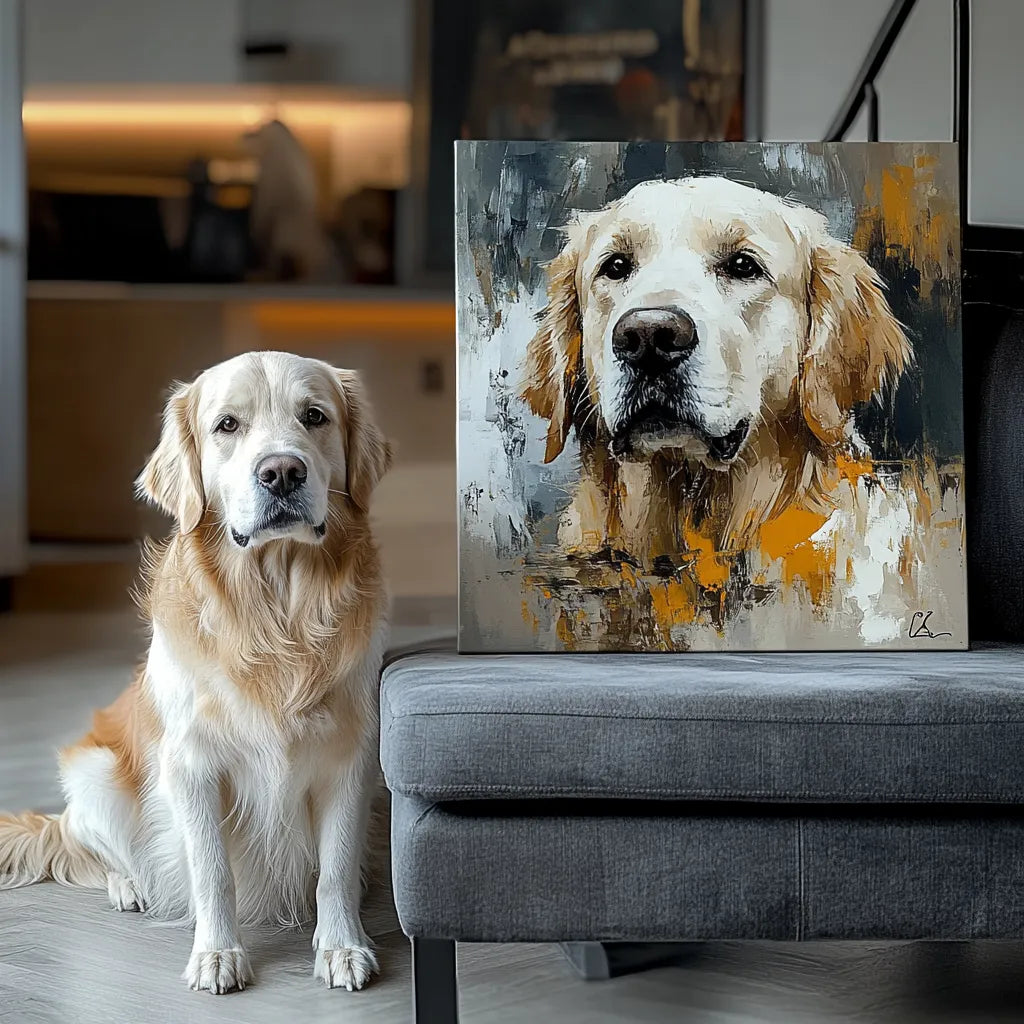
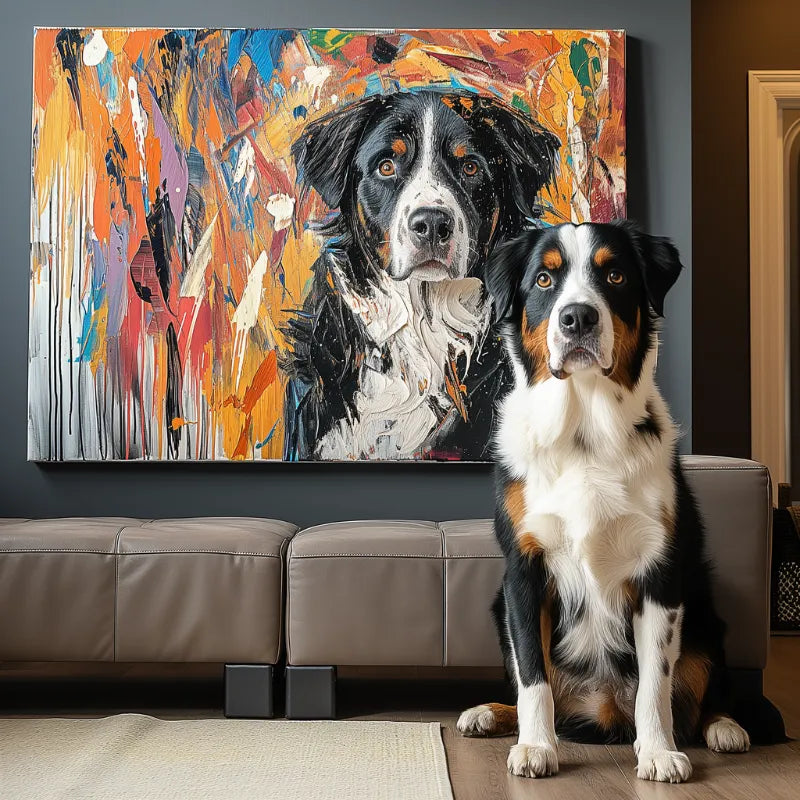

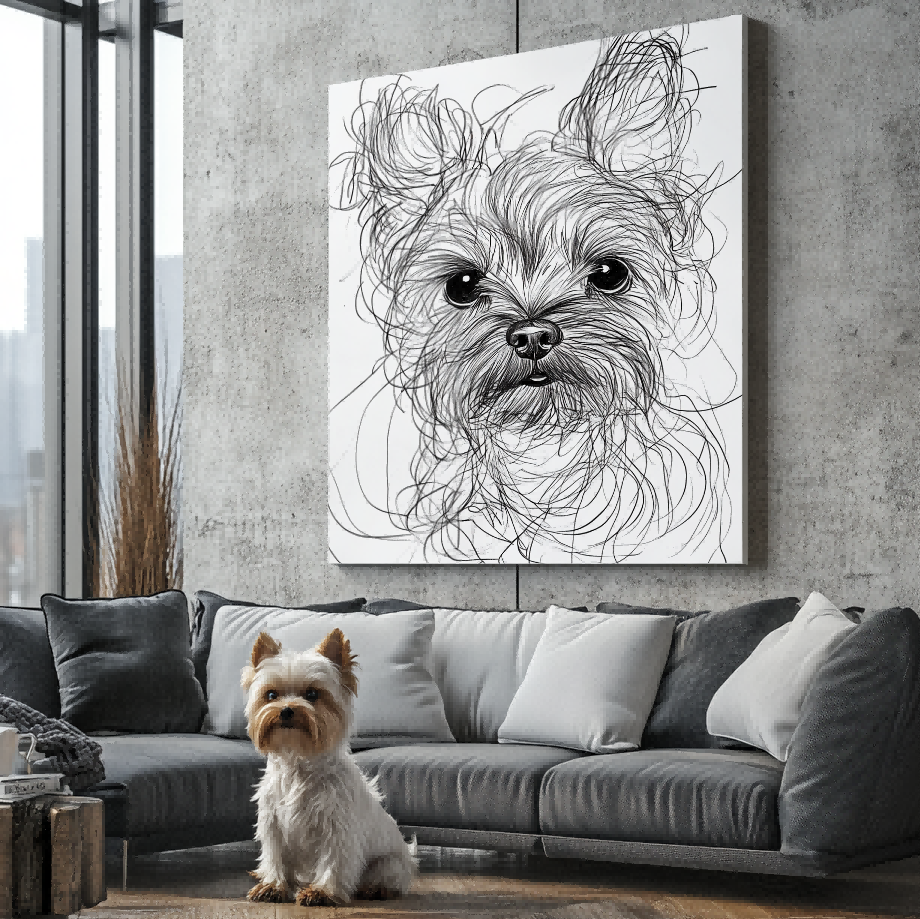

Camera rolls often hold meaningful pet, family, travel, and everyday photos that are rarely seen beyond a phone screen.
Turning one of those images into canvas wall art can give it a more visible place in the home.
The decision works best when the photo, intended size, surface, and display context are considered separately.
A printed canvas can change how often a meaningful image is seen, while the current product listing remains the authority for construction and display details.
For pet-focused examples, compare the current Custom Pet Portrait Collection after reviewing whether the source image clearly shows the subject.

What Actually Are Canvas Photos?
Canvas photos are digital images printed on a woven canvas surface and prepared for display. Construction and hanging details vary. The guide to what an art canvas is explains the surface without assigning one construction method to every product.
Compared with a paper print, canvas offers a visible woven texture and a different display experience. Framing, edge treatment, and hanging method depend on the specific product.
Canvas remains a familiar format for personalized wall art because photographs and illustrations can be adapted to a range of room styles and display sizes.
Canvas printing can turn a digital image into wall art without requiring the image to remain on a screen. Maximum dimensions and finishing options must be confirmed on the current product listing.

Canvas vs. Paper: What's the Difference (and Why It Matters)
The practical difference between canvas and paper depends on texture, detail, protection, and intended display.
Paper can emphasize fine detail, while canvas introduces a visible weave and a different surface character.
Paper photos are sharper. Paper allows for sharper details and more precise color reproduction. If your photo has fine details or subtle textures, paper might be the better choice because the canvas weave can compete with or distract from those details.
Canvas photos have texture. The woven surface adds depth that paper can't replicate. The ink gets deeper into the fabric, making colors pop in a way that feels more like art than a photograph.
Canvas and paper require different care. Neither format should receive a fixed lifespan promise without product-specific evidence.
Canvas photos are easier to hang. No frame needed. Just put it on the wall.
For pet portraits especially, canvas just feels right. The texture complements fur, the depth adds life to their eyes, and it doesn't look like a cheap poster.

What's Trending with Canvas Photos in 2026
Several current décor directions can help frame the decision without dictating one universal style.
Oversized statement canvases are everywhere. Instead of gallery walls with a dozen small frames, people are going with one bold piece that commands attention.
Calming color palettes are leading the way. Soft neutrals, earthy greens, ocean blues, and warm terracotta tones. Buyers often struggle with stress and visual noise in their environment—canvas art in gentle palettes can actually reduce that tension.
Personalized and custom pieces are huge. Mass-produced prints are being replaced by meaningful pieces—family photos, travel memories, and pet portraits turned into art. Custom canvas prints let you turn everyday memories into timeless décor.
Textured wall art is in demand. People want canvases that feel like art, not just flat prints. The natural weave of canvas adds that tactile quality.
Story-driven walls are replacing single pieces. Instead of one random print, people are curating collections that tell a story.

How to Pick the Right Photo for a Canvas Print
Not every phone image is equally suitable for enlargement. The pet portrait photo checklist helps evaluate clarity, lighting, expression, and visible markings before ordering.
Use the original file, avoid compressed screenshots, and preserve useful space around the subject.
Resolution matters. A lot. For a smaller canvas like 8×10 or 12×16, you want at least 1800×2400 pixels at 150 DPI. For larger prints like 16×20 or bigger, aim for 2400×3000 pixels or higher. The best resolution for canvas prints is 300 DPI.
Avoid screenshots and social media downloads. They're compressed and usually too low-res. Use the original photo from your camera.
Look for good lighting and contrast. Photos with a clear subject, strong lighting, and good contrast work best on canvas. Natural light is your friend.
Think about composition. If your photo has a lot of negative space, it might work well with certain edge designs. If it's busy, the canvas texture might compete with the details.
Don't stretch small images. If you try to print a low-res photo on a large canvas, it'll look pixelated and blurry.
If photo quality is uncertain, use the clearest original file and review the artwork preview carefully. Do not assume that a blurry or low-detail image can always be repaired.

What Makes a Good Canvas Photo Print?
When comparing a canvas photo product, check the verified material, print description, available sizes, display option, preview process, and current care guidance.
Canvas material matters. Palette Tales verifies 13-oz cotton canvas for its canvas portrait options; other product categories have separate material facts.
Construction matters. Do not assume any specific frame material unless the selected listing verifies it.
Printing information matters. Palette Tales uses fade-resistant printing, but that does not mean UV-proof, permanent, or evidence of a fixed lifespan.
Gallery wrapping matters. The image should wrap around the edges of the frame for a clean, professional look.
Finish information matters. Use only the finish or coating details confirmed on the current listing.
Useful comparison points include verified canvas material, professional printing, available display format, fade-resistant printing, and a sufficiently clear source photo.

Why I Keep Ordering from Palette Tales
Palette Tales offers personalized portrait artwork created from customer photos. Verified canvas portrait facts include 13-oz cotton canvas and fade-resistant printing, while size, frame, assembly, and display options vary by listing.
An artwork preview is generally sent within 1–2 business days. Unlimited edits are supported during the preview stage, and a refund may be requested before approval or before the 48-hour review window ends and production begins.
These facts support a comparison without claiming an unverified personal purchase history, permanent durability, or free repair of blurry photos.
A Few Things I Learned the Hard Way
- Measure the display area first. Use the custom pet portrait size guide and confirm current listing options.
-
Use the highest resolution photo you have. The better the original, the sharper the print.
-
Don't go too cheap. The cheapest option is rarely the best. You get what you pay for.
-
Consider going frameless. Gallery-wrapped canvases look great on their own, especially in modern spaces.
- Plan the display location. Limit prolonged direct sunlight and follow the canvas picture care guide.
FAQ – Canvas Photos
1. What are canvas photos?
Canvas photos are digital images printed directly onto canvas fabric and stretched over a wooden frame. They come ready to hang without needing glass or additional framing.
2. What's the difference between canvas photos and paper prints?
Canvas photos have texture, are more durable, don't need glass, and are easier to hang. Paper prints are sharper and better for fine details but are more delicate and require framing.
3. What resolution do I need for a canvas photo?
For small canvases (8×10, 12×16), aim for 1800×2400 pixels at 150 DPI. For larger prints, aim for 2400×3000 pixels or higher. The best resolution is 300 DPI.
4. How should canvas photos be cared for? Limit prolonged direct sunlight, avoid unverified cleaners or moisture, and follow product-specific care guidance. Do not assume a fixed lifespan.
5. Can I turn any photo into a canvas print?
Most photos work, but high-resolution images with good lighting and contrast look best. Low-res photos can appear pixelated when enlarged.
6. What sizes are available for Palette Tales portrait options? Sizes vary by current listing. Confirm the selected product before ordering.
7. What's a gallery wrap?
A gallery wrap is when the image wraps around the edges of the wooden frame, creating a clean, frameless look that's ready to hang.
8. Where can I get custom canvas photos online?
You can find options on Etsy, Amazon, Shutterfly, and specialty sites. Browse Palette Tales' full portrait collection here.
Photos that carry personal meaning can become more visible when they are thoughtfully prepared for wall art.
Start with the original file, choose a realistic size, and review the current product information before ordering.
When the subject is a pet, the Custom Pet Portrait Collection provides the commercial destination after the educational decision is complete.


