



I'll be honest—I thought paint pens for canvas would be simple. You buy a set, you draw on the canvas, you're done. Easy, right?
Wrong.
I tried five different sets before I figured out what actually works. Some bled through the fabric. Others dried out halfway through a project. One set I bought had colors that looked nothing like the caps—I ended up with a neon green cat instead of the soft grey I was going for.
So I did what any reasonable person would do: I got annoyed, did a bunch of research, and wasted more money testing different brands. Here's what I actually learned about paint pens for canvas—the good, the bad, and the stuff I wish someone had told me from the start.
If you're thinking about creating something special for your walls, check out all the portrait styles Palette Tales offers—it might give you some inspiration for what's possible.

The First Thing: Not All Paint Pens Are the Same
When people talk about paint pens for canvas, they're usually talking about one of two things.
Acrylic paint pens are water-based. They dry fast, clean up with water, and work great on porous surfaces like canvas. The paint sits on top of the fabric and stays put once it's dry. These are the ones most beginners should start with. They're forgiving, low-odor, and you can layer colors without waiting forever.
Oil-based paint pens are a different beast. The paint takes longer to dry, smells stronger, and you need solvents to clean up. But they bond more aggressively to surfaces and give you bolder, more permanent results. If you're painting something that's going to live outdoors or get handled a lot, oil-based might be worth the hassle. For most canvas projects though? Acrylic is the way to go.
One artist I read put it simply: water-based pens work well if you're doing light sketches or colorful illustrations indoors. Oil-based pens are better if you want your art to be super bold and permanent.

What I Learned About Brands
There are a ton of brands out there. Some are great. Some are… not.
Posca kept coming up in everything I read. Artists love them. They're water-based, non-toxic, lightfast, and their performance after drying varies by product and surface. The ink won't bleed through paper, and they work on pretty much any surface—canvas, wood, glass, metal, plastic. I tried a set and yeah, they're good. Not cheap, but you get what you pay for.
Sharpie makes oil-based paint pens that are decent if you're on a budget. They're not as smooth as the premium brands, but they get the job done for basic projects.
Betem is another one I tested. Their dual-tip pens have a fine tip for details and a broader tip for filling in areas. The colors are vibrant and the ink flows smoothly. The downside? Some colors—especially whites and darks—need multiple layers to get full coverage. And you have to store them horizontally or they dry out.
Artistro makes paint markers with highly pigmented Italian acrylic ink. Their medium-point pens are good for both fine details and filling larger areas.
The consensus from most guides I read? Posca is the all-around best, Molotow is great for bold coverage, and Sharpie is the budget pick.
If you're curious what kind of artwork you can create with these tools, browse the full portrait collection on Palette Tales—it might give you some ideas for your own projects.

The Practical Stuff Nobody Tells You
Here's what I learned the hard way.
Shake the pens. Seriously. You have to shake them before using, with the tip facing down, then pump the tip on a piece of scrap paper to get the paint flowing. I didn't do this with my first set and wondered why nothing came out. Felt stupid.
Start with lighter colors first. If you have two different colors next to each other, let one dry completely before applying the next—otherwise they'll run into each other. Work in layers. Build up from light to dark.
Test on a small area first. Canvas is textured and different brands behave differently on it. What works on paper might not work the same way on canvas.
Use a light touch. If you press down too hard, the tip can scratch the canvas and the paint won't flow well. Hold it like a regular pen and let the paint do the work.
Prime your canvas if you can. A primed or sealed surface helps the ink adhere better and prevents bleeding. Most store-bought canvases come pre-primed, but if you're using raw canvas, you'll want to add a layer of gesso first.
Store them horizontally. This keeps the ink from settling or drying out in the tip.

What I Ended Up Doing Instead
After all that testing, I realized something: using paint pens for canvas is fun for DIY projects, but for something I actually wanted to hang on my wall—like a portrait of my dog—I wanted professional results.
I could have spent hours trying to get the details right with paint pens. Or I could just order a custom canvas from someone who does this for a living.
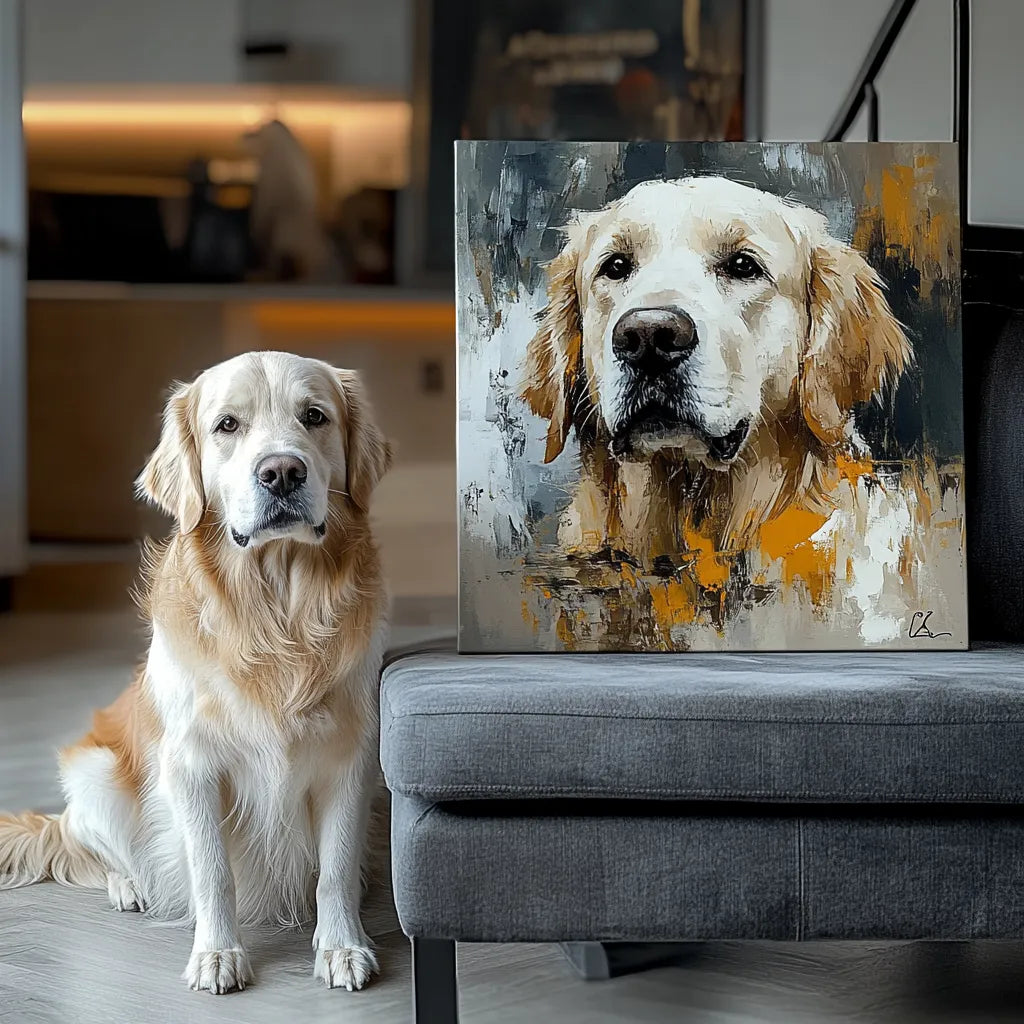
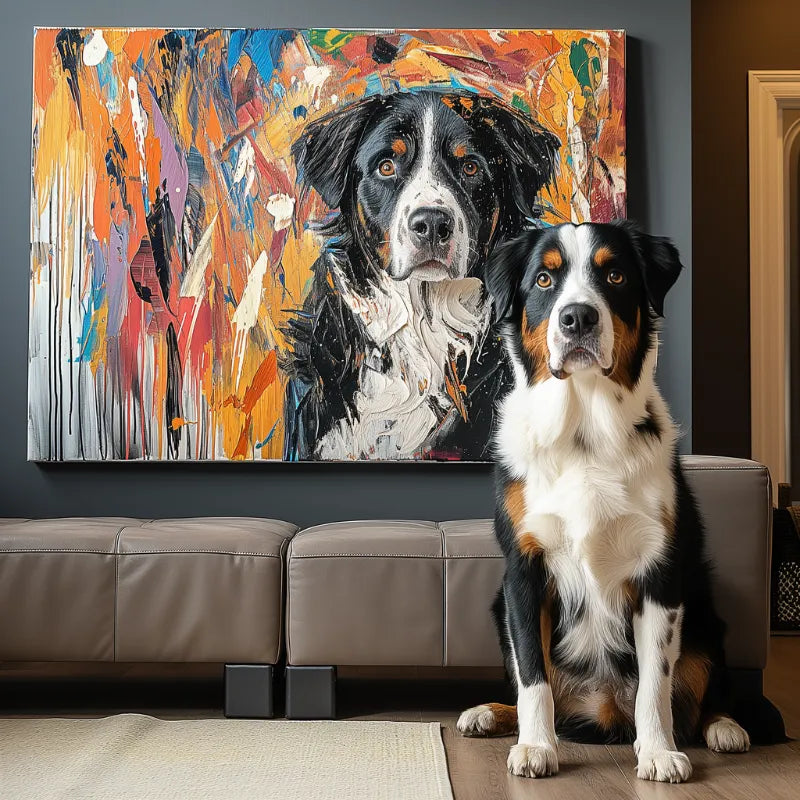
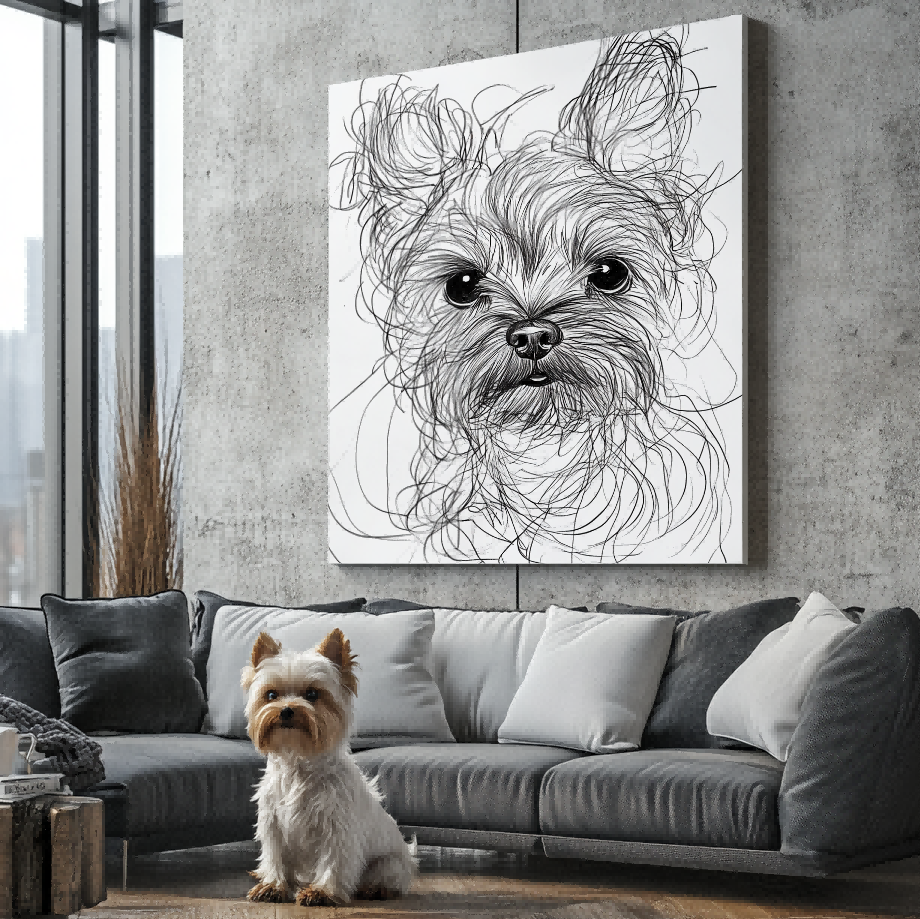
That's when I found Palette Tales. Instead of me fumbling around with paint pens and hoping for the best, they take a photo of my pet and turn it into a high-quality canvas print. No shaking pens, no layering colors, no testing on scrap paper. Just upload a photo, pick a style, and wait for it to show up at my door.
The canvas itself is 13-oz cotton, hand-stretched over wooden frames. No warping, no sagging. And they offer frame options starting at $29. Compared to the time and money I spent testing paint pens, the convenience alone was worth it.
Paint Pens vs. Custom Canvas: Which One Makes Sense?
Here's my honest take after going through both:
Paint pens for canvas are great if:
-
You enjoy the process of making art yourself
-
You want to personalize something with your own hand
-
You're working on a small project or gift
-
You have the time to practice and get it right
A custom canvas (like from Palette Tales) is better if:
-
You want professional-looking results without the learning curve
-
You don't have the time or patience for trial and error
-
You want something that's going to last for years
-
You're doing a pet portrait or something sentimental
I still use paint pens for fun projects—decorating plant pots, making cards, adding details to stuff around the house. But for the portraits on my walls? I leave that to the pros. You can see the full range of portrait styles they offer and get some ideas for your own space.
FAQ – Paint Pens for Canvas
1. Can you use paint pens on canvas?
Yes. Acrylic-based paint pens work well on canvas and adhere to the textured surface. Oil-based pens can also work but take longer to dry.
2. What's the difference between acrylic and oil-based paint pens?
Acrylic pens are water-based, dry fast, clean up with water, and are beginner-friendly. Oil-based pens are more permanent, take longer to dry, and need solvents to clean up.
3. What are the best paint pens for canvas?
Posca is widely considered the best all-around option. Molotov is great for bold coverage, and Sharpie oil-based pens are a solid budget pick.
4. Do I need to prime my canvas before using paint pens?
It helps. A primed or sealed surface prevents the ink from bleeding and helps it adhere better. Most store-bought canvases come pre-primed.
5. How do I activate a paint pen?
Shake it with the tip facing down, then gently pump the tip on a piece of scrap paper until the paint starts flowing.
6. How long do paint pens take to dry on canvas?
Most acrylic paint pens dry within 10–30 minutes to the touch, but full curing can take up to 24 hours.
7. Can I layer colors with paint pens?
Yes. Acrylic paint pens dry quickly, so you can layer colors effectively. Start with lighter shades and build up to darker tones.
8. Where can I get a custom pet canvas instead of doing it myself?
Palette Tales offers custom pet canvases in multiple styles. They use 13-oz cotton canvas and wooden frames. Check out their portrait collection here.
I still use paint pens for fun little projects around the house. But for the stuff I actually want to hang on my walls and look at every day? I leave that to people who know what they're doing.
Visit www.palettetales.com to see their custom pet canvas options. Code WELCOME gets you 10% off your first order.


