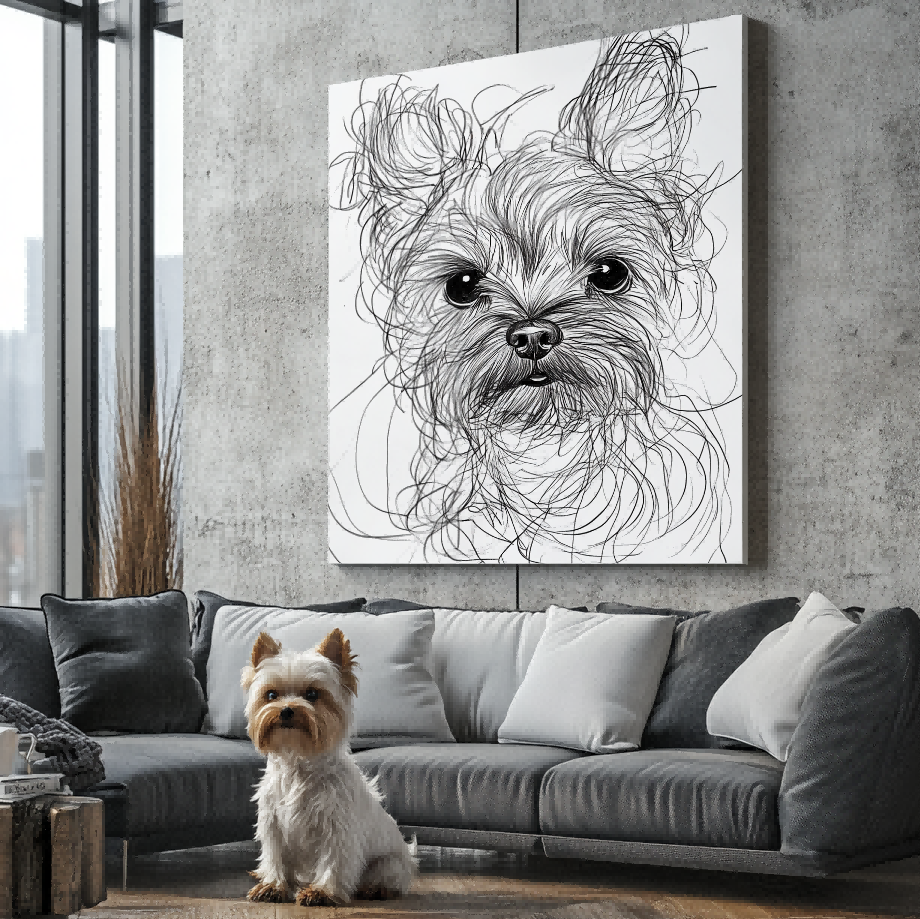
A pet memorial garden flag is a placement and remembrance decision before it is a product decision. A small outdoor display can feel personal because it is part of a familiar garden, path, or entry routine. At the same time, an outdoor setting creates practical questions that a general pet-portrait or gift guide cannot answer: where it will be seen, what visual details will remain clear at a distance, and what the current product page actually offers.
This guide is educational. It does not promise a particular format, option, result, delivery date, or outcome. Use it to clarify the decision first, then confirm any live details in the relevant collection.
Start with the question this decision is really asking
Decide where the flag would be viewed first, then use the current product page to verify live materials, size, and available options rather than relying on a general guide. That keeps the decision grounded in evidence rather than in generic gift language or a list of features that may not apply. A useful answer should make the next step clearer without pretending that one person’s memory, room, or relationship is identical to another’s.
For a related but separate question, use the garden flag buying guide. It is linked because it solves a different part of the decision; it should not be treated as a replacement for the focused question here.
Look for visible and personal evidence
Good decisions combine context with what is actually visible. Notice the pet’s expression, face shape, markings, posture, or a moment that feels characteristic. If the reference is uncertain, name that uncertainty rather than filling in details from memory. A meaningful direction is not the same as an instruction to invent information that the photo does not show.
The memorial photo guide can help with that adjacent decision. Keeping the two questions separate protects search intent and helps readers move through the topic without repeating the same advice on every page.

Keep live availability separate from the advice
Educational content is most useful when it does not pretend to be a product specification. Materials, sizes, available formats, and order-specific choices belong on the live collection or product page. This is especially important when the setting is outdoors, the gift is personal, or the reference carries memorial meaning. Read the current information before making assumptions from a blog article.
For more visual context, the display placement guide is the relevant supporting resource. It offers a related next step, not a promise that any example can be copied exactly.
Plan the next step without pressure
There is no need to turn every meaningful pet photo into a purchase. Sometimes the right answer is to save the reference, talk with the recipient, choose another gesture, or revisit the idea later. If the decision still feels clear after those questions, use the current garden flag collection to check the live options yourself. That sequence keeps personal meaning ahead of marketing language.
Frequently asked questions
Does this guide confirm that a particular request is available?
No. It explains how to think through memorial garden-flag decision. Confirm all current product and order details directly on the live collection or product page.
Do I need a perfect photo?
No. A useful photo is one that makes the pet recognizable enough for the decision you are making. If an image is meaningful but unclear, acknowledge both qualities instead of treating either one as the whole answer.
Can this decision be revisited later?
Yes. A careful decision can be paused. The purpose of this guide is to make the next question clearer, not to create urgency.
Final takeaway
Memorial garden-flag decision is most useful when it begins with the person, pet, and evidence already available. Once the educational question has been answered, verify current choices on the current garden flag collection without turning this article into an unsupported product promise.
Use a short decision record before proceeding
Write down three things: the question you are trying to answer, the evidence you actually have, and the one live detail that still needs confirmation. This helps keep memory, expectation, and product availability separate. It also gives more than one person a way to discuss a personal decision without treating a general article as a substitute for consent or current information.
If the answer depends on a hidden detail, a service promise, an exact material, or a date-sensitive option, pause rather than filling the gap with a guess. A careful choice stays useful when live options change because it is based on the person, the pet, and visible evidence instead of a frozen list of claims.
It can also help to name one reason not to proceed yet. The reference may not show enough detail, the recipient may need a different kind of gesture, or the intended display may still be unclear. Those are valid conclusions. They make any later decision more deliberate and keep the page from creating false urgency.