



Direct answer: The canvas painting mistakes documented here came from choosing a medium before thinking through the surface, drying time, blending, and the kind of result I wanted. Acrylic was the easiest place for me to start, but it did not solve every problem by itself.
I'm not a painter. Let's just get that out of the way.
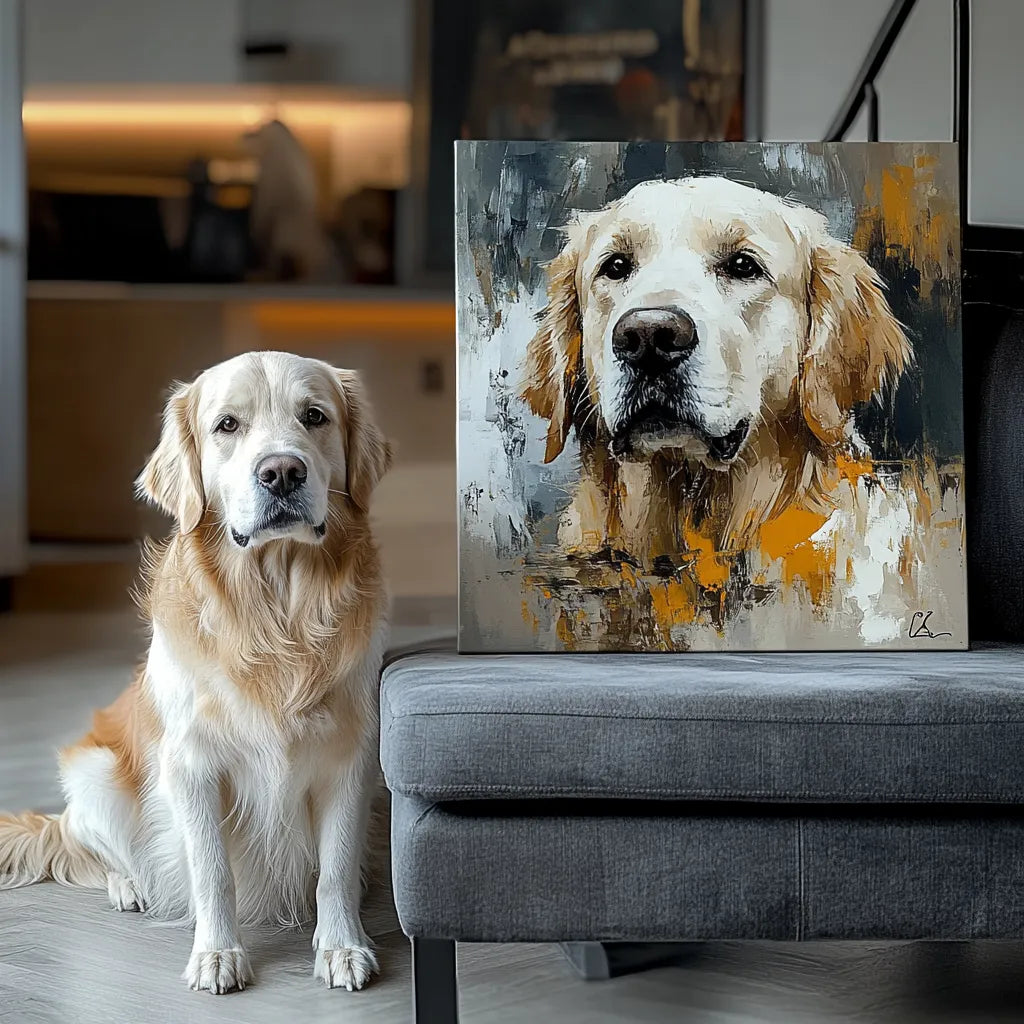
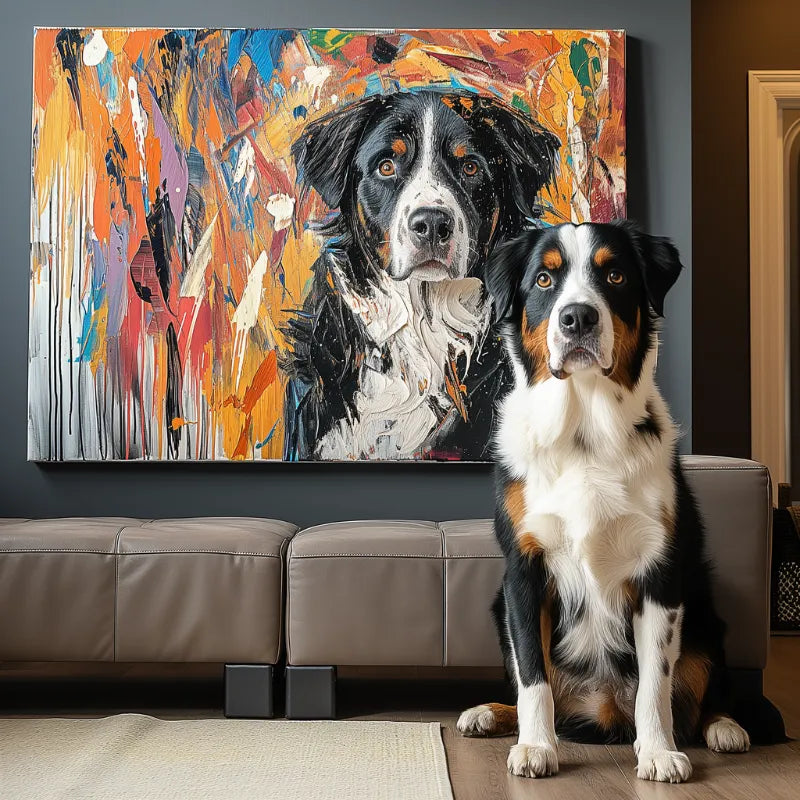
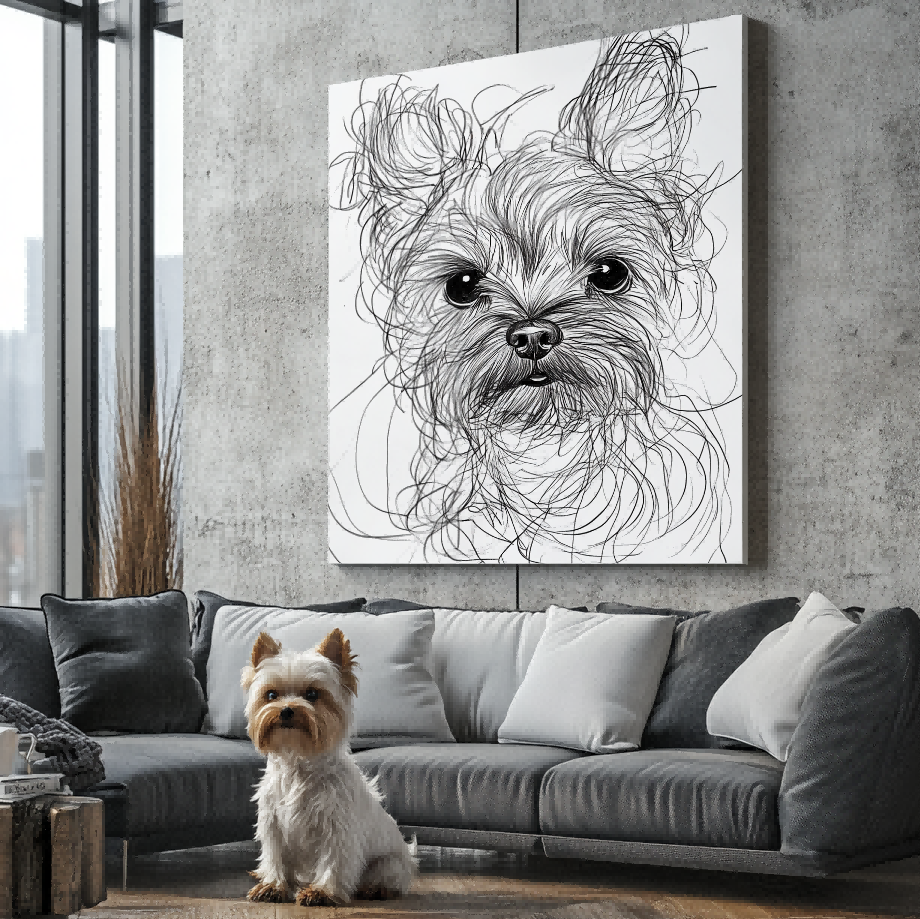
But a few months ago, I got it in my head that I was going to paint my own pet portrait. How hard could it be, right? I've got a photo of my dog, a blank canvas, and a YouTube tutorial. What could possibly go wrong?
Turns out, quite a lot.
The canvas painting mistakes I made first
I bought acrylics first. They dried before I could even blend anything. Then I tried oils. Beautiful, but I had to wait three days for it to dry. Then I tried watercolor on canvas, which was an absolute disaster—it just beaded up and ran everywhere.
So I did what any reasonable person would do: I spent too much money testing different paints, ruined a few canvases, and eventually figured out what actually works for the way I was trying to paint.
Mistake: Starting before the surface was ready
The clearest surface-preparation lesson came from watercolor. Canvas is not absorbent like watercolor paper, so the paint tended to bead up and run. Watercolor on canvas can work, but it needs a suitable watercolor ground first.
Most store-bought canvases come pre-primed with gesso. Raw canvas needs to be primed before painting. Checking that first would have saved me from treating every surface as if it would behave the same way. For a closer look at how canvas construction and preparation affect the surface, see this art canvas surface guide.

If you need the broader material overview before diagnosing a mistake, start with this complete guide to choosing paint for canvas.
Mistake: Choosing paint without considering the project
When people ask about the best paint to paint on canvas, they are usually comparing acrylic, oil, and watercolor. Each behaves differently, and I learned that the hard way.
Acrylic paint: the practical starting point
In my experience, acrylic was the easiest place to start—and there are practical reasons many beginners choose it. It is water-based, dries fast, and cleans up with soap and water. It can be used on canvas, wood, paper, and fabric.
What helped: It dries quickly, so colors can be layered without waiting days. It is versatile and affordable. If you make a mistake, you can paint over it after it dries. Heavy-body acrylics can also hold visible brushstrokes.
What frustrated me: It sometimes dried too quickly for the way I was blending. I could step away from the palette and come back to paint that was already drying. Blending was harder because I had to work faster.
Best fit: Beginners, shorter painting sessions, and anyone who does not want to work with oil-paint solvents.
Oil paint: more blending time, more waiting
In my experience, oil gave me more time to work, but it also required a much slower rhythm. The longer drying time gives you more time to blend and rework, and the colors can have a depth that looks different from acrylic.
What helped: I had more time to blend and adjust the paint instead of racing the drying surface.
What required planning: Oil paint needs appropriate cleanup materials, and drying takes longer. Thin applications may take about a day to become touch-dry, while thicker applications can take much longer.
Best fit: People who prefer slower sessions, extended blending time, and a traditional oil-paint look.
Watercolor on canvas: possible, but not straightforward
Watercolor was the most difficult option for me on canvas. The transparent effect can be attractive, but untreated canvas does not behave like watercolor paper.
What helped: A suitable watercolor ground can make the surface more workable.
What frustrated me: Without that preparation, the paint beaded and ran instead of absorbing into the surface.
Best fit: Experienced watercolor painters who understand how the prepared surface changes the way the paint moves.

For a closer side-by-side look at the media rather than the mistakes, use this guide to compare paint types and selection factors.
Mistake: Adding layers too quickly
Acrylic encouraged me to work quickly because it dried faster than oil. That speed was useful, but it also made timing part of the decision: paint that works well for fast layers is not automatically the easiest paint for slow blending.
Oil created the opposite planning problem. The extra working time helped with blending, but it also meant waiting longer before treating a layer as finished. The useful lesson was not that one drying speed is always better; it was that the medium's timing has to match the way you want to work.

Mistake: Trying to solve every problem by switching paint
I moved from acrylic to oil and then to watercolor because each new medium seemed as if it might fix the last problem. Instead, each one introduced a different learning curve. Changing paint did not replace the need to prepare the surface, understand drying time, and practice the technique.
After ruining a few canvases and wasting paint, I had a simpler realization: I was trying to learn too many variables at once.
What I would do differently as a beginner
- Check whether the canvas is already primed and whether the chosen paint needs a different ground.
- Use acrylic as a practical starting point when fast drying and easy cleanup matter.
- Choose oil only when the slower blending and drying rhythm fits the project.
- Use watercolor on canvas only after preparing the surface for watercolor.
- Test a small area before committing the whole canvas.
If the paint test is part of planning finished wall art, this guide to choosing and customizing pet portrait canvas art explains how format and display decisions fit into the finished piece.

When a complete paint comparison guide is more useful
This article is a first-person mistake log. It is most useful when you want to see how surface preparation, drying, and medium choice can go wrong in practice.
If your main question is simply which paint to choose, the broader guide above remains the primary overview. It compares the main options without turning this experience article into a competing “best paint” page.
If you already know the basic options and want more detail about quality and selection factors, the supporting comparison guide provides that narrower next step.
Questions about canvas paint mistakes
What is the easiest canvas paint for a beginner?
Acrylic is often the most practical starting point because it is water-based, dries relatively quickly, and cleans up with soap and water.
Is oil paint better than acrylic on canvas?
Not automatically. Oil gives you more blending time but requires a slower workflow and appropriate cleanup. Acrylic is faster and easier to clean up.
Can you use watercolor on canvas?
Yes, but the surface needs to be prepared with a suitable watercolor ground. Untreated canvas does not absorb watercolor like watercolor paper.
How long does acrylic paint take to dry on canvas?
Drying time varies with the product, thickness, and conditions. Acrylic usually dries much faster than oil, so follow the paint maker's guidance for the specific application.
How long does oil paint take to dry on canvas?
Oil dries more slowly than acrylic. Thin applications may become touch-dry sooner, while thicker paint can require substantially more time. Follow the product guidance before adding layers or handling the surface.
Do I need to prime a canvas before painting?
Many store-bought canvases are already primed. Raw canvas needs preparation, and watercolor requires a surface intended for that medium.
I tried to paint my own pet portrait and failed, but the process taught me to ask better questions before choosing paint. Acrylic was the easiest place for me to start. The bigger lesson was to match the paint, surface, and drying time to the project instead of expecting a different medium to fix every problem.
If you would rather begin with a pet photo than paint the canvas yourself, the custom pet portrait collection is the natural next step after this painting guide.


