

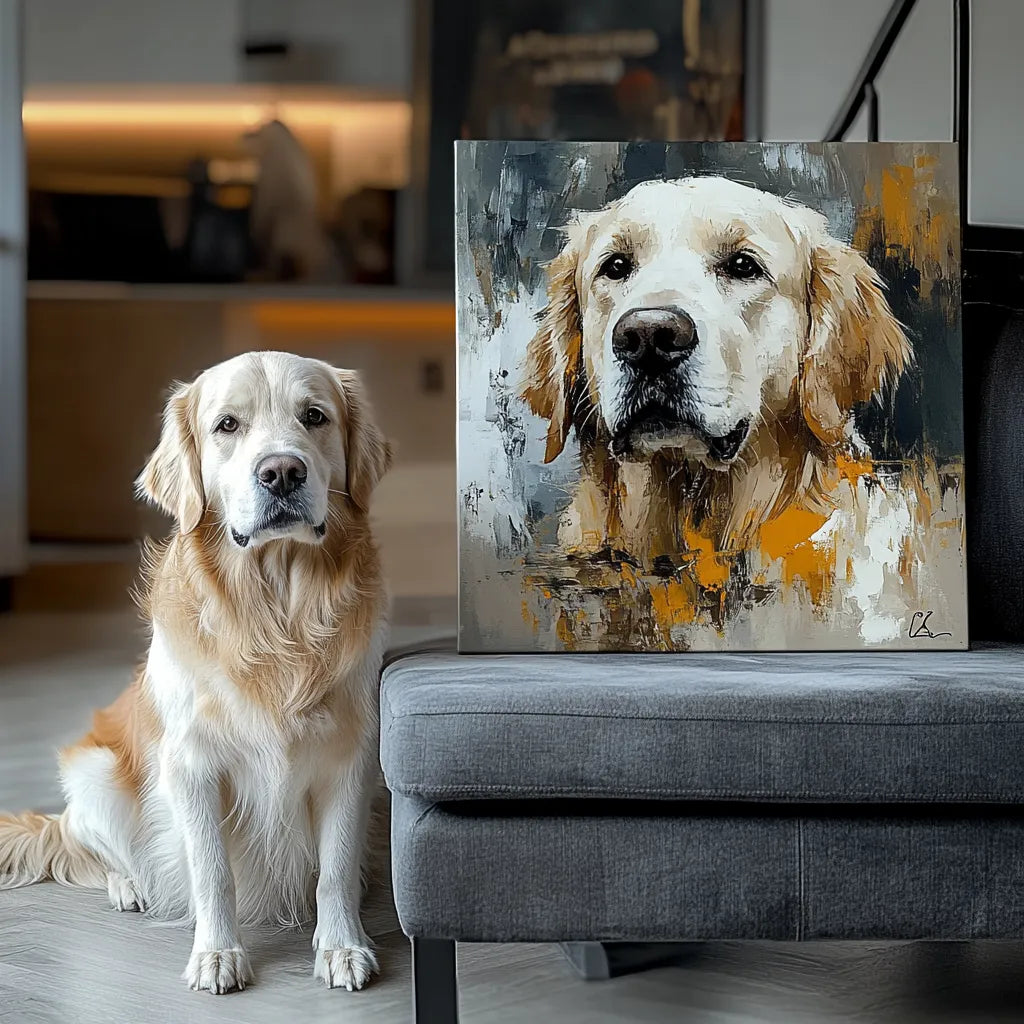
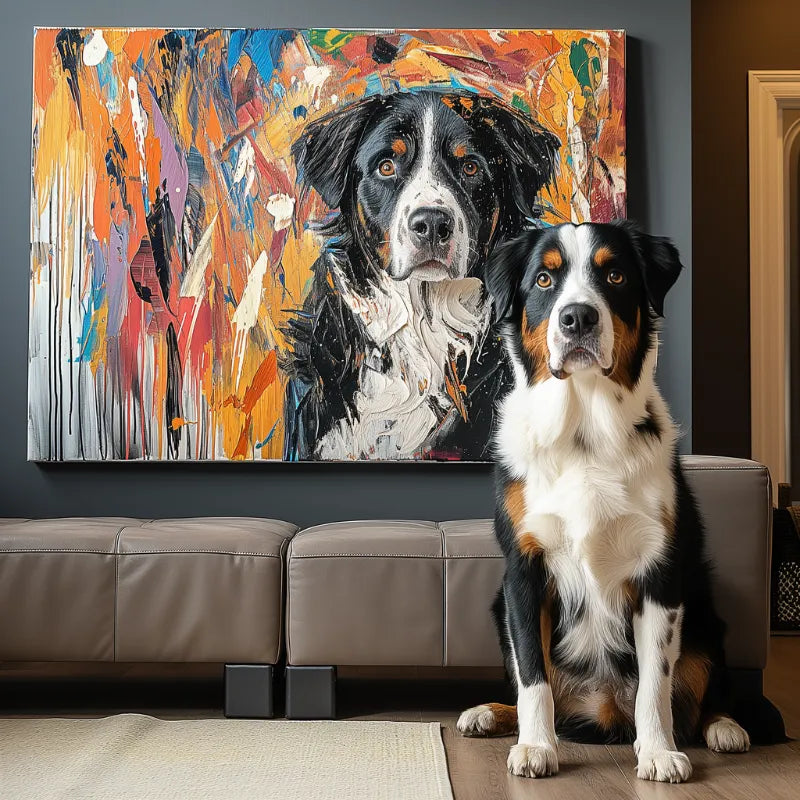

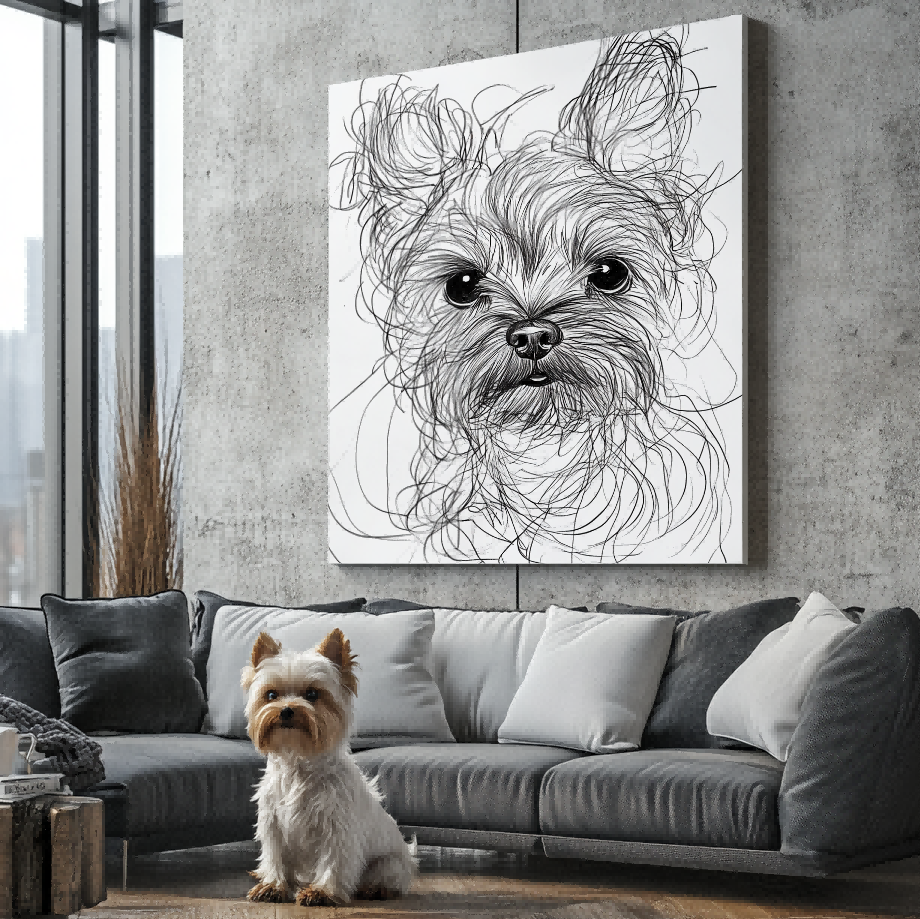

Direct answer: When a pet portrait is a gift, choose the style from the pet’s recognizable features and the recipient’s visible preferences rather than from a trend label. Look for clues in their home, the colors they wear or display, and the mood they usually choose. When you are unsure, a clear, pet-focused direction is safer than an elaborate style that depends on guesswork.
The pet portrait style-for-home guide remains the Owner for someone selecting a style for their own space. This page addresses the distinct gift-buyer problem: making a respectful choice when you do not have the recipient’s full design brief.
Start with the pet, not a style label
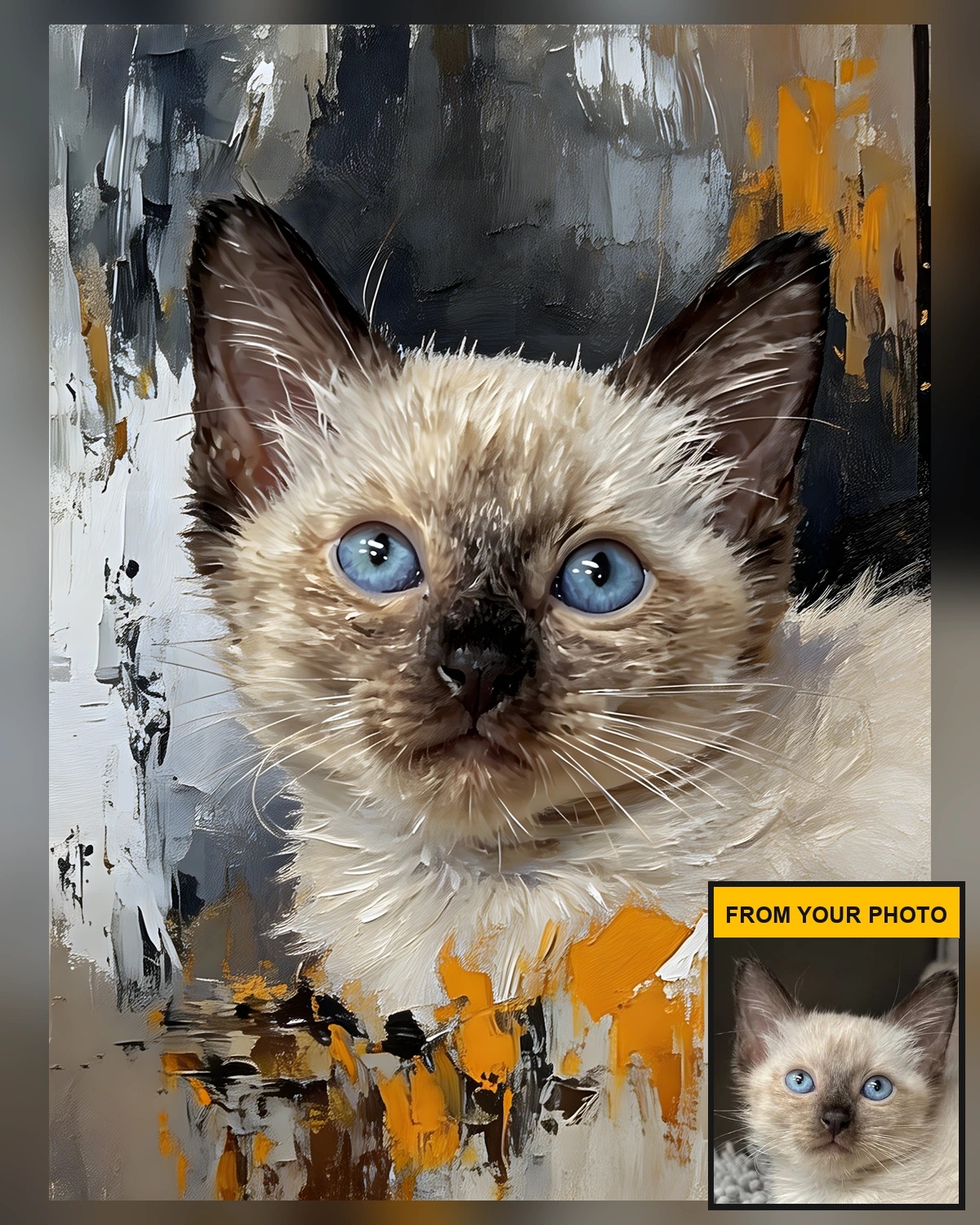
A gift feels personal when the pet is recognizable. Begin with a photo that shows a familiar expression, markings, and pose. Then ask what visual direction supports that pet without hiding the details people know best. A simple decision process is more useful than trying to make a portrait match every imagined room or personality trait.
Use the best-photo checklist before committing to a look. Style cannot compensate for a source image where the pet’s important features are not visible.
Look for concrete clues about the recipient
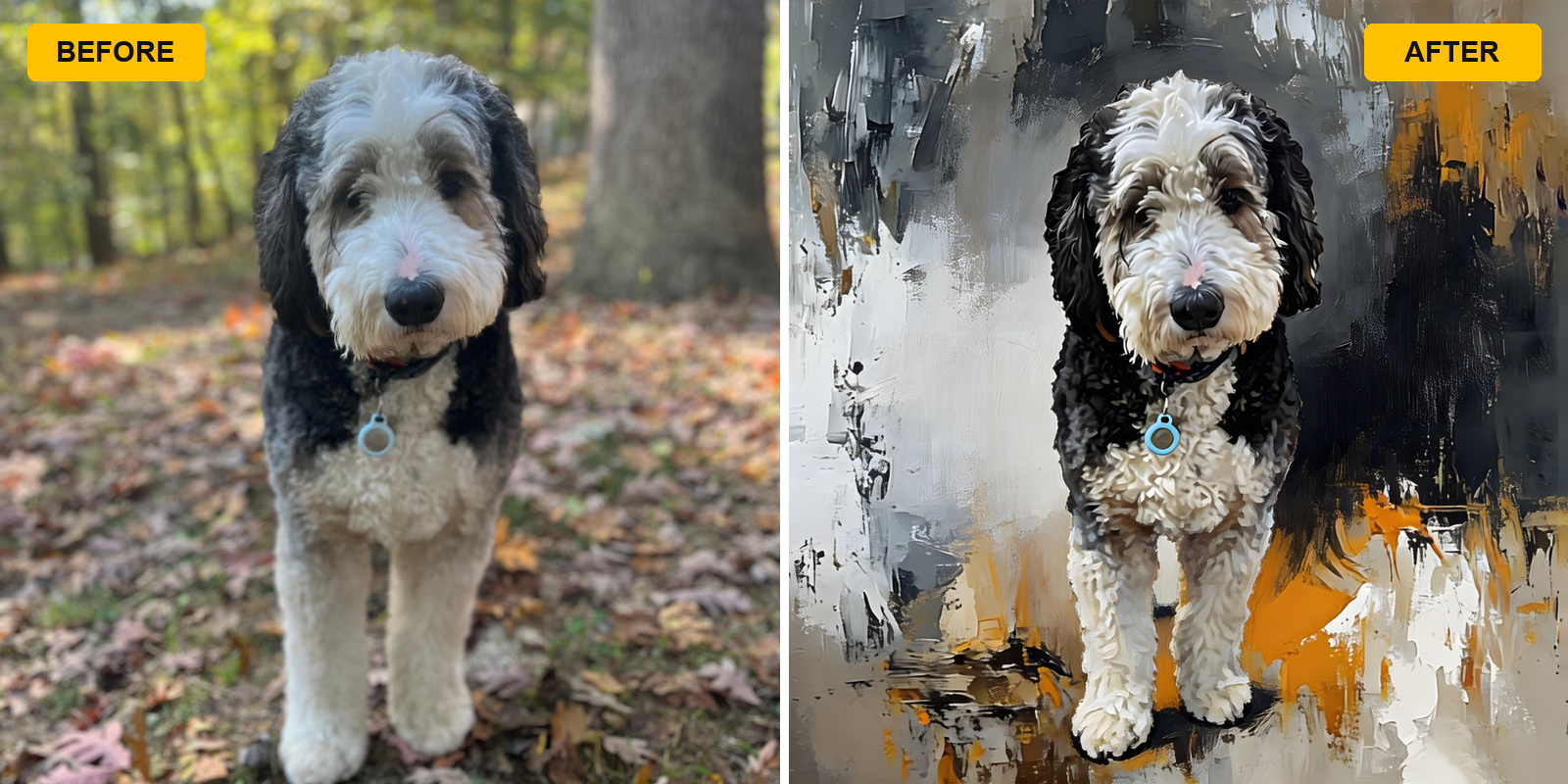
Notice the colors and level of contrast that appear in their living area, favorite objects, or shared photos. You do not need to investigate every room. One or two reliable clues can be enough: a calm neutral palette, a preference for bolder color, or a home that already uses simple framed art. When those clues are missing, choose a direction that keeps the pet central rather than a highly specific decorative statement.
For a current gift-context decision that is tied to an occasion, read the wedding gift guide for pet-loving couples. That guide is occasion-specific; it does not replace this recipient-preference decision.
Keep a surprise from becoming a guess
A surprise works best when the giver has enough dependable information: a good photo, a clear sense of the pet’s character, and a realistic idea of the recipient’s preferences. If you cannot confidently choose a highly personal look, stay with a pet-focused, readable visual direction. Avoid implying that the gift includes people or a couple unless a live product expressly supports that capability.
The preview and revision process explains the separate artwork-review stage. It should not be used as a promise about timing, revisions, or a result beyond the current product terms.
Gift-style checklist
- Use a clear photo where the pet’s familiar features are visible.
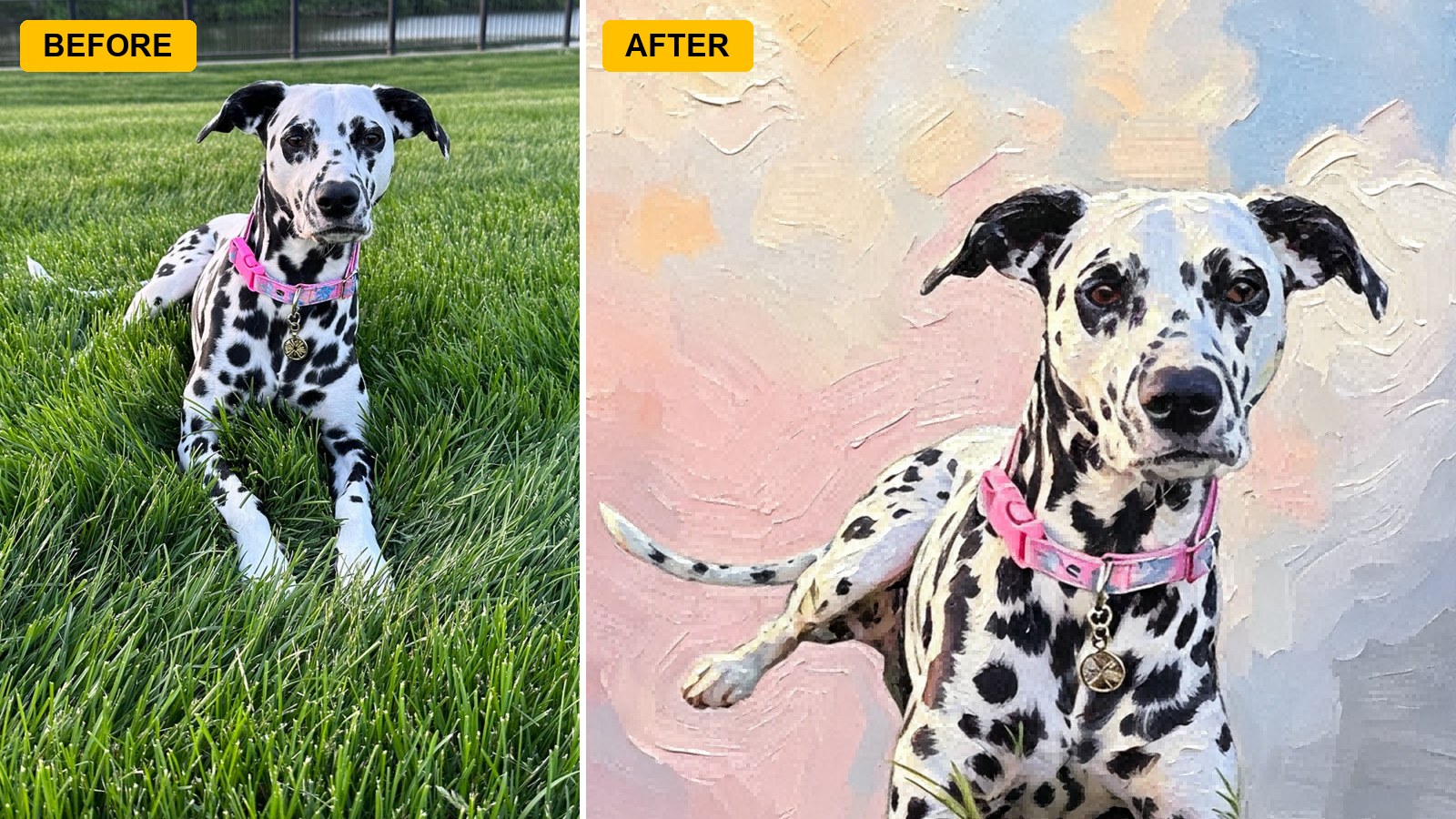
- Choose the pet as the central subject.
- Use one or two real preference clues rather than guessing at every design detail.
- Keep the visual direction readable when the recipient’s tastes are uncertain.
- Separate artwork choices from current product options and facts.
For artwork-stage examples that can help you frame a visual question, see the Customer Preview Gallery. The gallery is a visual reference; it is not a substitute for current product information.
Choosing the next step
Once the photo and visual direction make sense, visit the live custom pet portrait collection. Use current collection and product pages for options and facts. This article only helps with the recipient-preference side of a gift decision.
Frequently asked questions
What if I do not know the recipient’s home style?
Use the pet as the anchor and choose a clear, restrained direction instead of guessing at a highly specific decorative look.
Can I assume a couple will be shown in a wedding gift portrait?
No. Keep the subject pet-focused unless a current product explicitly states otherwise.
Does a preview image prove the final product’s details?
No. It is artwork-stage visual evidence. Use live product information for physical facts and options.
Keep the gift decision focused
The strongest choice is usually the one the recipient can recognize immediately as their pet. A gift does not become more thoughtful by adding unsupported claims, copied trend language, or assumptions about a home you have not seen. Use the available clues honestly, and keep current product questions for the live collection and product pages. If you are choosing between two directions, favor the one that preserves the pet’s visible expression rather than the one that merely sounds more decorative.
Final takeaway
A thoughtful gift style begins with a recognizable pet and a few dependable preference clues. Keep the decision modest when information is limited, use the home-style guide for its own Owner question, and check the live collection for current product information.


