

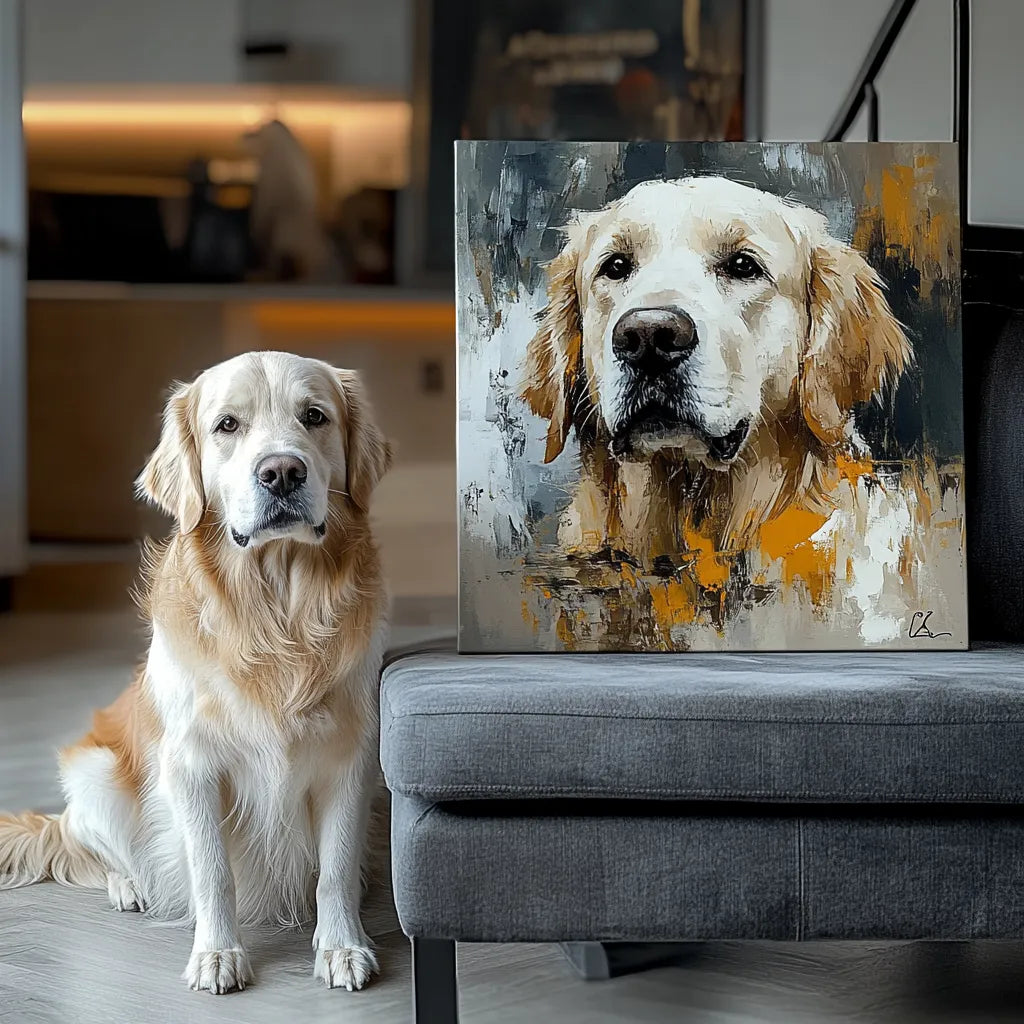
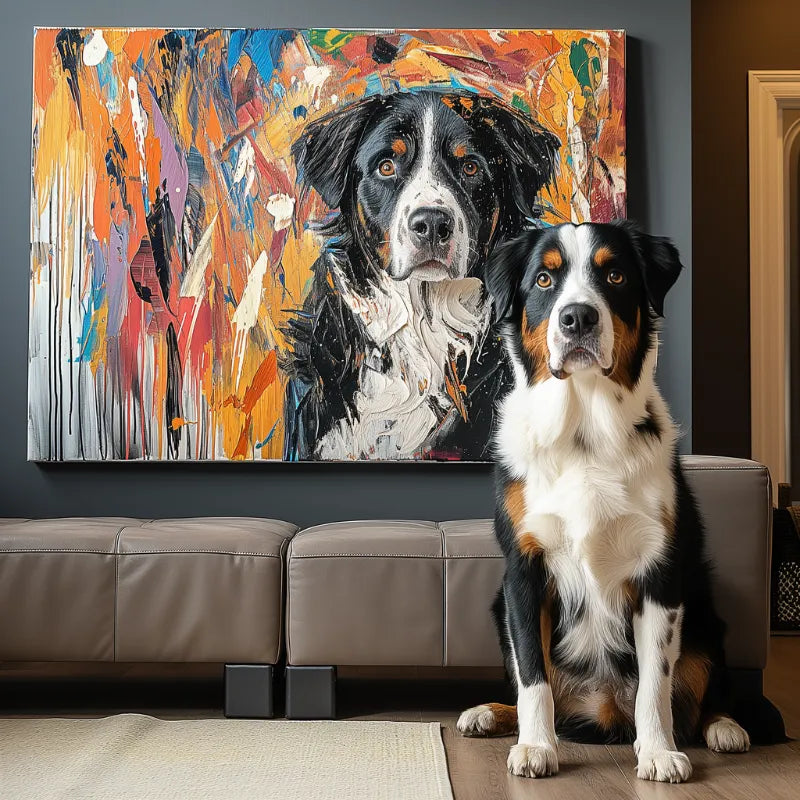

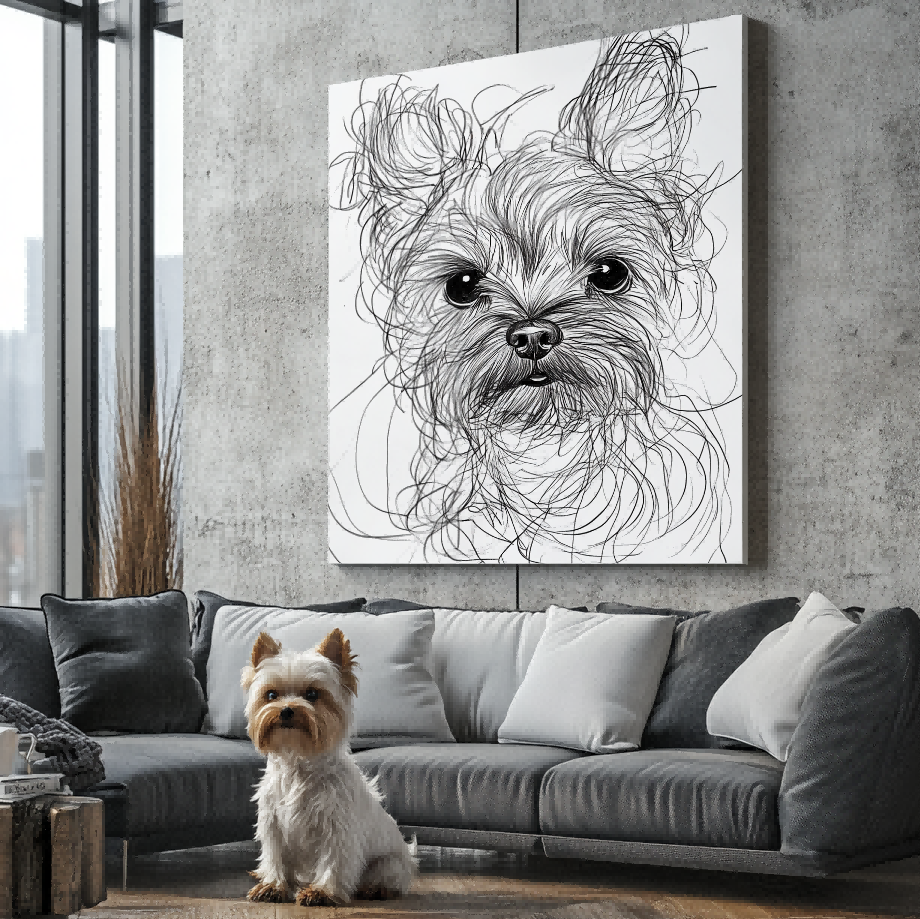

Quick answer: A reference photo documents the actual pet’s appearance, pose, markings, or expression. An inspiration photo communicates a style, mood, crop, or background idea. Mixing those roles without labels can create conflicting instructions, so buyers should identify the main identity source explicitly.
The One vs Multiple References owner covers the number of pet photos. This page defines the role of each file, including non-identity inspiration. The goal is to make one decision easier without turning a narrow question into another general pet portrait guide.
Start with the evidence you actually have: the original files, the pet’s recognizable features, the intended display, and the options shown on the live product page. Attractive examples help explain a choice, but they cannot verify a material, editing capability, revision allowance, delivery time, or accessory that is not stated elsewhere.
Name the identity source
The main reference should show the actual pet clearly. Label the filename and the features it controls.
Do not let a mood image silently replace identity evidence. This is a decision check, not a promise that Palette Tales or another provider can perform an unlisted edit, combine files, or guarantee a particular result. Confirm the currently published product and support information before ordering.
Define what inspiration means
An inspiration image may show color, framing, atmosphere, or style. State the single aspect you want the provider to notice.
Do not assume another artist’s exact work can or should be copied. This is a decision check, not a promise that Palette Tales or another provider can perform an unlisted edit, combine files, or guarantee a particular result. Confirm the currently published product and support information before ordering.
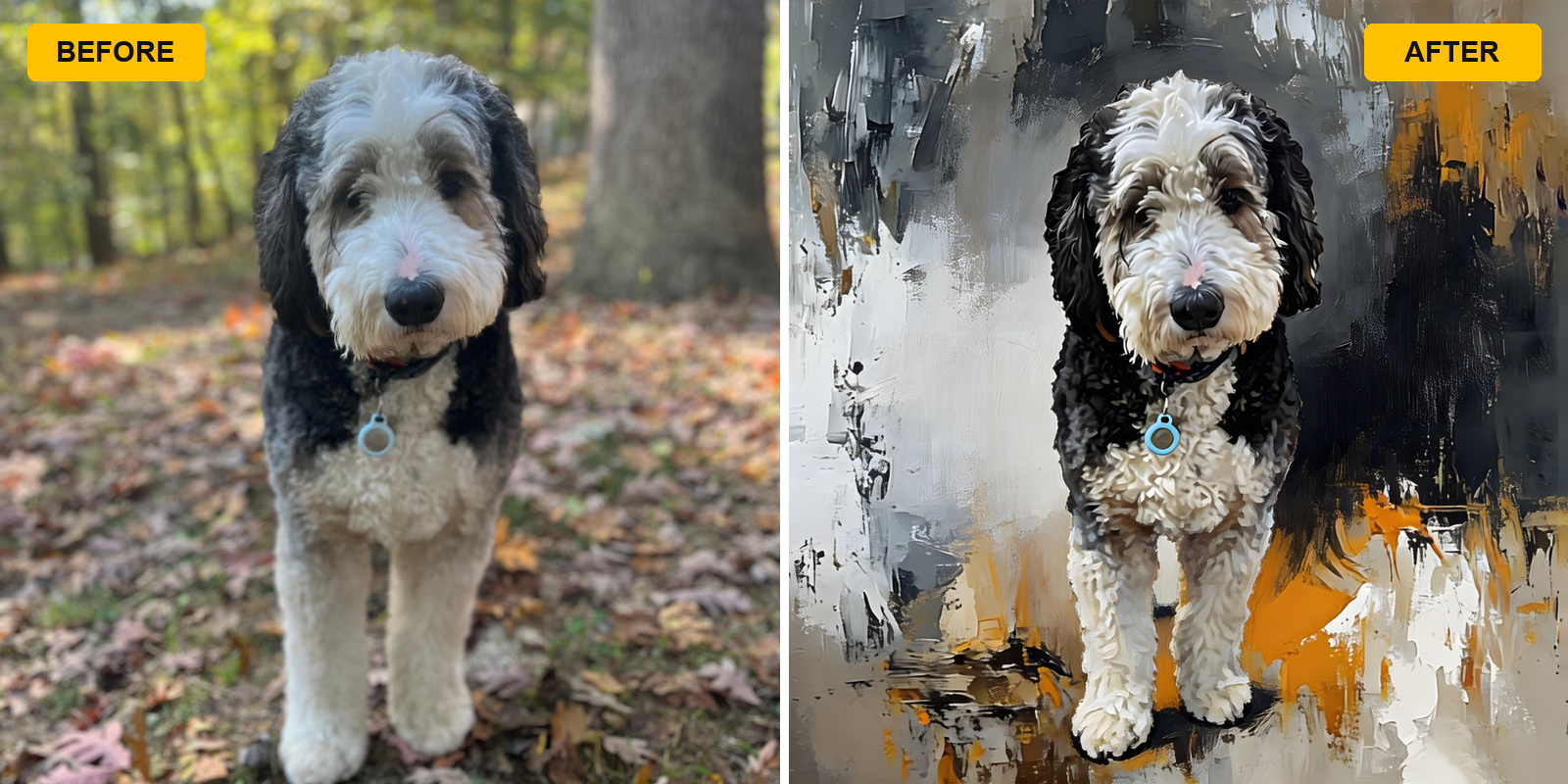
Avoid contradictory poses
A reference looking left and an inspiration looking right can create ambiguity. Choose which file controls composition.
Confirm whether the current service accepts composition requests. This is a decision check, not a promise that Palette Tales or another provider can perform an unlisted edit, combine files, or guarantee a particular result. Confirm the currently published product and support information before ordering.
Respect rights and provenance
A professional or third-party photograph may require permission. Use files you are authorized to submit.
Do not treat online availability as usage permission. This is a decision check, not a promise that Palette Tales or another provider can perform an unlisted edit, combine files, or guarantee a particular result. Confirm the currently published product and support information before ordering.
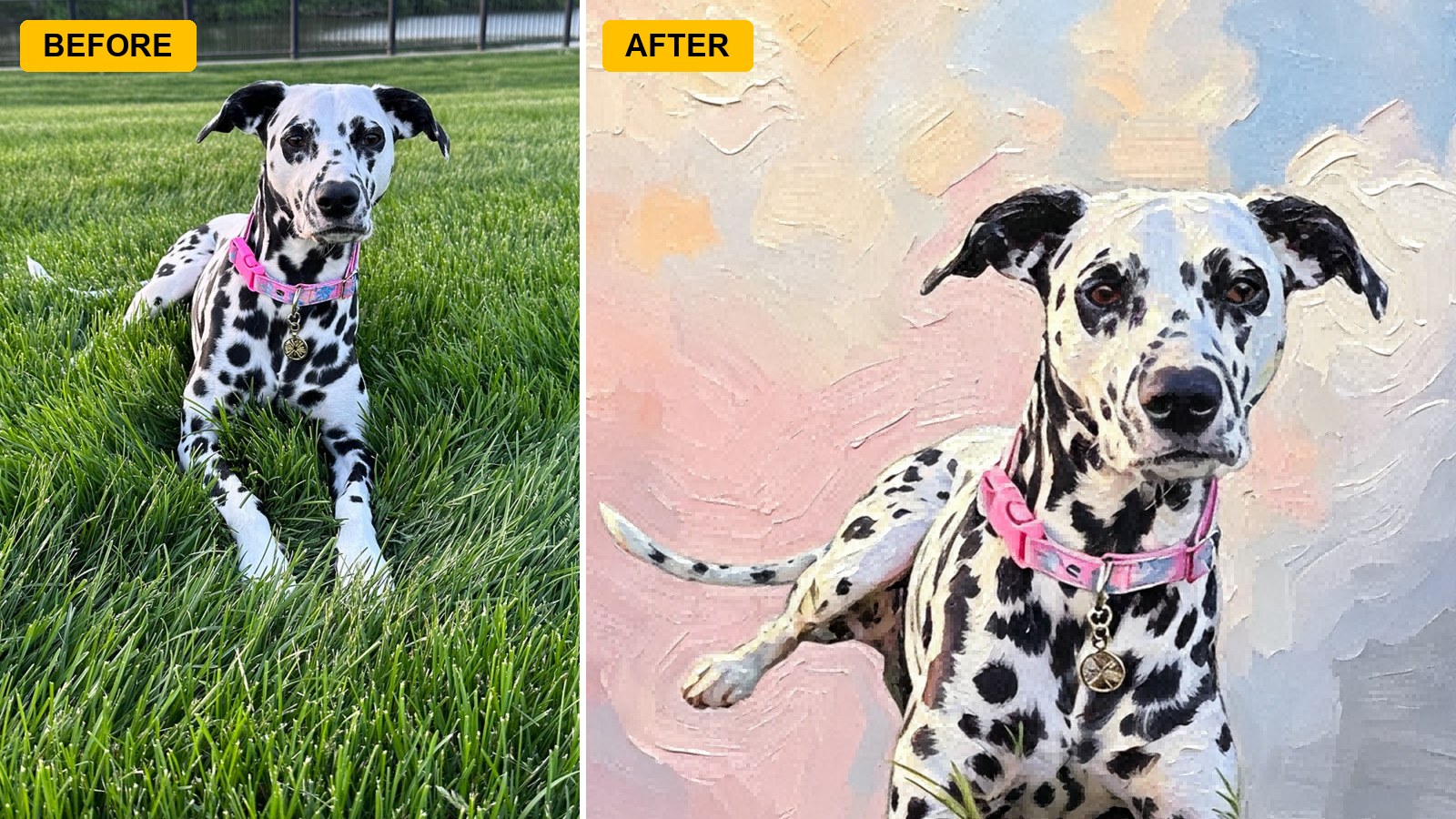
Review the proof against both roles
Check identity against the pet photo and mood against the approved direction. Keep the original labels available during review.
Follow current revision rules rather than assuming changes are unlimited. This is a decision check, not a promise that Palette Tales or another provider can perform an unlisted edit, combine files, or guarantee a particular result. Confirm the currently published product and support information before ordering.
Compare two candidates without guessing
Place candidate A and candidate B beside each other at the same on-screen size. First, cover the background and compare only the pet’s eyes, muzzle, ears, markings, and familiar outline. Next, look at the empty space around the subject and decide whether the intended crop has enough room. Finally, view both files at roughly the size the finished face will be seen, because extreme zoom can reward pixels that do not improve recognition. Record one strength and one limitation for each candidate. This makes the choice traceable and keeps a favorite emotional moment from being rejected for a minor issue—or selected when a hidden detail is essential to the requested composition.
A five-minute decision method
- Write the single outcome you want the portrait to preserve.
- Choose one main photo or visual direction and label any supporting evidence.
- Check identity, composition, and technical clarity as separate questions.
- Compare the choice at normal viewing size instead of judging only at extreme zoom.
- Verify current product facts and ask before relying on an unlisted capability.
If the decision exposes a broader problem, use the related guide 1, related guide 2, related guide 3. Those pages retain ownership of general photo quality, crop, likeness, style, preview, or display questions; this page should not replace them.
Questions to ask before ordering
Can written notes replace a missing visual detail?
No. Notes can point to a visible feature or label a file, but they cannot recreate information the image never captured. A clearer supporting photo is stronger evidence.
Does an example prove the same option is included now?
No. Examples explain visual reasoning. Current size, format, personalization, accessories, timing, and process must be verified on the live commercial destination.
Should a low-resolution screenshot be the main source?
Use the highest-quality authorized original available. Screenshots and social copies may be useful for context, but compression can remove detail that matters to recognition.
Next step
Make the narrow decision first, then review the broader photo, style, size, and display owners linked above. When you are ready to inspect currently available formats, explore custom pet portraits and verify the live facts before ordering.


