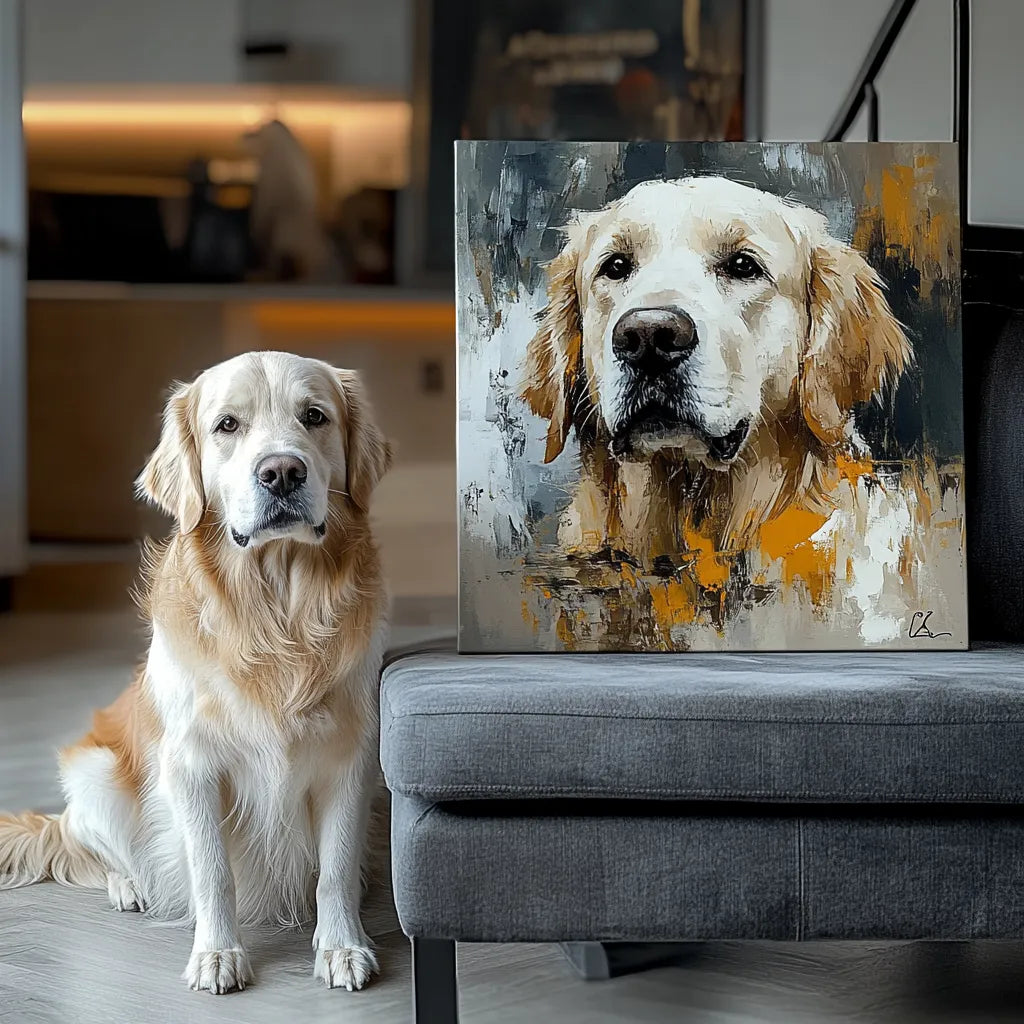
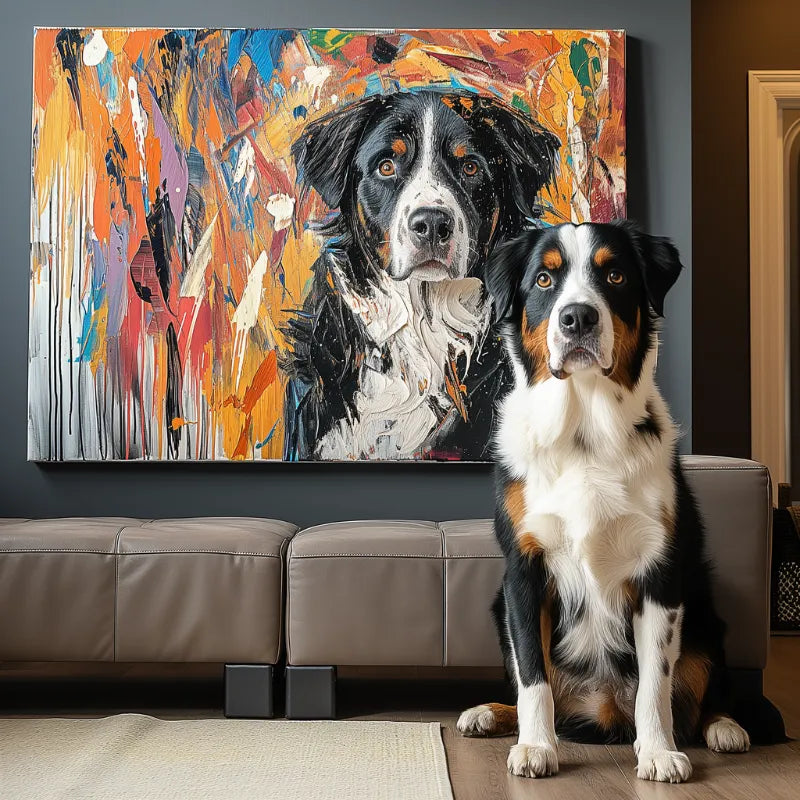
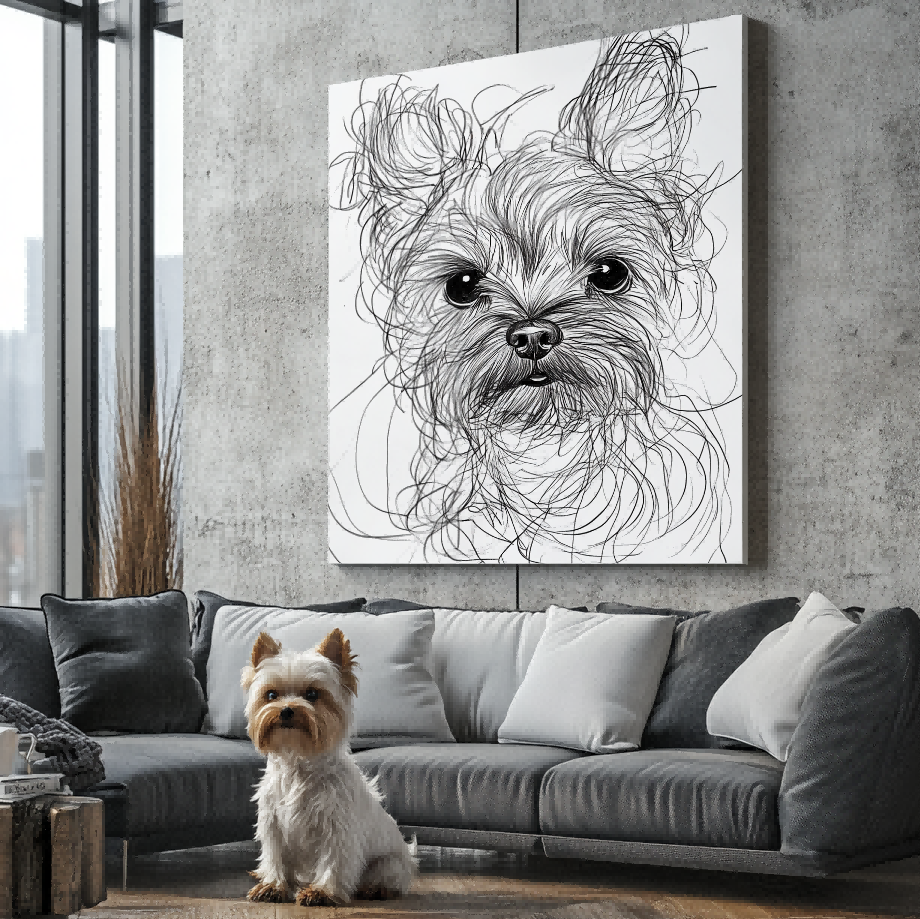
To care for canvas art, keep it away from direct sunlight, excess moisture, heat, and rapid changes in temperature or humidity. Remove loose dust gently with a clean, dry, soft brush or lint-free cloth. Do not spray cleaner or water directly on the surface, and ask a qualified conservator for help with stains, tears, flaking, or structural damage.
The safest care routine is simple: choose a stable display location, handle the piece carefully, and avoid aggressive cleaning. The exact treatment can vary with the inks, coatings, paint layers, and construction of the artwork, so a method that is safe for one canvas may not suit another.
Choose a stable place to display canvas art
Start with the wall. Avoid positions where strong sunlight falls on the artwork for long periods. Light, heat, and humidity can affect color and materials over time. A spot beside a steamy bathroom, directly above a heat source, or against a damp wall is not a good choice.
For a custom portrait, display also includes proportion and viewing distance. The custom pet portrait size guide can help you think through wall space before placing the artwork.
Dust gently and avoid wet cleaning
Loose surface dust is usually best addressed with a clean, dry, soft brush or a lint-free cloth used with very light pressure. Support the artwork while you work so it does not swing against the wall. Never scrub the image surface.
Do not apply household spray cleaners, glass cleaner, solvents, or stain removers. Do not soak the canvas or use a wet cloth as a default cleaning method. Moisture can move dirt, affect coatings or inks, and reach the canvas or stretcher structure.

Handle the canvas by its frame or supported edges
Wash and dry your hands before moving artwork. Hold a framed or stretched canvas with both hands and support its weight. Avoid pressing the front or back surface, because pressure can leave a dent or transfer force to the image area.
If you need to set the piece down, use a clean, padded, stable surface. Keep sharp objects, food, drinks, and adhesive tape away from the canvas.
Protect the artwork when moving or storing it
For a short move, cover the artwork with a clean protective layer that will not stick to the surface, then place it in a rigid outer container. Do not let packing material press directly into a textured or delicate image area. Store the piece upright in a dry, stable location rather than flat under heavy objects.
If you are still deciding how a portrait should be presented, the guide to framing choices for a custom pet portrait explains the display decision before ordering.
Know when not to fix damage yourself
A tear, puncture, loose canvas, lifting surface, persistent stain, or mold-like growth calls for professional assessment. Home remedies can make a small problem harder to reverse. Photograph the condition, avoid further handling, and contact a qualified art conservator or restoration professional.
If the damage occurred during delivery or is related to a recent order, contact the seller with clear photographs before attempting a repair.
Canvas print care and painted-surface care are not identical
“Canvas art” can describe printed canvas, hand-painted work, mixed-media pieces, or artwork with a raised finish. These surfaces may respond differently to friction, moisture, and cleaners. Follow any care instructions supplied with the specific piece.
Palette Tales also offers an optional Texture Art finish. For an explanation of that product choice—not a universal cleaning method—see the comparison of Texture Art and regular portrait prints.
A practical canvas-care checklist
- Display away from prolonged direct sunlight, damp walls, and strong heat.
- Keep room conditions reasonably stable.
- Remove loose dust gently with a dry, soft tool.
- Do not spray liquid directly onto the artwork.
- Support the piece with both hands when moving it.
- Keep pressure and sharp objects away from the front and back.
- Use a qualified professional for damage or uncertain surface problems.
Frequently asked questions about caring for canvas art
Can I clean canvas art with water?
Do not use water as a default cleaning method. Start with gentle dry dust removal. If a mark remains, check the maker’s care guidance or consult a qualified professional before applying moisture.
How often should I dust canvas art?
There is no fixed schedule for every home. Inspect the artwork periodically and remove loose dust gently when needed. A cleaner display environment may require less frequent attention.
Can canvas art hang in a bathroom?
A bathroom can expose artwork to repeated humidity changes and condensation, so a more stable room is usually safer. Product-specific instructions should take priority.
What should I do if a canvas becomes loose or damaged?
Avoid pulling, wetting, or re-stretching it without the right experience. Record the condition and ask a qualified conservator or restoration professional to assess it.
Good canvas care is mostly preventive. Give the artwork a stable place, keep cleaning gentle, and stop before a small issue becomes a difficult repair. To see how customer artwork can look before it becomes a finished portrait product, visit the Palette Tales Customer Preview Gallery.