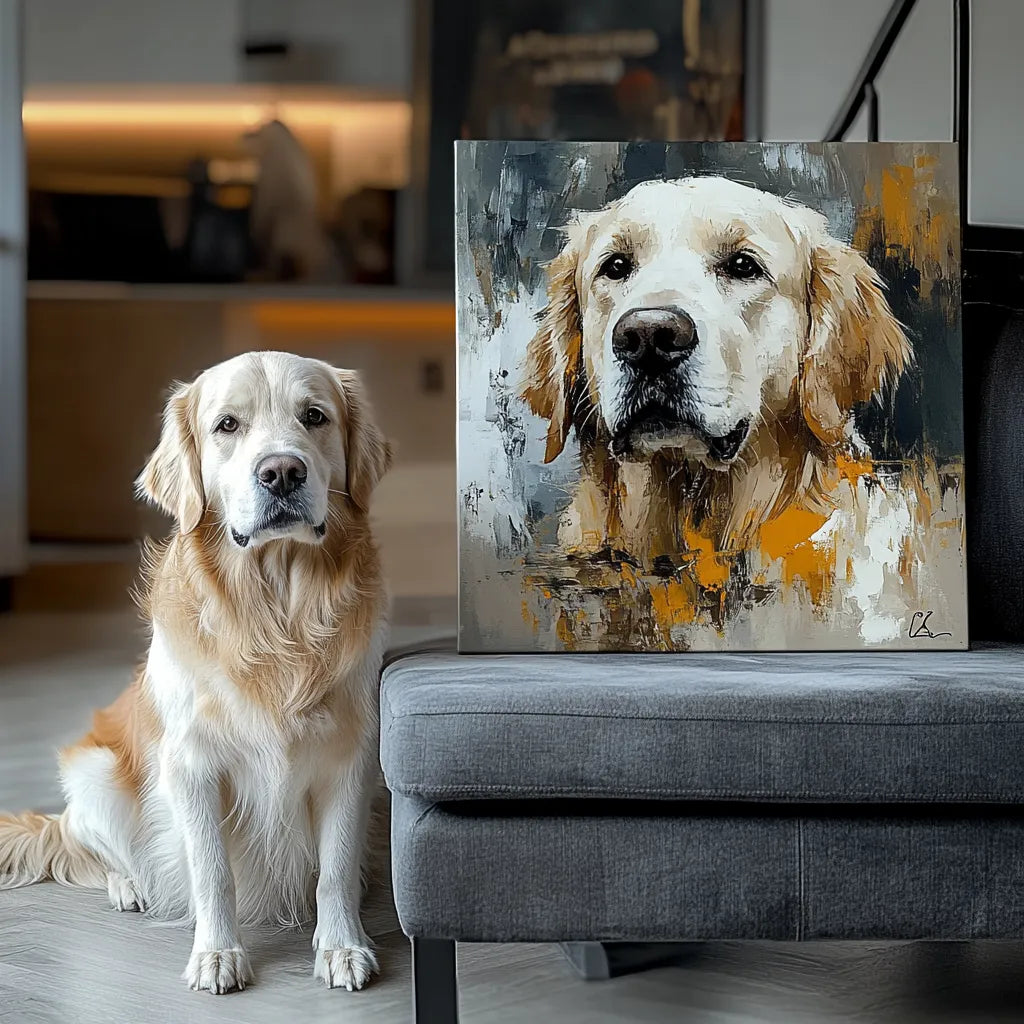
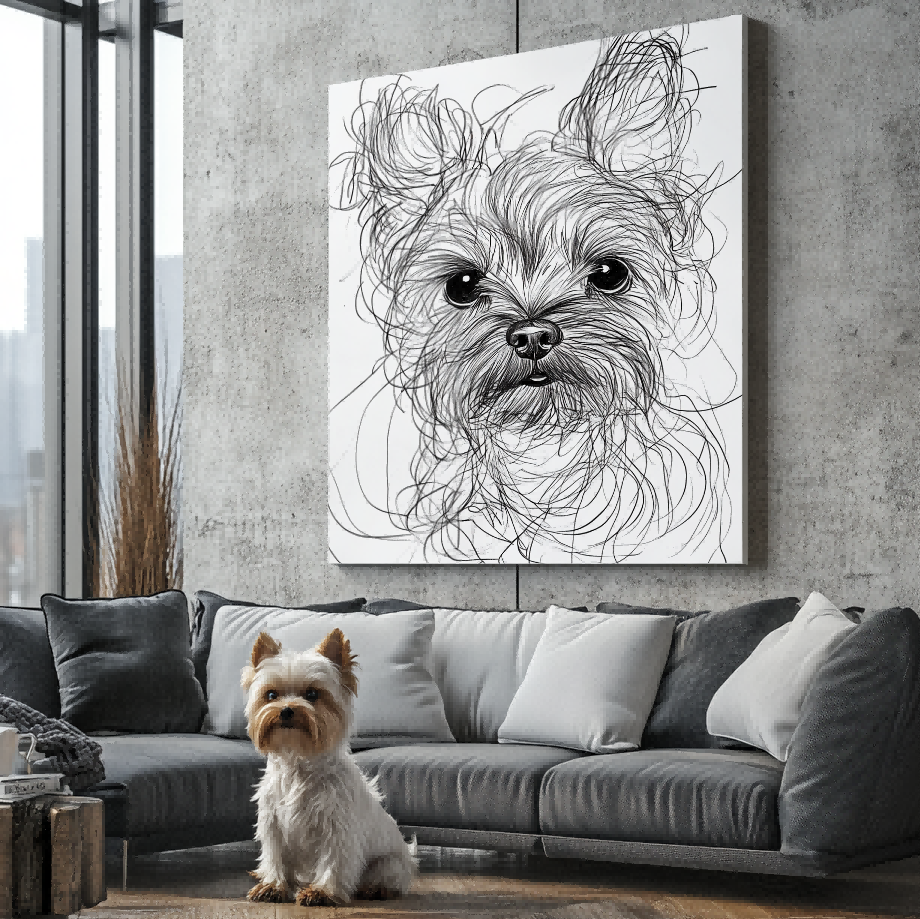
A pet portrait can be a Valentine’s Day gift when the idea is about the person receiving it and the pet they already love, not about adding a generic seasonal layer. The best choice may be a familiar photo, a shared memory, or simply a decision the recipient can participate in. The article can help with the personal question. Current live pages are still the place to verify whether any particular option, schedule, or customization exists.
This is an educational decision guide. It does not promise a particular service, option, process, material, delivery date, edit, or result. Confirm live details directly before relying on a general article.
Start with the real question behind the search
Before comparing any live option, name what matters most: the pet, the recipient or setting, and the detail that should remain recognizable. That makes the next step more specific without turning a personal decision into a generic list of claims. surprise gift guide addresses an adjacent question; it is useful because it does not repeat this page’s intent.
Use the photo as evidence, not a promise
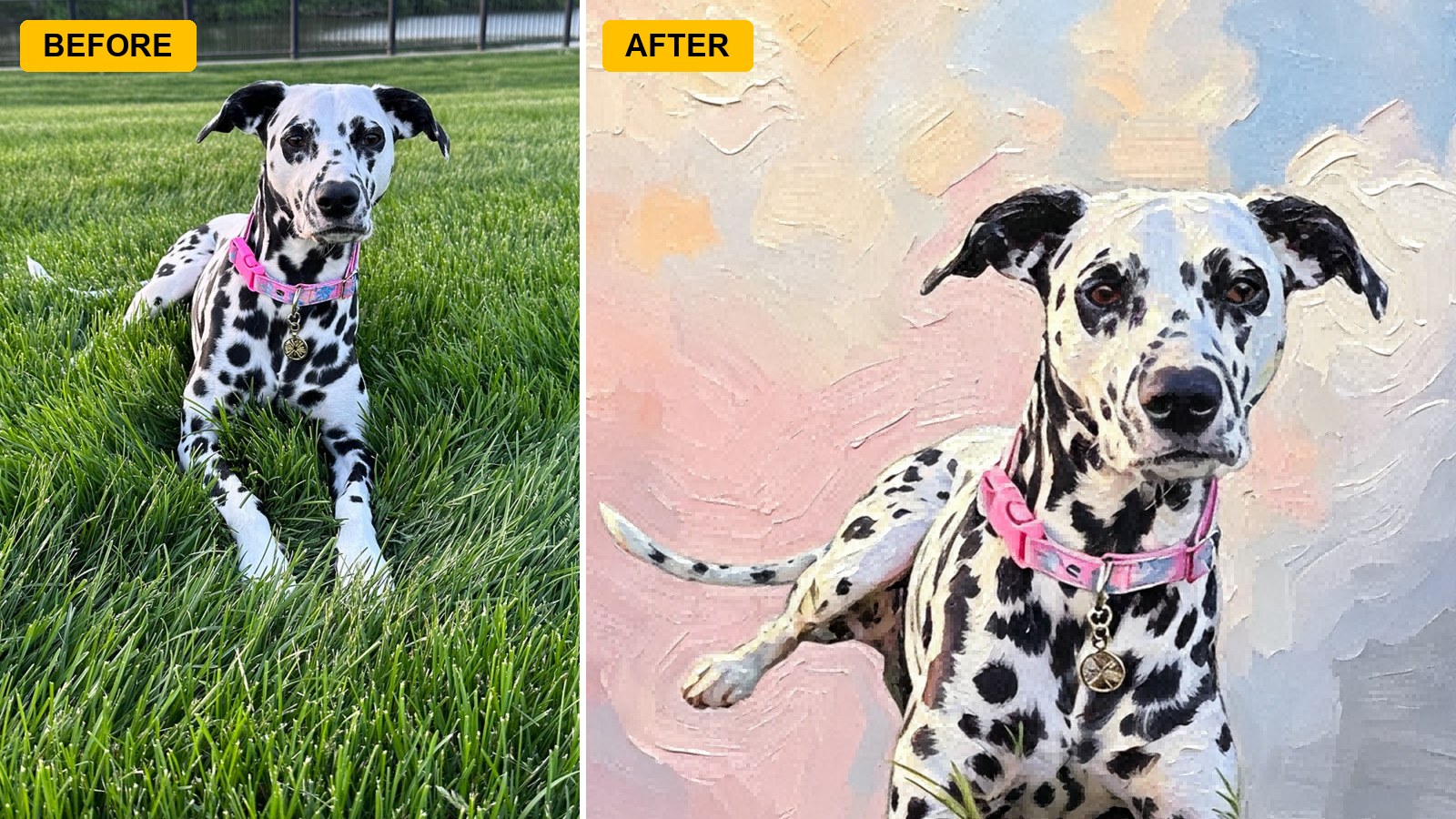
A helpful decision is grounded in what the image and context actually show. Look for visible markings, expression, posture, or a familiar moment. If something is uncertain, write it down as a question rather than filling the gap with an unsupported assumption. birthday gift guide can help with that separate decision.
Work through the specific context
The most useful Valentine’s question is often not whether the gift looks romantic, but whether it recognizes a real part of the recipient’s life. A pet may represent a shared home, a daily routine, an inside joke, or a memory the couple returns to often. A familiar photo can carry that meaning without a themed treatment. If the person receiving the gift has strong visual preferences, a small conversation can prevent a thoughtful idea from becoming an unwanted surprise. If the gift is intended to be private, focus on the purpose of the keepsake and leave all specific product, timing, and customization questions to the current information available at the time of decision. Before comparing live choices, make a small distinction between what is meaningful, what is visible in the reference, and what still requires confirmation. That distinction makes it easier to keep an article educational and keep the final live decision grounded in current information rather than an assumption.
The basic definition also helps keep the language clear: read the pet portrait definition guide before treating a search phrase as proof of an available option.
Make a short decision record
Write three notes before you move forward: why this idea matters, which visible detail should stay recognizable, and which live question still needs an answer. This keeps a personal choice from becoming a vague search for the best option. It can also make a conversation with a recipient easier when the gift should be shared rather than guessed.
Lead with the relationship, not a novelty theme
A meaningful image or memory can carry the gift without assuming the recipient wants a particular holiday treatment.
Decide how much surprise is welcome
If the photo or display direction matters deeply to the recipient, a small conversation may be more thoughtful than guessing.
Keep current details current
Do not infer availability, timing, price, a style, or a promise from a general guide. Check the live page before making an order decision.
Keep education separate from current availability
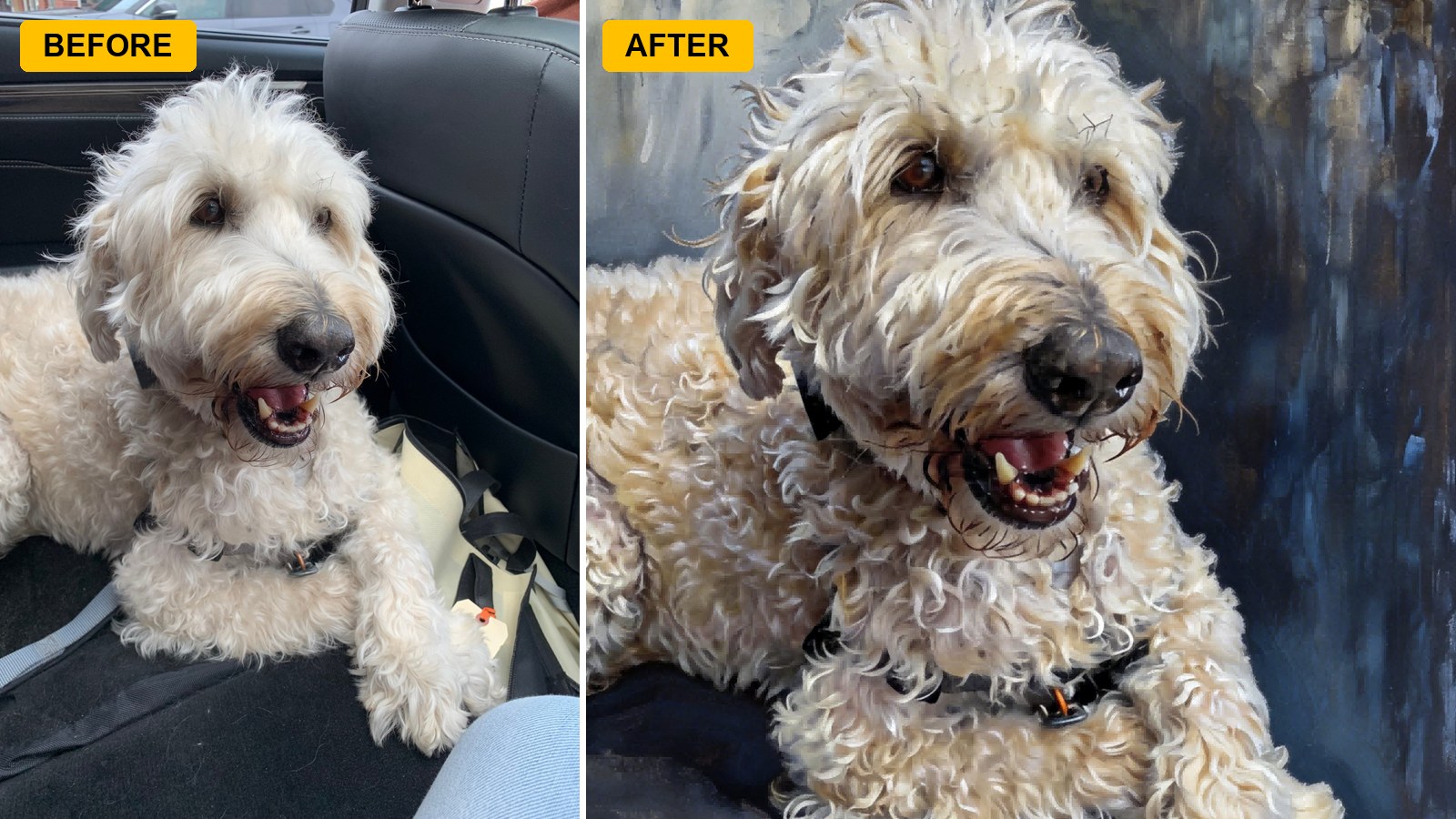
Live collections and product pages are where current choices, availability, and order-specific information belong. A decision guide should help you ask better questions, not replace information that needs to be checked. For additional visual context, visit the Customer Preview Gallery.
When you are ready to look at current options, use the current portrait collection. Check the live page rather than relying on an old article, a saved screenshot, or a broad search phrase. If the page does not answer a question that matters to you, pause and ask rather than treating the absence of information as a promise.
Frequently asked questions
Does this article confirm a specific request or feature is available?
No. It explains how to approach a buying decision. Confirm current details directly on a live page.
Do I need a perfect photo?
No. A useful photo is one that makes the pet recognizable enough for the decision. A meaningful but unclear image can still be valuable, but it is better to recognize the uncertainty before choosing.
Can I pause the decision?
Yes. The goal of a guide is to make the next question clearer, not to create urgency.
Final takeaway
This choice is most useful when it begins with visible evidence and a clear purpose. After the question is answered, verify current options on the current portrait collection rather than treating this article as a product promise.