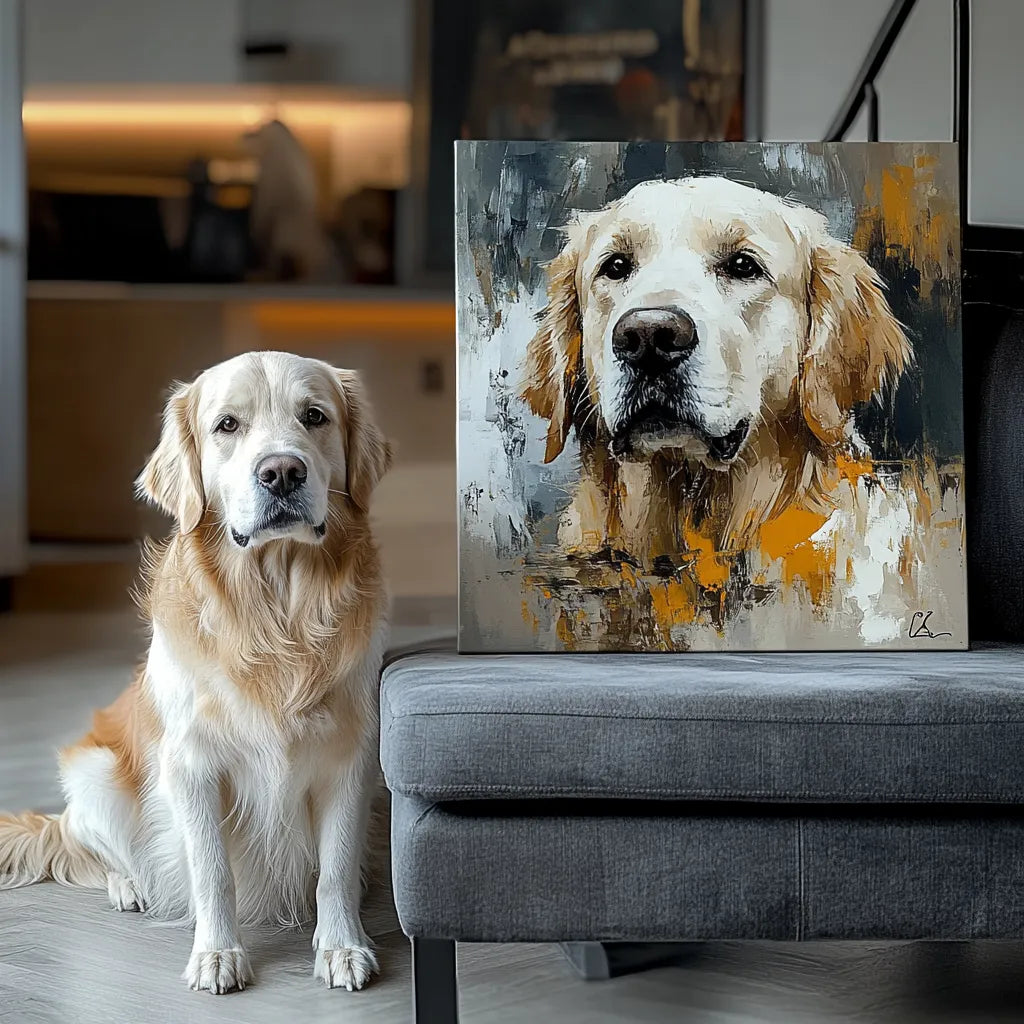
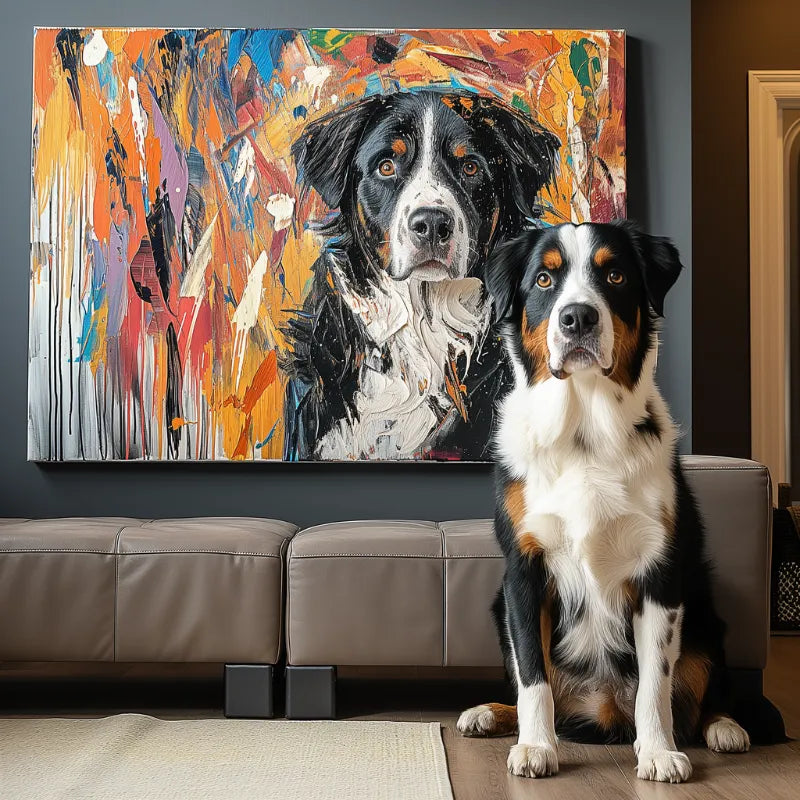
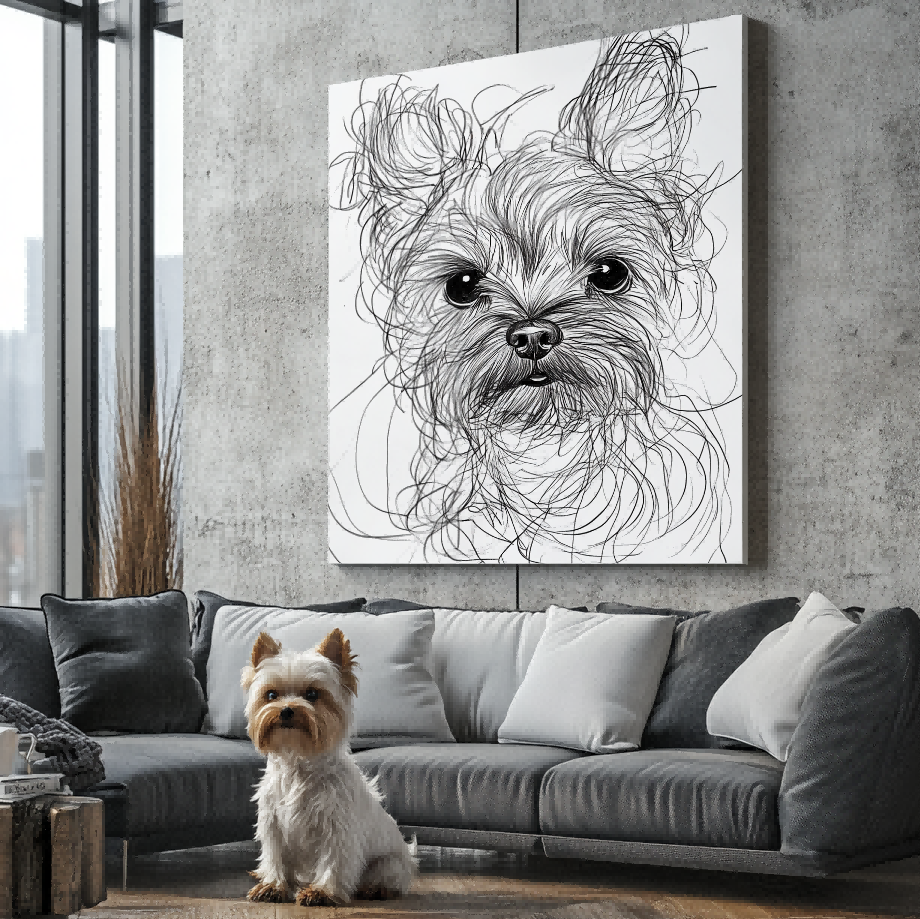
Pet portrait and pet caricature are sometimes used together in search, but they usually point to different creative expectations. A portrait commonly centers recognizability and details that make a pet feel like itself. A caricature commonly uses deliberate exaggeration or comic framing. These are broad terms, not promises about what a particular seller will provide. The useful first step is to decide which expectation you mean before relying on a live option.
This is an educational decision guide. It does not promise a particular service, option, process, material, delivery date, edit, or result. Confirm live details directly before relying on a general article.
Start with the real question behind the search
Before comparing any live option, name what matters most: the pet, the recipient or setting, and the detail that should remain recognizable. That makes the next step more specific without turning a personal decision into a generic list of claims. pet portrait definition addresses an adjacent question; it is useful because it does not repeat this page’s intent.
Use the photo as evidence, not a promise
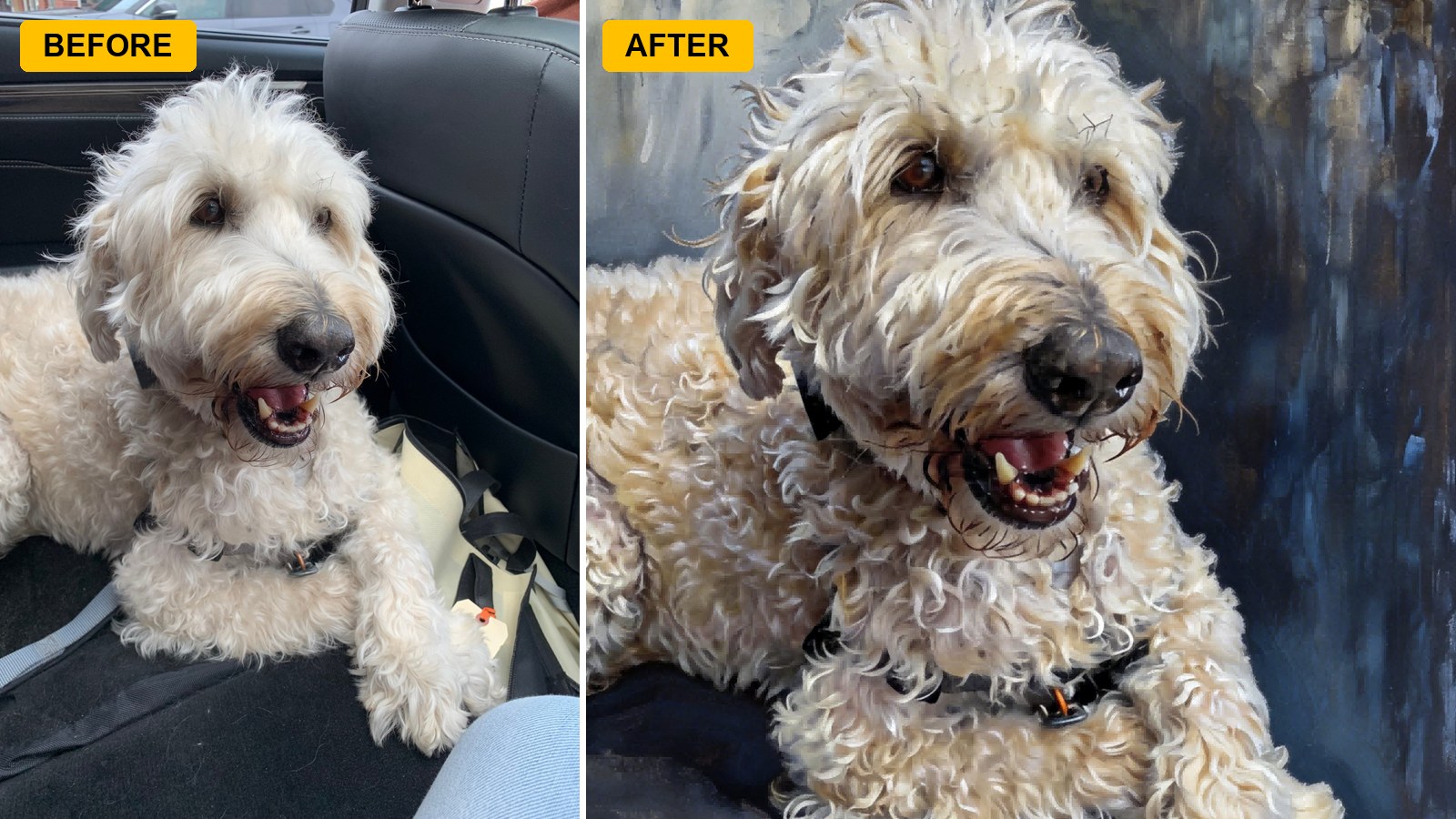
A helpful decision is grounded in what the image and context actually show. Look for visible markings, expression, posture, or a familiar moment. If something is uncertain, write it down as a question rather than filling the gap with an unsupported assumption. portrait versus photo print guide can help with that separate decision.
Work through the specific context
The distinction can be especially useful when you are choosing a gift. A recipient may love a playful, exaggerated image, or they may care most about seeing the pet’s real expression and markings reflected with care. Those are not competing levels of quality; they are different creative directions. It helps to name which direction the recipient usually enjoys in other art, photos, or home display choices. Avoid treating a keyword as if it guarantees a visual result. Instead, use the terms to clarify the question you need to ask. That protects the buyer from assuming a specific effect will be included merely because the search results use related words. Before comparing live choices, make a small distinction between what is meaningful, what is visible in the reference, and what still requires confirmation. That distinction makes it easier to keep an article educational and keep the final live decision grounded in current information rather than an assumption.
The basic definition also helps keep the language clear: read the pet portrait definition guide before treating a search phrase as proof of an available option.
Make a short decision record
Write three notes before you move forward: why this idea matters, which visible detail should stay recognizable, and which live question still needs an answer. This keeps a personal choice from becoming a vague search for the best option. It can also make a conversation with a recipient easier when the gift should be shared rather than guessed.
Decide how literal the likeness should feel
If recognizability is the priority, note the markings, expression, or posture a viewer should recognize. If playful exaggeration is the idea, do not assume a seller offers it until current information confirms it.
Separate search vocabulary from a live offering
A page can explain terms, but it cannot turn a broad category word into an available style, edit, or process. Verify the actual selection before ordering.
Use the photo as evidence, not as a guarantee
A reference photo can clarify the pet’s features. It does not by itself establish that a particular artistic treatment, background, or change is available.
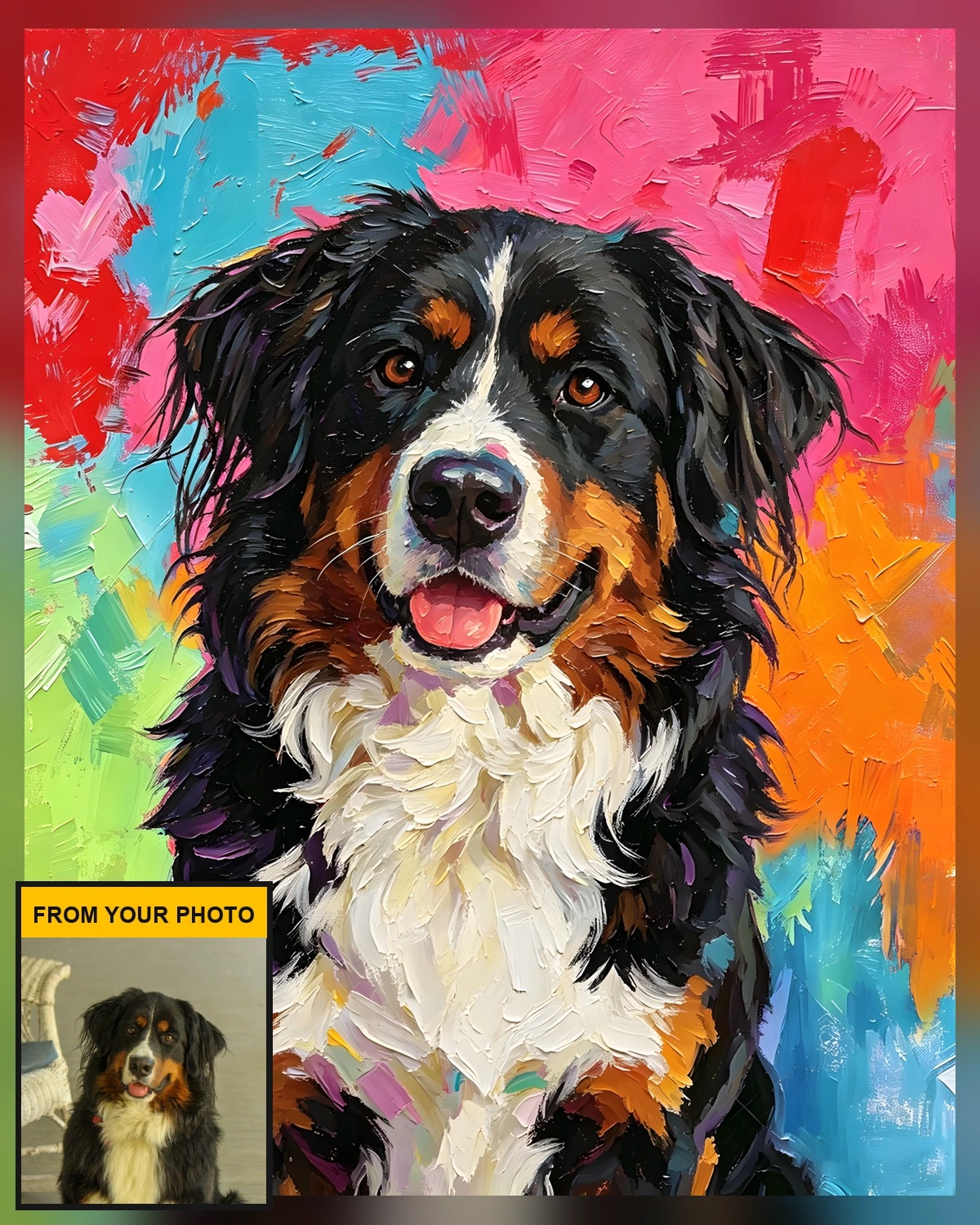
Keep education separate from current availability
Live collections and product pages are where current choices, availability, and order-specific information belong. A decision guide should help you ask better questions, not replace information that needs to be checked. For additional visual context, visit the Customer Preview Gallery.
When you are ready to look at current options, use the current portrait collection. Check the live page rather than relying on an old article, a saved screenshot, or a broad search phrase. If the page does not answer a question that matters to you, pause and ask rather than treating the absence of information as a promise.
Frequently asked questions
Does this article confirm a specific request or feature is available?
No. It explains how to approach a buying decision. Confirm current details directly on a live page.
Do I need a perfect photo?
No. A useful photo is one that makes the pet recognizable enough for the decision. A meaningful but unclear image can still be valuable, but it is better to recognize the uncertainty before choosing.
Can I pause the decision?
Yes. The goal of a guide is to make the next question clearer, not to create urgency.
Final takeaway
This choice is most useful when it begins with visible evidence and a clear purpose. After the question is answered, verify current options on the current portrait collection rather than treating this article as a product promise.